 TEL +86-13923172919
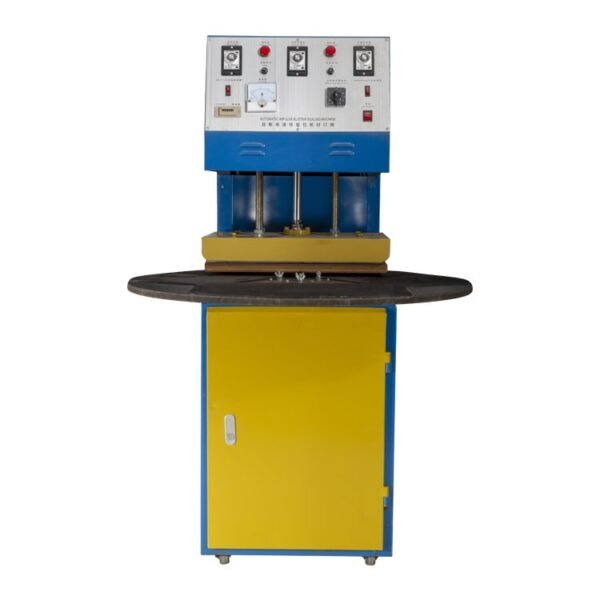
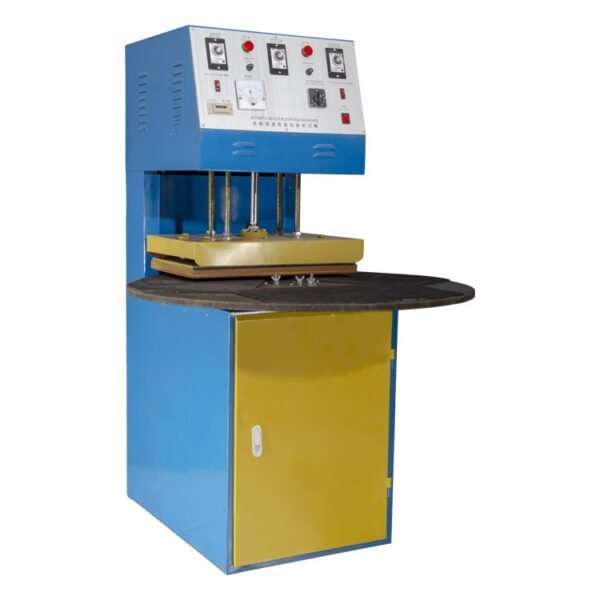
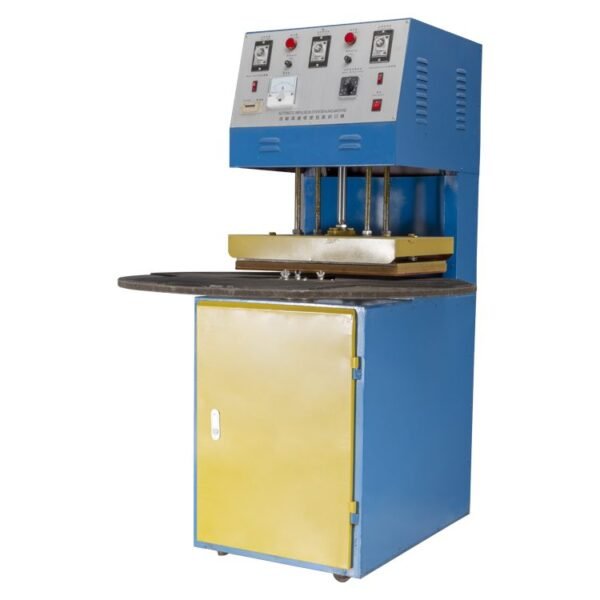
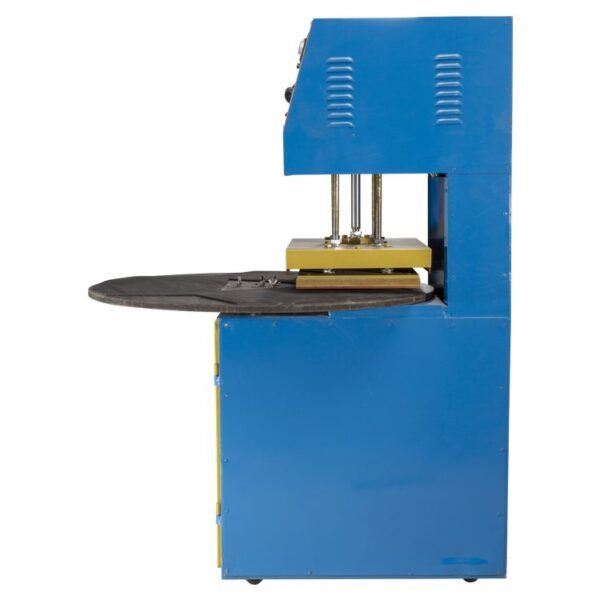
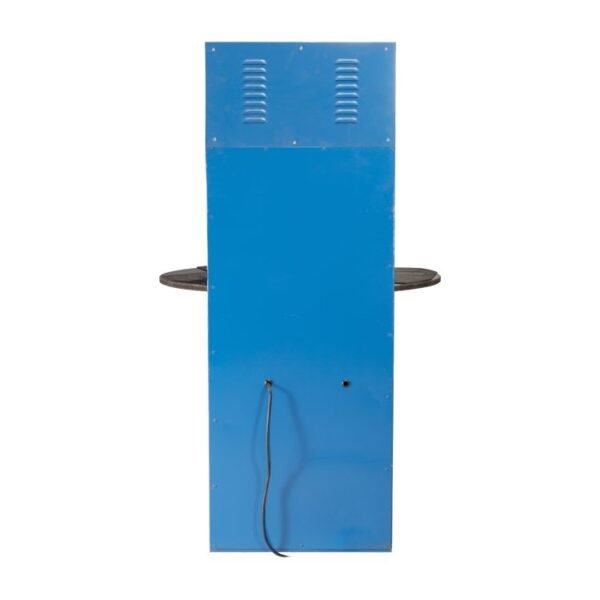
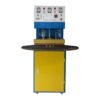
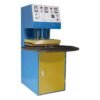
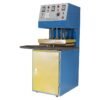
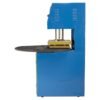
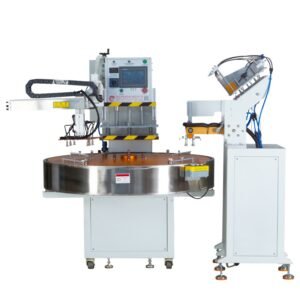
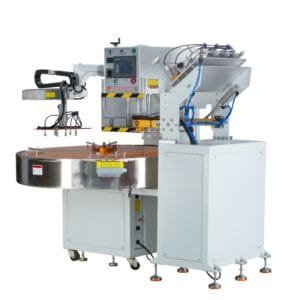
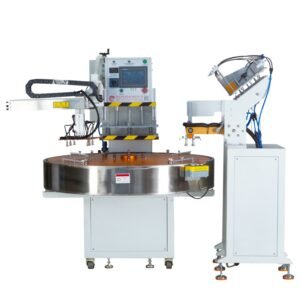
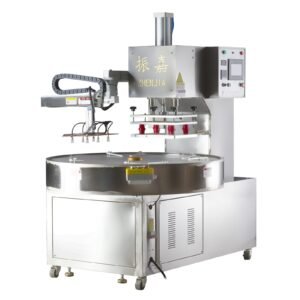
ZJ-50 3 kW Bottom-Heating Blister Sealing Machine
The ZJ-50 bottom-heating blister sealing machine is a 3 kW pneumatic sealer recorded for PVC, PET and PP blister cards. It heats from below and uses electronic temperature control, with a 220 V supply.
Sample Display
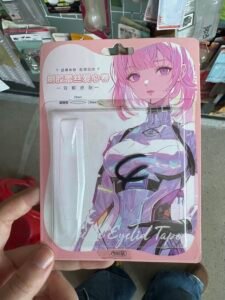
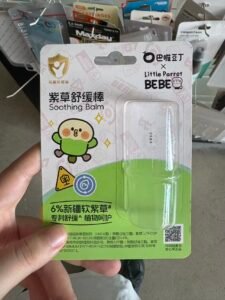
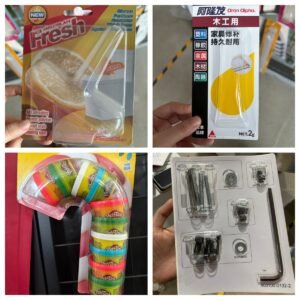
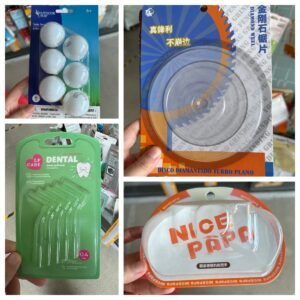
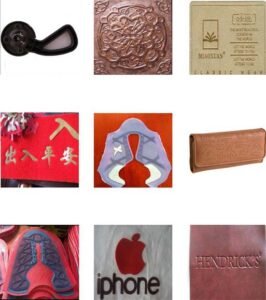
Zhenjia Machinery provides sample proofing service, and offers complete production process guidance and customized production solutions. If you need to check processed samples and product details, please contact us for physical samples or high-definition sample pictures to intuitively experience the processing accuracy and product effect of our machine.
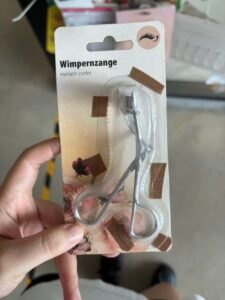

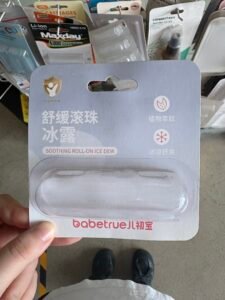
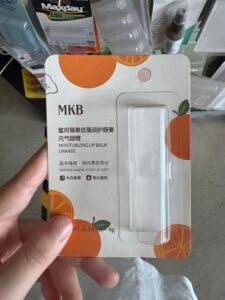
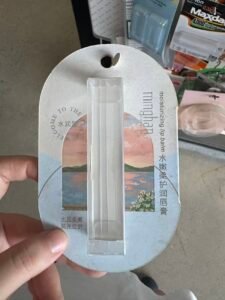
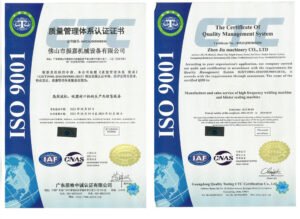
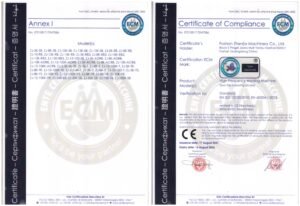
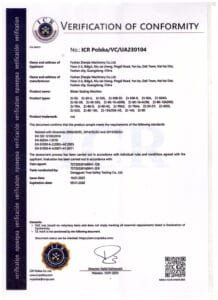
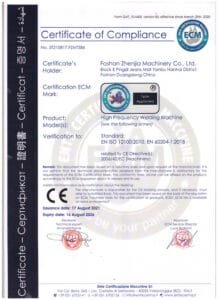
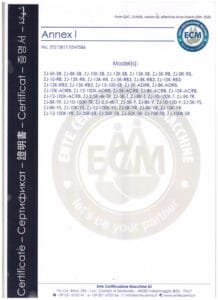
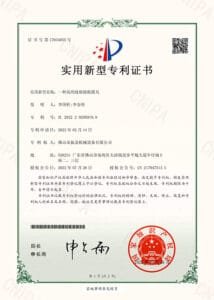
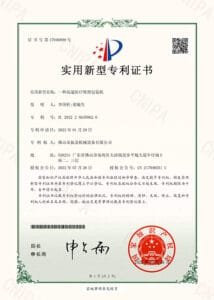
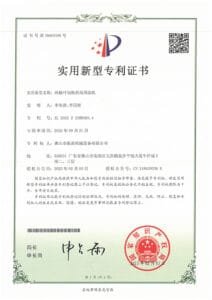
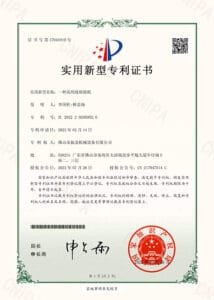
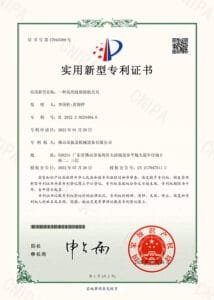
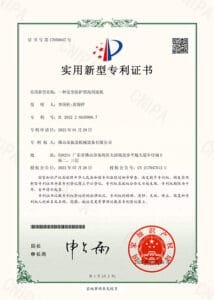
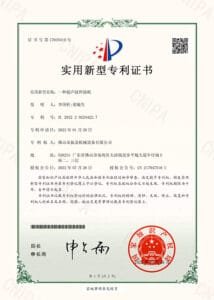
Our Certificate

Mold Supporting Service
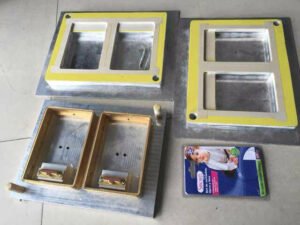
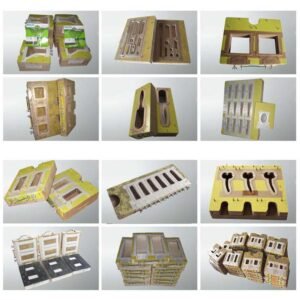
This machine can be equipped with various specifications of molds, suitable for processing products of different sizes and types. All molds are made of high-quality wear-resistant materials. We can provide customized molds according to customer product specifications, and offer professional mold maintenance guidance to extend mold service life and ensure continuous production.
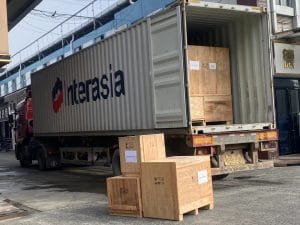
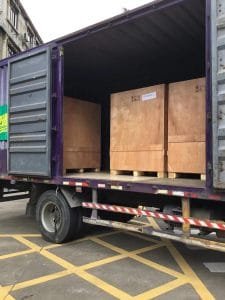
Packaging & Delivery
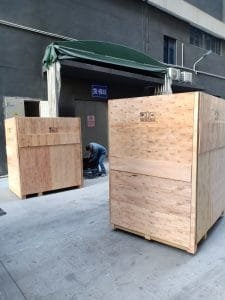
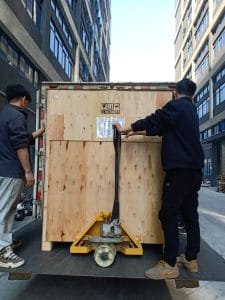
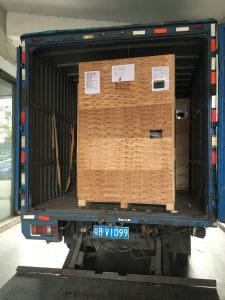
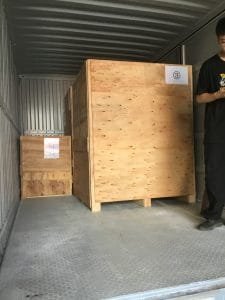
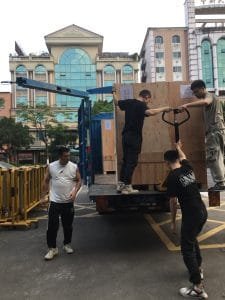
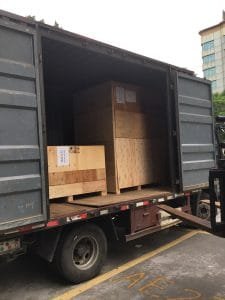
The ZJ-50 bottom-heating blister sealing machine is a 3 kW pneumatic sealer recorded for PVC, PET and PP blister cards. It heats from below and uses electronic temperature control, with a 220 V supply. For Southeast Asian buyers, the choice between bottom-heat and top-heat depends on how the card and blister are presented to the tooling. Material compatibility and output should be confirmed with a sample.
ZJ-50 Bottom-Heating Blister Sealing Machine: Specifications & Electrical Configuration
| Model | ZJ-50 |
|---|---|
| Configuration | Bottom-heating |
| Rated power | 3 kW |
| Drive | Pneumatic |
| Power supply | 220 V |
| Materials | PVC, PET, PP |
| Table / sealing area | Not specified; confirm with tooling drawing |
| Output | Not specified; confirm with sample run |
Material & Application Compatibility
The record lists PVC, PET and PP as applicable materials. PVC blister packaging and mixed-material cards should be tested for seal strength, card coating and heat sensitivity. A blister card sealing machine evaluation should use the actual shell, card and tooling.
Bottom-Heat or Top-Heat?
Bottom-heat and top-heat ZJ-50 models are separate 3 kW configurations. The heating direction changes how the card and blister sit in the tooling.
| Point | ZJ-50 bottom-heat | ZJ-50 top-heat |
|---|---|---|
| Heating direction | From below | From above |
| Rated power | 3 kW | 3 kW |
| Drive | Pneumatic | Pneumatic |
| Supply | 220 V | 220 V |
| Typical fit | Product presented from below; light operation | Large-area sealing with a pneumatic pressing plate |
How to choose:
- Choose bottom-heat when the product and card are loaded from below.
- Choose top-heat when a top pressing plate and large sealing area suit the card.
- Test both directions when the card construction is new.
Installation Notes for Malaysia, Indonesia and Vietnam
The recorded supply is 220 V. Confirm frequency, plug standard and site voltage before shipment.
- Voltage stability: confirm whether a stabilizer is required.
- Humidity and heat: plan ventilation and moisture control around the electrical cabinet.
- Grounding: verify the factory earth before commissioning.
- Air supply: pneumatic models require pressure and consumption to be confirmed.
- Certification: check SIRIM (Malaysia), SNI (Indonesia), QCVN/TCVN (Vietnam) or CE scope for this exact model; do not claim without a certificate.
Safety & Routine Maintenance
⚠️ CRITICAL SAFETY NOTICE: Before changing tooling, clearing a jam or opening any guard, isolate the main power, lock it out and bleed residual pneumatic or hydraulic pressure. Adjustments to the sealing head or electrical cabinet should be made by trained personnel; other operators should not open the cabinet. Confirm the lockout procedure and pressure values in the machine manual.
- At each shift start, verify the emergency stop and guard interlocks.
- Inspect pneumatic or hydraulic lines and fittings for leaks.
- Keep the sealing head and platen clean; remove film, paper and card debris.
- Follow the manufacturer schedule for lubrication, filter replacement and electrical inspection.
Configuration Check Before Quotation
A useful configuration check covers:
- Blister shell material, thickness and drawing;
- Paper card or medical paper material, coating and print finish;
- Required card size and tooling envelope;
- Target output range and shift pattern;
- Site voltage, frequency and air supply;
- Destination country and required certification.
Selection FAQ
What is the difference between bottom-heat and top-heat?
They are separate 3 kW configurations. Bottom-heat applies heat from below; top-heat uses a pneumatic top pressing plate for large-area sealing.
Which materials are recorded?
PVC, PET and PP. Coated cards and mixed materials should be tested.
What is the output?
Output depends on card size, material and tooling; validate with a sample run.
What voltage?
220 V is recorded; confirm frequency and site voltage.