 TEL +86-13923172919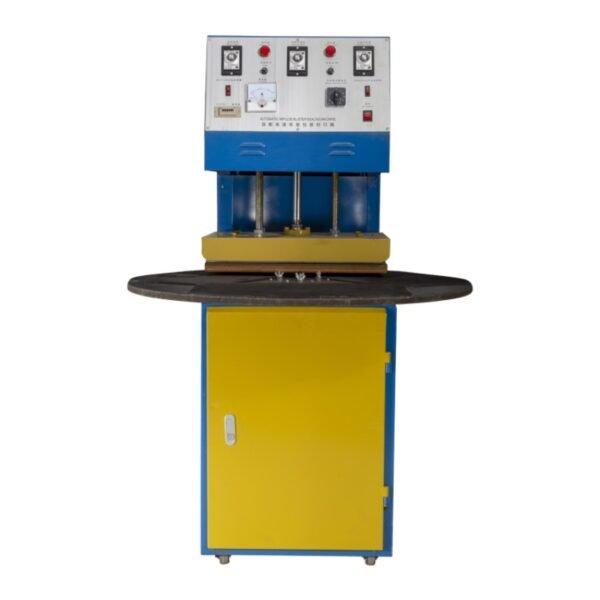
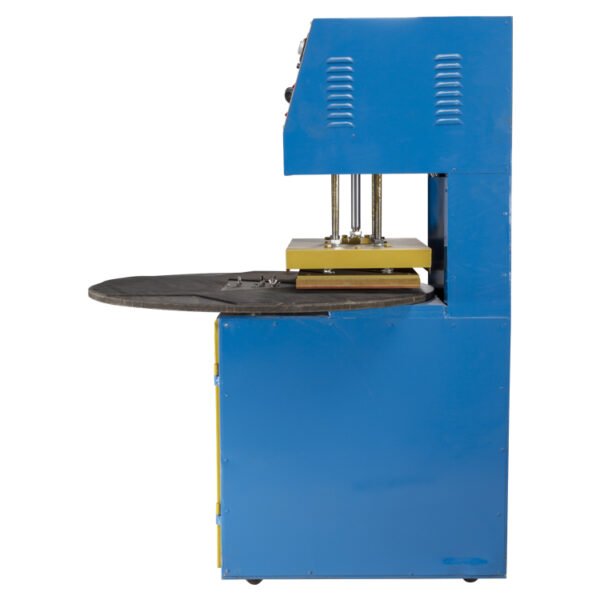
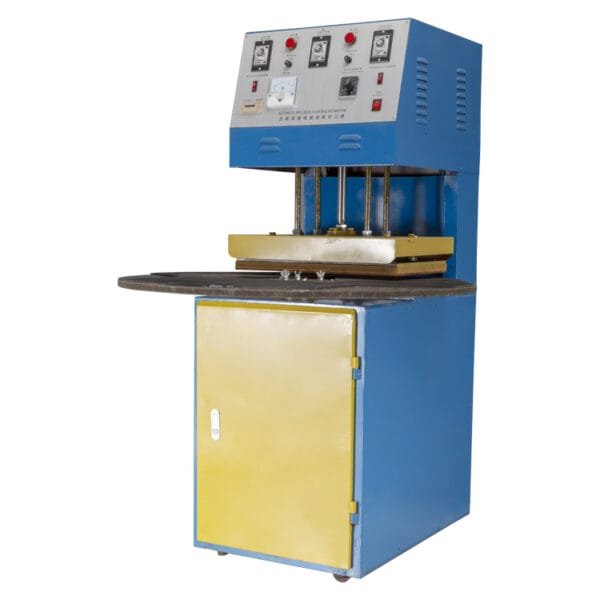
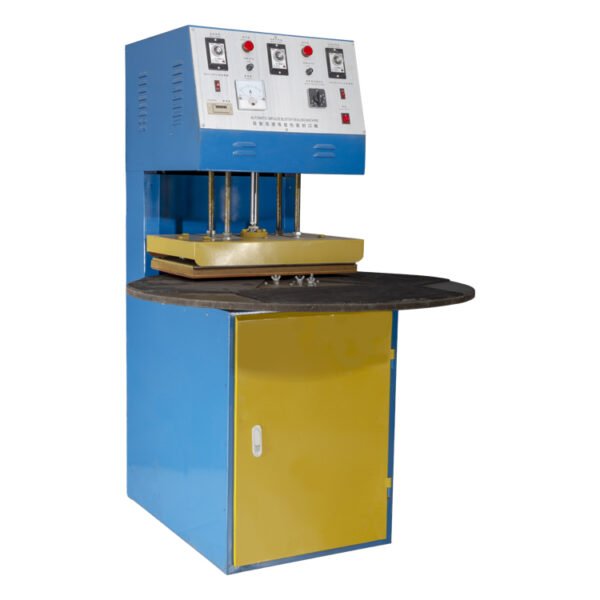
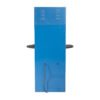
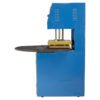
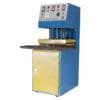
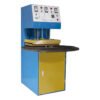
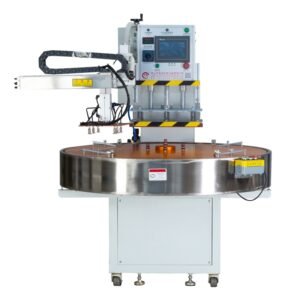
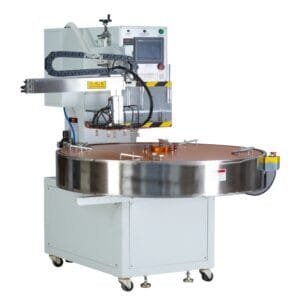
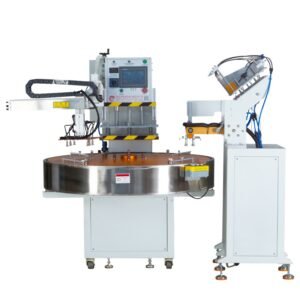
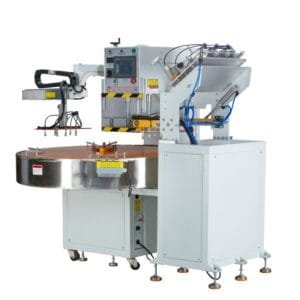
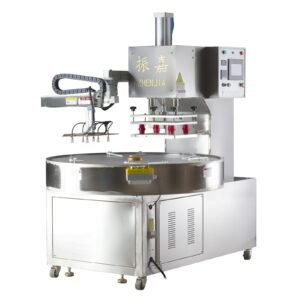
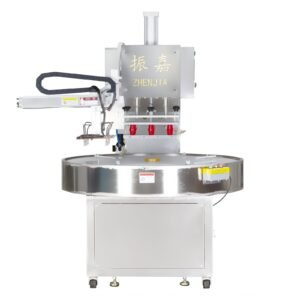
Semi-auto PVC PET Blister Paper Card Heat Sealer Used for Lip Balm & Lipstick Cosmetic Blister Packing
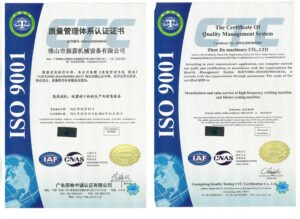
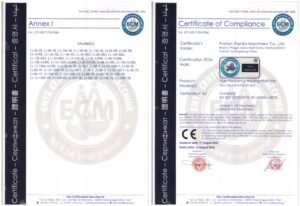
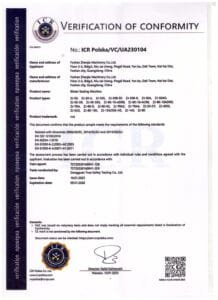
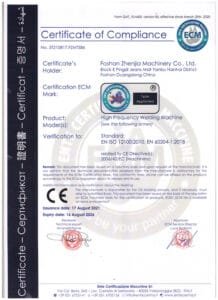
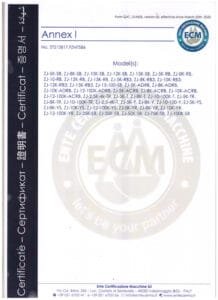
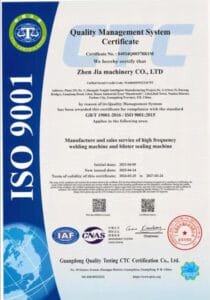
Compatible with PVC, PET blister bonded with paper card. Widely used for packaging of toys, stationery, batteries, daily necessities and small hardware tools. It delivers tight sealing for moisture protection and crystal-clear packaging to upgrade product grade. Manufactured by Zhenjia Machinery with stable performance, certified by CE and ISO9001.
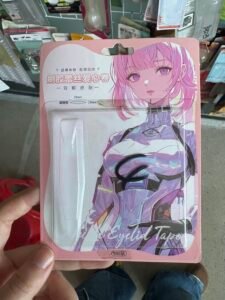
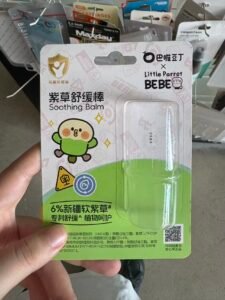
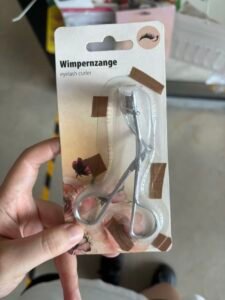
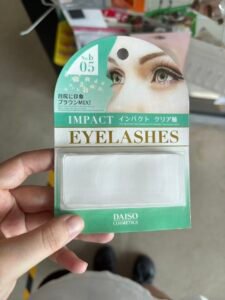
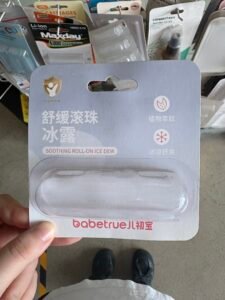
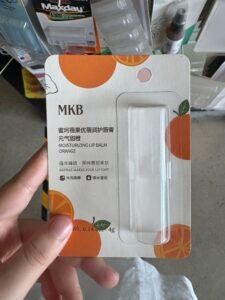
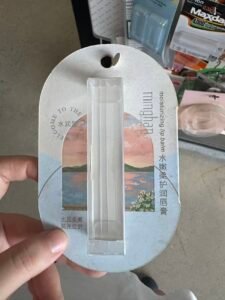
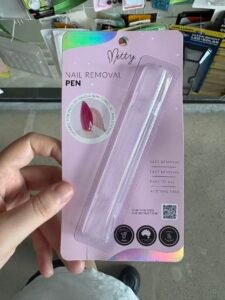
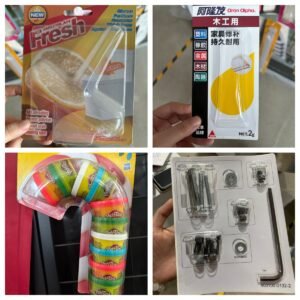
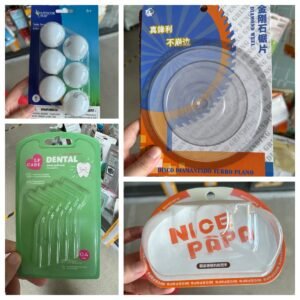
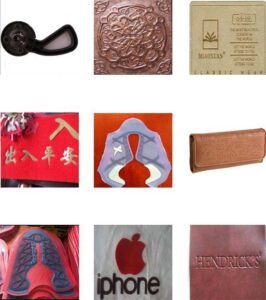
Sample Display
Zhenjia Machinery provides sample proofing service, and offers complete production process guidance and customized production solutions. If you need to check processed samples and product details, please contact us for physical samples or high-definition sample pictures to intuitively experience the processing accuracy and product effect of our machine.
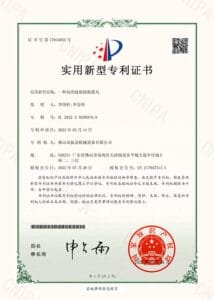
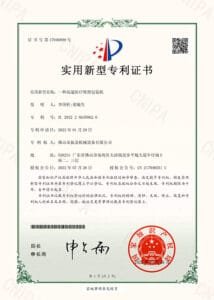
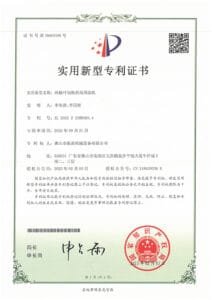
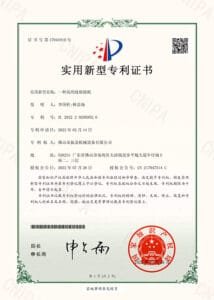
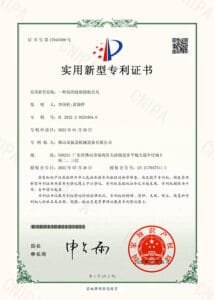
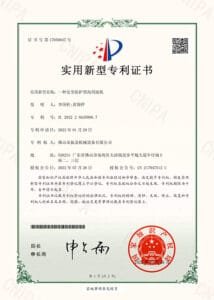
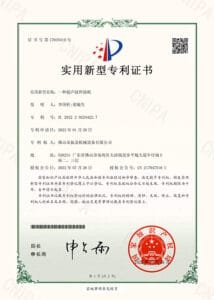
Our Certificate
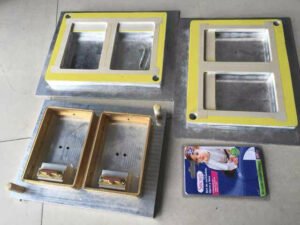
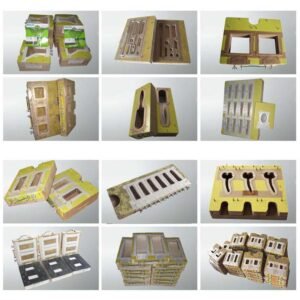
Mold Supporting Service
This machine can be equipped with various specifications of molds, suitable for processing products of different sizes and types. All molds are made of high-quality wear-resistant materials. We can provide customized molds according to customer product specifications, and offer professional mold maintenance guidance to extend mold service life and ensure continuous production.
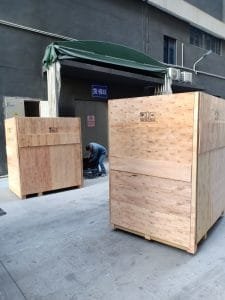
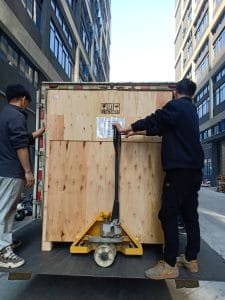
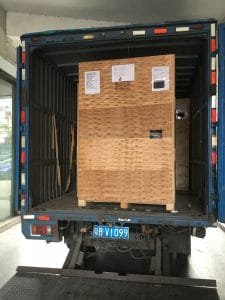
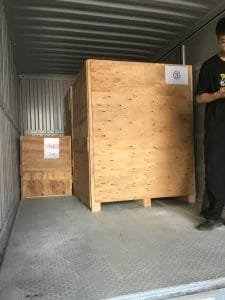
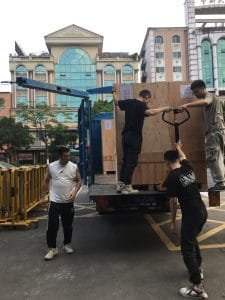
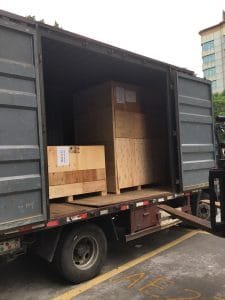
Packaging & Delivery
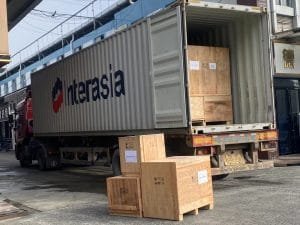
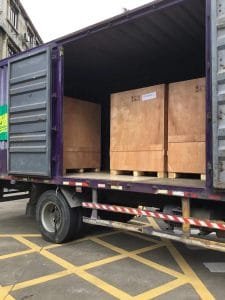
ZJ-50 Semi-Auto PVC PET Blister Heat Sealer for Lip Balm & Lipstick Cosmetic Packaging
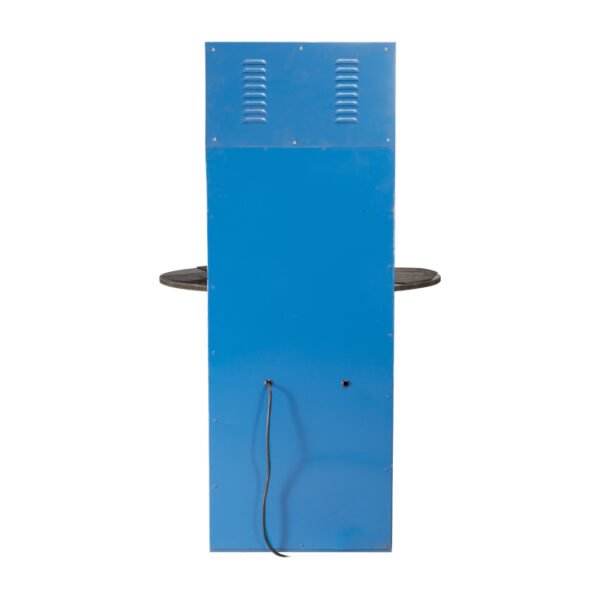
Looking for a reliable blister heat sealer for cosmetic packaging? The ZJ-50 semi-auto PVC PET blister heat sealer is your ideal partner for sealing lip balm, lipstick, and other cosmetic products onto paper cards. This compact, pneumatic-driven machine delivers consistent, moisture-proof seals at a speed of approximately 400 pieces per hour – perfect for small to medium production lines across Southeast Asia.
1. Product Overview & Core Specifications
The ZJ-50 features a rotating turntable (960 mm diameter) that allows operators to place, seal, and remove blisters in a continuous cycle. Its bottom heating platen ensures even heat distribution, while the 8-gear adjustment lets you fine-tune temperature for different blister materials. Below are the key technical parameters:
| Parameter | Specification |
|---|
Recommended Resources
- Explore more: Check our blister heat sealer for cosmetic packaging for a full range of industrial equipment.
- Watch & learn: Visit our semi-automatic blister sealer for video demonstrations and technical tips.
———–|—————|
| Model | ZJ-50 Bottom Heating Blister Sealing Machine |
|---|---|
| Power Supply | 220‑240V / 50‑60Hz (compatible with Southeast Asian grids) |
| Rated Power | 3 kW |
| Power Consumption | 1.5 – 2.5 kW/h (adjustable via gear setting) |
| Gear Adjustment | 8 gears (precise temperature control) |
| Working Table Size | 500 × 300 mm |
| Turntable Diameter | 960 mm |
| Cylinder | 80 × 150 mm |
| Max Upper Mold Stroke | 170 mm |
| Production Speed | ~7‑8 seconds/cycle → ~400 pcs/hour |
| Machine Weight | 110 kg |
| Machine Dimensions (with turntable) | 1100 × 960 × 1420 mm |
| Dimension (without turntable) | 670 × 520 × 1420 mm |
| Table Height | 750 mm (ergonomic working level) |
| Recommended Air Compressor | 60L air tank; 8 mm air pipe |
Compatible Materials & Applications
- Blister materials: PVC, PET, PP (0.2–0.8 mm typical)
- Card stock: Paper cards with glue coating (standard blister card)
- Typical products: Lip balm, lipstick, eyelash curler, nail art tools, batteries, stationery, toys, small hardware
The machine delivers crystal-clear, moisture-proof packaging that enhances product presentation and shelf appeal.
2. Selection, Comparison & Configuration Considerations
When choosing a blister sealer, you need to evaluate factors that affect production efficiency and seal quality. We focus on two critical aspects: comparing bottom heating vs. top heating, and understanding mold customization options.
2.1 Bottom Heating vs. Top Heating – Which One Fits Your Production?
The ZJ-50 uses bottom heating, meaning the heating platen is located below the blister, heating from underneath while the paper card is pressed from above. This design is optimal for cosmetic blisters where the product (e.g., lipstick tube) sits inside the blister cavity and the card is flat on top. Bottom heating ensures uniform heat transfer to the blister flanges without overheating the product inside.
- Bottom heating (ZJ-50): Best for thin blister flanges; reduces risk of burning paper card; simpler mold design.
- Top heating (alternative models): Used when blister is deep or when card requires heat activation from above.
If your primary products are lip balm, lipstick, or similar cosmetic items, the bottom heating ZJ-50 is the recommended choice.
2.2 Mold Customization & Configuration Options
Every cosmetic product has a unique blister shape. Zhenjia provides a professional mold department that designs and manufactures custom molds (bakelite / phenolic resin molds) tailored to your product dimensions. When ordering, you can:
- Send sample products or CAD drawings.
- Choose single‑cavity or multi‑cavity molds (max table size 500×300 mm allows 2–4 cavities for small lip balms).
- Specify mold thickness (height) to match the upper stroke (max 170 mm).
Formula for estimating mold heating energy:
>
[ E = P times t times eta ]
>
where (E) = energy (kWh), (P) = heating power (3 kW), (t) = heating time per cycle (seconds), (eta) = efficiency factor (approx. 0.8). For a 7‑second cycle, energy consumption is ~0.005 kWh per seal, emphasizing the low running cost.
3. Impact of Operating Conditions, Materials & Molds on Performance
Consistent sealing quality depends on the interplay between temperature, pressure, dwell time, and material properties. Key factors to monitor:
- Material thickness & type: PVC (softer, lower melting point ~130°C) requires lower gear settings (gear 2–3) compared to PET (~150°C, gear 4–5). PP (higher melting point ~170°C) may need gear 6–7. Always test with your exact card/blister combination.
- Ambient temperature & humidity: In tropical Southeast Asia (e.g., Thailand, Vietnam, Indonesia), high humidity can affect paper card glue activation. Ensure the card stock is stored in a dry environment (relative humidity < 60% recommended). High temperature may cause the machine to run slightly hotter – compensate by reducing gear setting by 1 step in summer.
- Mold condition: Worn or misaligned molds cause uneven pressure. Inspect the bakelite mold surface after every 10,000 cycles. Replace if surface shows cracks or burns.
- Pneumatic pressure: The cylinder works with a 60L air compressor (recommended). Inconsistent air pressure (below 6 bar) leads to weak seals. Install a pressure regulator and moisture trap between compressor and machine.
Safety Alert:
>
⚠️ The heating platen can reach temperatures >200°C. Always allow the machine to cool for at least 10 minutes before changing molds or performing maintenance. Keep the area around the turntable clear of flammable materials. Use heat‑resistant gloves when handling hot molds. Never operate the machine without proper electrical grounding.
4. Maintenance, Troubleshooting & Safety (Southeast Asia Climate Tips)
Routine Maintenance
- Daily: Clean turntable and platen with a soft cloth to remove adhesive residue. Check air filter and drain water from compressor tank.
- Weekly: Lubricate cylinder rod with light machine oil. Inspect electrical cables for signs of heat damage or rodent bites (common in humid climates).
- Monthly: Calibrate temperature using a contact thermometer (adjust gear offset if needed). Tighten all bolts on the frame.
Common Troubleshooting
| Problem | Cause | Solution |
|---|---|---|
| Weak seal (blister lifts from card) | Temperature too low / pressure too low / dwell time too short | Increase gear setting; boost air pressure; extend cycle time slightly (up to 10 sec) |
| Blister melts or burns | Temperature too high / mold not flush | Reduce gear; adjust mold alignment; ensure card is not overheated |
| Inconsistent sealing across turntable | Uneven mold wear / platen not level | Resurface or replace mold; adjust table height alignment |
| Cylinder slow or sticking | Low air pressure / lack of lubrication | Check compressor output; lubricate cylinder; clean air line |
Southeast Asia Climate Adaptation
- Voltage fluctuation: The ZJ-50 is designed for 220‑240V / 50‑60Hz. In regions with unstable grid, install a voltage stabilizer (≥3 kVA) to protect the heating element and control board.
- High humidity & temperature: Store spare molds in sealed dry cabinet. Use rust‑preventive oil on all unpainted metal parts. Keep the machine in a well‑ventilated area (avoid direct sunlight).
- Monsoon season: Water condensation inside air lines can cause cylinder malfunction – install a second water separator if needed.
5. Conclusion
The ZJ-50 semi-auto PVC PET blister heat sealer is a cost‑effective, reliable solution for cosmetic blister packaging in Southeast Asia. Its bottom heating design, 8‑gear temperature control, and robust construction (CE & ISO9001 certified) ensure consistent, high‑quality seals for lip balm, lipstick, and other blister products. With a production rate of 400 pcs/hour and simple pneumatic operation, it fits perfectly into small to medium production lines. Zhenjia also offers free sample testing, custom mold design, and full technical support to help you start production without delay.
Ready to upgrade your packaging line? Contact us today for a quote, sample testing, or mold design consultation.
- 📞 WhatsApp / WeChat: +86 13690843269
- 📧 Email: reyna@fszhenjia.com
- 🌐 Website: www.zhenjiamachine.com
We provide fast response, professional after‑sales support, and shipping to all Southeast Asian countries.