 TEL +86-13923172919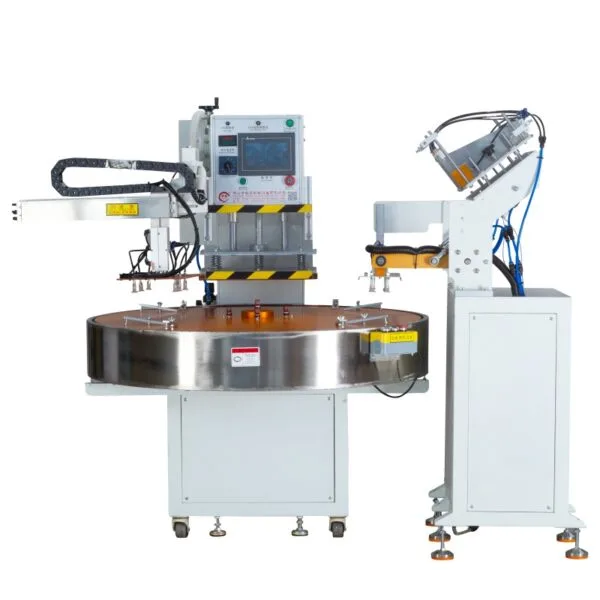
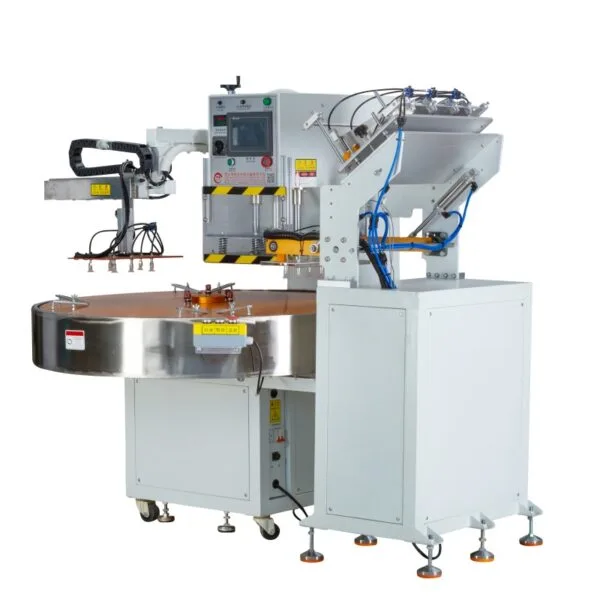
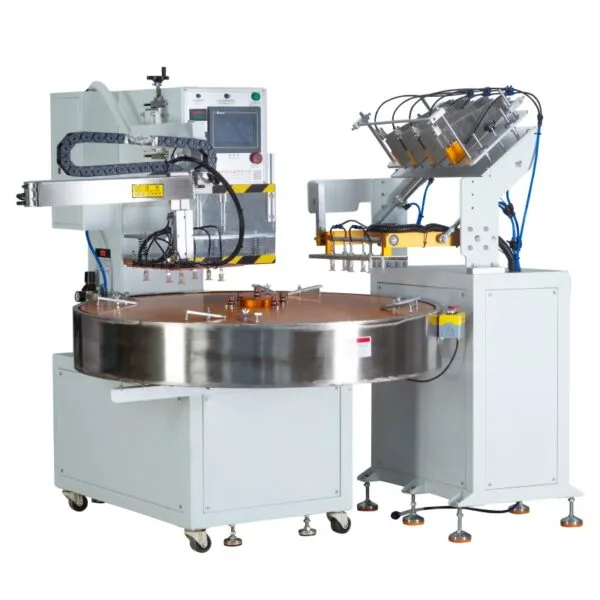
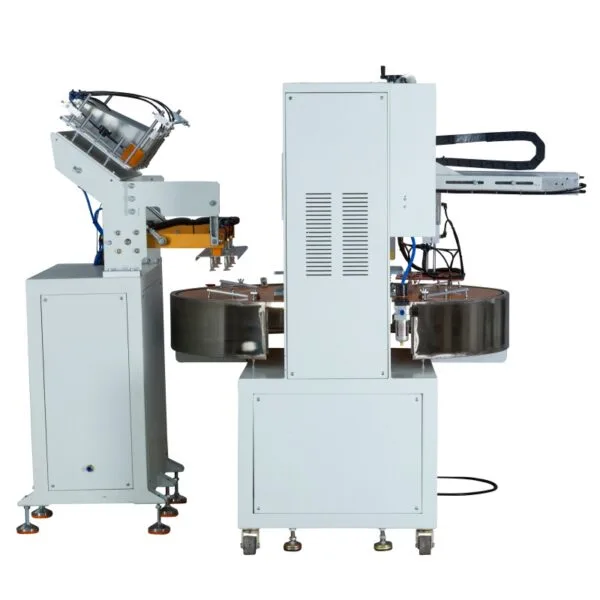
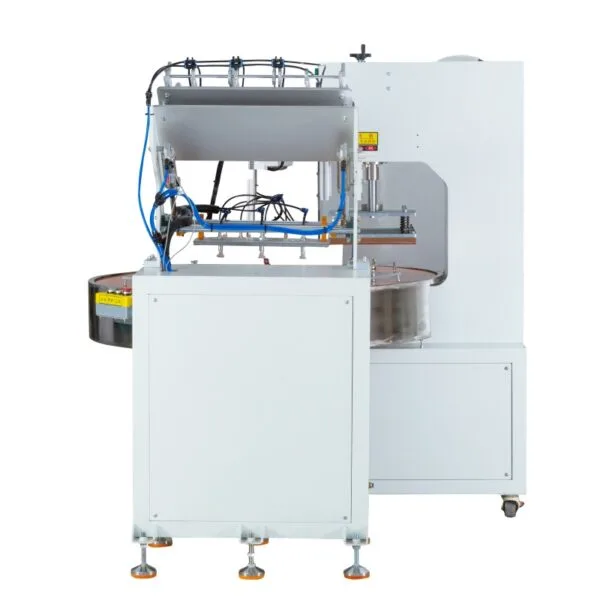
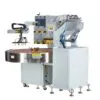
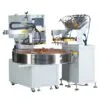
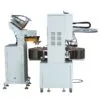
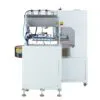
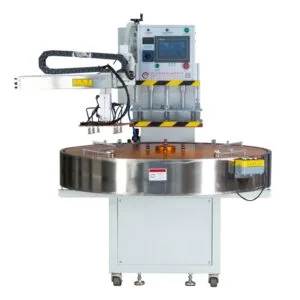
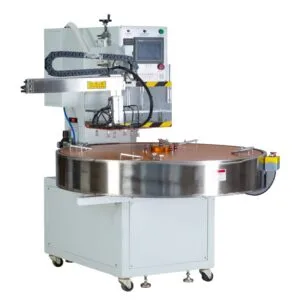
4-Station Fully Automatic Double Manipulator Blister Sealing Machine
This machine uses a 360° rotating table, with every 90° serving as an independent work station — a total of four stations. It is equipped with a digital servo control system that precisely drives the motor and reducer, achieving smooth start/stop and high positioning accuracy. Operators can adjust the rotary table speed directly on the touchscreen, with real-time digital display, making adjustment convenient and intuitive. The servo drive not only improves response speed but also saves energy. The entire machine is controlled by a PLC touchscreen, offering low operational difficulty and fast learning.
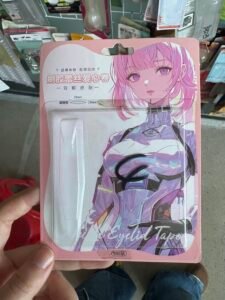
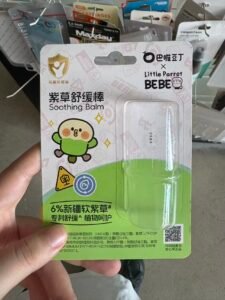
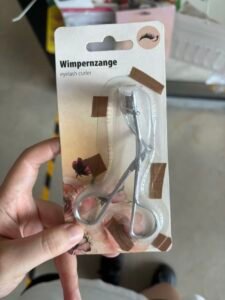
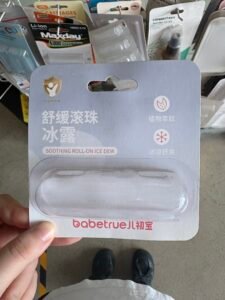
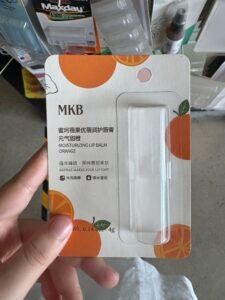
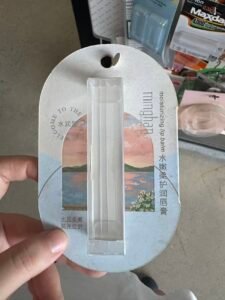
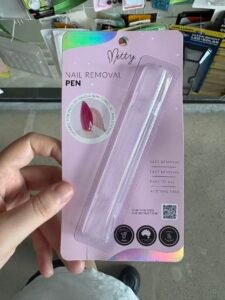
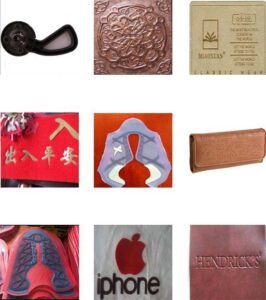
Sample Display
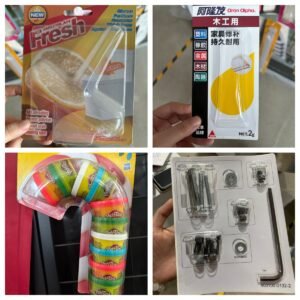
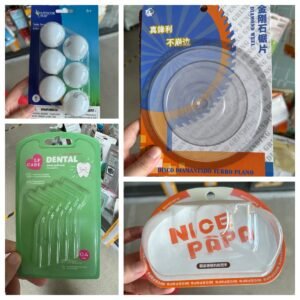
Zhenjia Machinery provides sample proofing service, and offers complete production process guidance and customized production solutions. If you need to check processed samples and product details, please contact us for physical samples or high-definition sample pictures to intuitively experience the processing accuracy and product effect of our machine.

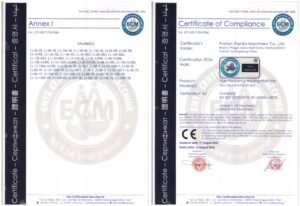
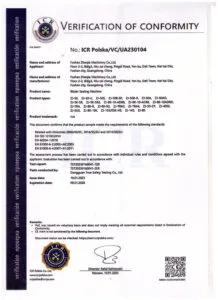
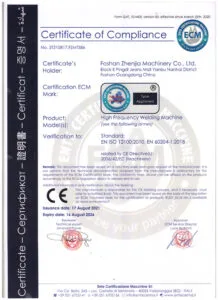
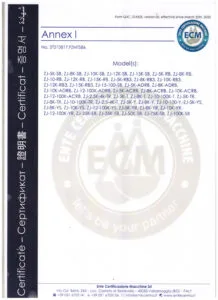
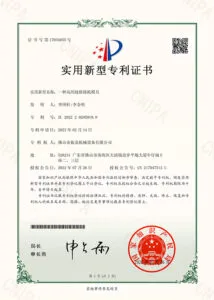
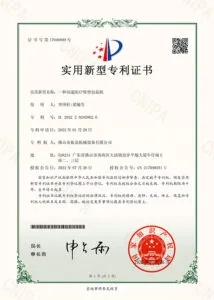
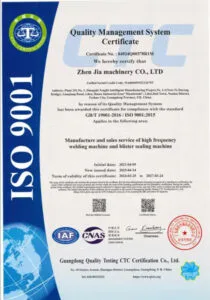
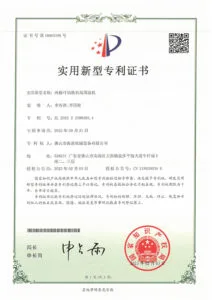
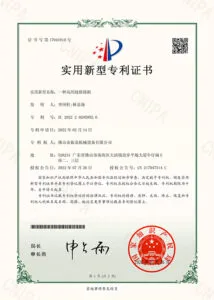
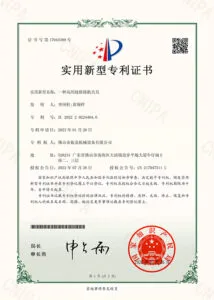
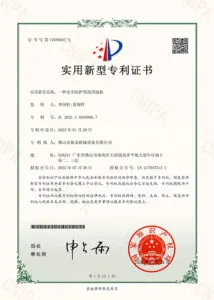
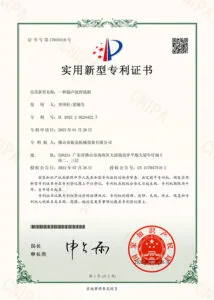
Our Certificate
Mold Supporting Service
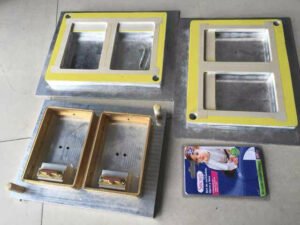
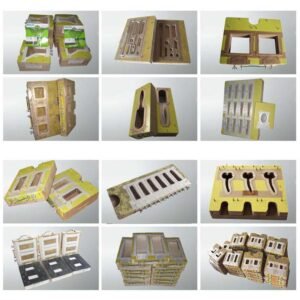
This machine can be equipped with various specifications of molds, suitable for processing products of different sizes and types. All molds are made of high-quality wear-resistant materials. We can provide customized molds according to customer product specifications, and offer professional mold maintenance guidance to extend mold service life and ensure continuous production.
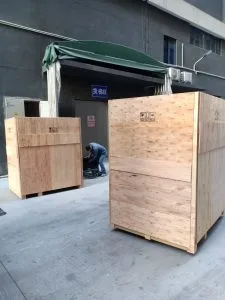
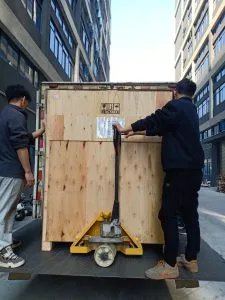
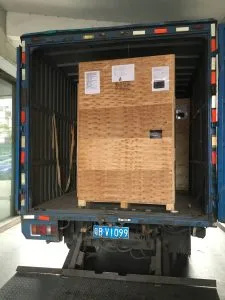
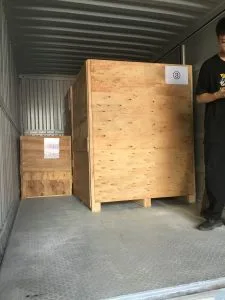
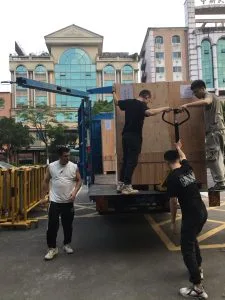
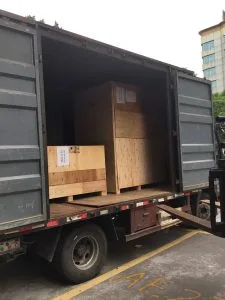
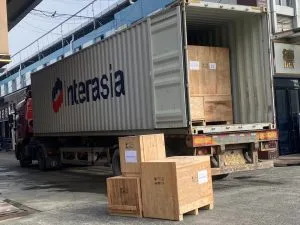
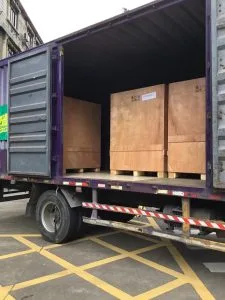
Packaging & Delivery
4-Station Fully Automatic Double Manipulator Blister Sealing Machine
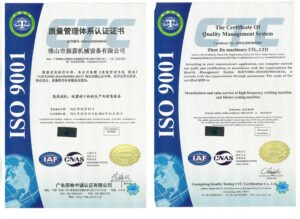
Welcome to the future of blister packaging. The 4-station fully automatic double manipulator blister sealing machine delivers unmatched speed, precision, and reliability for medium-to-high volume production lines. Engineered with a patented air-blown cardboard separation technology (Patent ZL 2020 2 2509500.1), it eliminates double-card feeding errors, ensuring consistent yield and minimal waste. Operating on standard 220-240V / 50-60 Hz single-phase power, this machine is built for the demanding conditions of Southeast Asian factories and holds CE and ISO 9001 certifications. Whether you package electronics, pharmaceuticals, or hardware, this blister sealing machine offers repeatable, high-quality seals at up to 20 cycles per minute.
1. Product Overview & Core Specifications
The 4-station rotary indexing worktable, combined with a dual-manipulator system, enables continuous high-throughput operation. Each station performs a dedicated function: card loading, blister placement, heating/sealing, and ejection. The pneumatic pressing plate and adjustable electric heating system provide precise temperature control for PVC, PET, and PP blisters onto paper cards. Insulated protective caps on mold connections reduce accidental contact, while an emergency stop on the worktable side ensures instant shutdown in critical situations.
| Parameter | Specification |
|———–|—————|
| Number of Stations | 4 (rotary indexing) |
| Manipulator Configuration | Dual, with adjustable flange (single-person height adjustment <10 seconds) |
| Heating Method | Electric heating element, adjustable temperature (140–200°C typical) |
| Applicable Blister Materials | PVC, PET, PP |
| Applicable Card Material | Paper cards (air-blown separation prevents double-card feeding) |
| Air Pressure Requirement | 0.6 – 0.8 MPa |
| Power Supply | 220-240V, 50/60 Hz, Single Phase (customizable for local grids) |
| Safety Features | Emergency stop, insulated protective caps, overload protection |
| Patented Technology | Air-blown cardboard separation (Patent ZL 2020 2 2509500.1) |
| Certifications | CE, ISO 9001 |
Key benefits at a glance:
- Zero double-card defect – unique blowing mechanism ensures only one card enters the sealing station.
- Rapid format change – manipulator height adjustable in seconds without heavy lifting.
- Energy-efficient – heating system designed for minimal standby power loss.
- Smart safety – both electrical and mechanical protections conform to international norms.
2. Selection / Comparison / Configuration Considerations
2.1 How to Choose the Right Blister Sealing Machine
When evaluating a blister sealing machine for your production line, consider the following factors:
- Throughput requirement – The 4-station rotary design can seal 15–20 cycles per minute (depending on blister size and sealing time), suitable for medium to high volumes.
- Material compatibility – PVC, PET, and PP have different sealing temperature windows. This machine offers fine temperature control (typically 140–200°C) to accommodate all three.
- Automation level – Full-automatic operation with dual manipulators reduces labour to one operator for loading and monitoring, versus 2–3 operators on semi-automatic machines.
- Integration with existing lines – The modular interface allows easy connection to upstream card feeding and downstream stacking equipment.
For Southeast Asian markets, where power supply may fluctuate, the machine’s voltage regulator ensures stable heating even under brownout conditions.
2.2 Key Configuration Options
We offer several optional upgrades to tailor the machine to your specific application:
- Custom mold design – Our in-house mold department designs and manufactures matched bakelite or aluminium molds for your product shape. High-frequency molds are also available for double-sided blister sealing.
- Heating system variants – Choose between top-heat only, bottom-heat only, or dual-side heating for thicker blisters.
- Card feeder – An automatic card magazine can be integrated for hands-free feeding.
- Stacking conveyor – Collect sealed packs directly into boxes or downstream packaging.
> Technical Reference Formula: The sealing strength is a function of temperature, pressure, and dwell time:
S = k · (T · P · t)
where S = peel strength (N/m), T = heating temperature (°C), P = pressing force (N), t = dwell time (s), and k is a material-dependent constant. Optimal settings can be determined through sample testing offered by our lab.
3. Effects of Working Conditions, Materials, and Molds on Performance
Working Environment: Ambient temperature and humidity influence heating efficiency and card flatness. In tropical Southeast Asia, high humidity may cause paper cards to absorb moisture, leading to curling or weak seals. We recommend maintaining a controlled environment (25–30°C, <70% RH) or using dehumidified card storage.
Material Selection:
- PVC – Excellent clarity and sealing ease; ideal for consumer goods. Sealing temperature ~140–160°C.
- PET – Stronger but requires higher temperature (160–190°C) and longer dwell time. Check that your card adhesive is PET-compatible.
- PP – Chemical-resistant; sealing at 180–200°C with careful pressure control to avoid deformation.
Mold Design: The mold directly impacts heat transfer uniformity. A well-designed mold with proper venting and surface finish (Ra ≤ 0.8 μm) prevents cold spots and air pockets. Our engineering team can help you select the right mold material (bakelite for cost-effectiveness, aluminium for faster heat recovery).
4. Maintenance, Troubleshooting & Safety (Southeast Asia Climate Advice)
Regular maintenance ensures long-term reliability in hot, humid environments:
- Daily: Clean worktable and molds of adhesive residue. Check air filter/regulator for water accumulation.
- Weekly: Lubricate pneumatic cylinders and guide rods with silicone-based grease. Inspect emergency stop functionality.
- Monthly: Measure electrical insulation resistance (should exceed 1 MΩ). Tighten terminal connections to prevent overheating.
- Seasonal: Before monsoon seasons, apply anti-rust spray on exposed steel parts and verify grounding.
Common issues & fixes:
| Problem | Likely Cause | Solution |
|———|————–|———-|
| Weak seal on one side | Uneven heating or pressure | Calibrate heating plate parallelism; adjust pressure regulator |
| Card wrinkles | Moisture in card or excessive temperature | Pre-condition cards; lower temperature by 5–10°C |
| Blister sticking to mold | Mold release worn | Re-apply PTFE spray; consult mold department for re-coating |
⚠️ SAFETY WARNING:
Always disconnect main power before performing maintenance. The heating plate and mold can reach temperatures above 200°C – allow a 5-minute cool-down period. Use emergency stop immediately if any part of the body is caught in the rotary table. Never bypass safety switches.
Southeast Asia Specific: In high-humidity regions, condensation forms on cold surfaces overnight. To avoid short circuits, keep electrical cabinets closed and use silica gel desiccants. Consider installing a voltage stabilizer to protect sensitive controllers from grid surges.
5. Conclusion
Check our [blister sealing machine](https://www.zhenjiamachine.com/blister-sealing-machine) for more products, and watch our [automatic blister sealing machine](https://www.youtube.com/@slin7374) for video demonstrations.
The 4-station fully automatic double manipulator blister sealing machine combines patented feeding precision, rapid changeover, and robust construction to deliver consistent, high-quality packaging. Backed by CE and ISO certifications, a dedicated mold department, and free sample testing, this machine is the ideal upgrade for manufacturers seeking to reduce labor costs and improve output. Contact us today to discuss your specific blister packaging needs.
Contact & CTA
📞 WhatsApp / WeChat: +86 13690843269
📧 Email: reyna@fszhenjia.com
We offer free sample testing, custom mold design, and full production line consultation. Send us your product samples and let us demonstrate how our blister sealing machine can enhance your packaging process.