 TEL +86-13923172919
HF Welder Operator Hazards: An RF Welding Safety Guide Covering Electrode Contact, Radiation, and Press Guarding
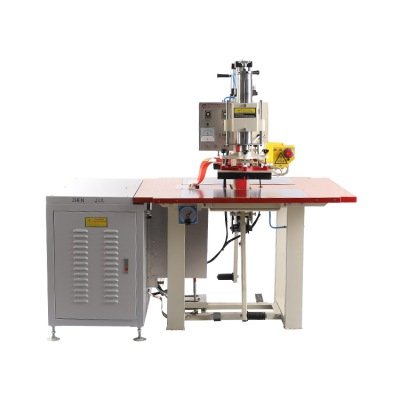
A high frequency welding machine concentrates multiple hazards into a single production station. RF energy capable of melting plastic in under two seconds flows through exposed electrodes. A press delivers tons of clamping force. The generator produces electromagnetic fields at levels that demand respect. An operator who does not understand these risks faces serious injury. A machine without proper guarding invites accidents.
High frequency welding machine safety is not a secondary topic to be covered briefly during onboarding. It is the foundation on which all production rests. An injured operator stops production far longer than any machine breakdown. A regulatory citation costs more than any guarding upgrade.
This guide addresses the four primary HF welder operator hazards in detail. It explains how to protect operators through properly designed high frequency welding machine guards. It also outlines the training practices that build a genuine safety culture on the production floor.
Hazard One: RF Burns from Direct Electrode Contact
RF current behaves differently from low-frequency electricity. At 27.12 megahertz, the current travels along the surface of conductors rather than through their core. Human skin is a relatively poor conductor at this frequency. When an operator touches a live RF electrode, the current concentrates at the contact point. The skin heats instantly. The resulting burn is deep, localized, and often painless at the moment of injury because the RF energy destroys nerve endings before they can signal pain.
HF welding burn risk from electrode contact is the most serious immediate danger an operator faces. The injury may look small on the surface but extend deep into underlying tissue. RF burns heal slowly and require specialist medical care. Operators must never touch any part of the electrode, the press platen, or the surrounding tooling while the generator is energized.
Electrodes must be fully shrouded by fixed or interlocked guards. A fixed guard permanently blocks access to the electrode area. Tool changes require removing the guard, which is acceptable because tool changes occur under lockout conditions with the machine powered down. An interlocked guard allows access during normal operation but cuts all RF power the instant the guard opens. Both types prevent casual contact.
Hazard Two: Mechanical Crush Injury from the Press
The press applies force ranging from several hundred kilograms on a small push-plate machine to over ten tons on a large automated system. Fingers, hands, or arms caught between the closing platens suffer crush injuries, fractures, and in severe cases, amputation. The press closing speed may be slow, but the force is relentless once the dies contact anything solid.
Two-hand controls provide the most common and effective protection. The operator must press two palm buttons simultaneously to initiate the press cycle. The buttons are spaced far enough apart that a single hand cannot span both. This design physically prevents the operator from having a hand in the die area when the press closes.
Light curtains add a further layer of protection. An infrared beam array across the front of the press detects any intrusion into the danger zone. Breaking the beam during the closing stroke instantly reverses the press or stops it dead. Light curtains protect against the operator reaching past the two-hand controls or a second person entering the zone.
Fixed barrier guards around the sides and rear of the press prevent access from directions other than the operator station. A press positioned near a wall or another machine still requires guarding. Other workers walking past the back of the machine must be protected as effectively as the operator.
Hazard Three: Electromagnetic Radiation Exposure
All RF welding safety guide documents must address the electromagnetic fields generated during every weld cycle. The fields are most intense in the immediate vicinity of the electrode and the RF feed structure. Operators working close to unshielded electrodes absorb some of this radiated energy.
Occupational exposure limits for RF radiation are defined by ICNIRP and adopted by national regulatory bodies. Exposures below these limits produce no known adverse health effects for workers without implanted medical devices. However, operators with pacemakers, implantable defibrillators, or other active medical implants must not work near operating HF welding equipment. The RF fields can interfere with implant function and cause life-threatening malfunctions.
Shielding contains RF fields at the source. Fully gasketed enclosure panels, shielded coaxial feed cables, and conductive mesh across ventilation openings all prevent radiation from escaping the machine. A high frequency welding machine that leaks significant electromagnetic energy also fails EMC compliance testing. Fixing the leakage satisfies both safety and regulatory requirements.
Periodic field strength measurements at operator positions verify that shielding remains effective. A calibrated field probe and spectrum analyzer measure actual exposure levels. Annual measurements catch shielding degradation before exposures approach limits. Measurements also document compliance for regulatory inspections and worker safety programs.
Hazard Four: Burns from Hot Surfaces and Material
Burns from hot surfaces are less dramatic than RF contact burns but occur more frequently. The electrodes, dies, and freshly welded material all reach temperatures between 120°C and 200°C. Contact with these surfaces produces conventional thermal burns. Operators unloading finished parts by hand face this hazard on every cycle.
Heat-resistant gloves rated for the expected contact temperature protect hands during material handling. Gloves must fit properly. Loose gloves can catch on tooling and pull the hand into the press. Gloves with a textured grip surface prevent dropped parts that tempt operators to reach into dangerous areas.
Allow adequate cooling time before operators handle welded parts. The cooling time that protects the weld quality also brings the material temperature below the burn threshold. Rushing the process to increase throughput creates burn hazards and weak welds simultaneously.
Mark hot surfaces with warning labels or paint them with high-temperature warning colors. An operator who can see which components are hot avoids them instinctively. Labels that burn off or fade over time must be replaced immediately.
Protective Guard Design Principles
Effective high frequency welding machine guards follow consistent design principles. Guards must prevent access to the hazard. They must withstand the forces they might encounter, including an operator leaning on them or a dropped tool striking them. They must not themselves create new hazards such as sharp edges, pinch points, or obstructed visibility.
Fixed guards attach with fasteners that require a tool to remove. The operator cannot casually lift a fixed guard aside. Fixed guards work for areas that do not require frequent access, such as the sides and rear of the press or the generator enclosure.
Interlocked guards connect to the machine safety circuit through positively-driven safety relays or a safety PLC. The interlock switch must open the RF power circuit and the press motion circuit directly. Software-based interlocks alone are not acceptable for primary operator protection. The interlock mechanism must be designed so that it cannot be easily bypassed with a screwdriver, a cable tie, or a piece of tape.
Adjustable guards accommodate different die heights and material thicknesses. A guard that cannot be adjusted for the current job will be removed and not replaced. Make adjustment quick and tool-free where possible. An operator who can reposition the guard in seconds is an operator who keeps the guard in place.
Operator Training: What Every User Must Know
Training converts guarding and procedures from paperwork into practice. Every operator must complete safety training specific to the HF welding machine they will operate. Generic factory-floor safety training is not sufficient.
Training must cover the four hazards described in this guide. The operator must understand how RF burns differ from thermal burns. And the operator must know the crush force the press can apply. The operator must know the safe working distance from unshielded RF fields. The operator must know the hot surface locations on the specific machine.
Training must include hands-on demonstration of every safety device. The operator presses the E-stop and watches the machine stop. And the operator opens an interlocked guard and confirms the RF de-energizes. The operator tests the two-hand controls and verifies the press does not close with only one button pressed. This hands-on practice builds confidence in the safety systems and reveals any malfunctioning devices.
Training must explain what to do when something goes wrong. The operator must know the location of the first aid kit, the emergency shower, and the fire extinguisher. And The operator must know the emergency phone numbers and the site address for ambulance dispatch. The operator must know to preserve the scene of any serious incident for investigation.
Training is not a one-time event. Refresher training every 12 months keeps safety knowledge fresh. Training refreshes immediately after any safety incident or near-miss. Training refreshes when a new die, a new material, or a new product changes the operating procedure.
Building a Safety Culture Around HF Welding
Safety culture starts with visible leadership commitment. A supervisor who walks past an unguarded press without comment communicates that safety rules are optional. A supervisor who stops production to fix a damaged interlock switch communicates that safety is non-negotiable.
Report every near-miss. An operator who stumbles and catches themselves before touching an electrode may shrug it off. That stumble should trigger a review of the workstation layout, the floor surface, and the operator’s footwear. The next stumble might not end with a catch.
Investigate every arc event as a safety incident. An arc that does not injure anyone still indicates that RF energy escaped its intended path. The next arc under slightly different conditions could involve an operator. Find the root cause and fix it.
Reward safe behavior openly. An operator who tags a machine out of service because of a damaged guard has just protected the entire shift from potential injury. That decision deserves recognition, not pressure to keep running.
The Payoff of Genuine HF Welder Safety
A safe machine is a productive machine. Operators who trust their guarding work faster and with greater confidence. A shop with a strong safety record attracts and retains skilled workers. Regulatory agencies that see a documented safety program during an inspection move on without issuing citations.
High frequency welding machine safety is not a cost center. It is an investment that pays returns in uninterrupted production, lower insurance premiums, and a workforce that goes home uninjured every day. A brush against a guarded electrode leaves no mark. A press that stops before it reaches a hand causes no injury. A machine that contains its fields disturbs nothing beyond its enclosure. That is the standard to which every HF welding installation must aspire.