 TEL +86-13923172919
Vacuum Tube HF Welder Maintenance: How to Inspect, Test, and Replace Oscillator Tubes for Reliable Performance
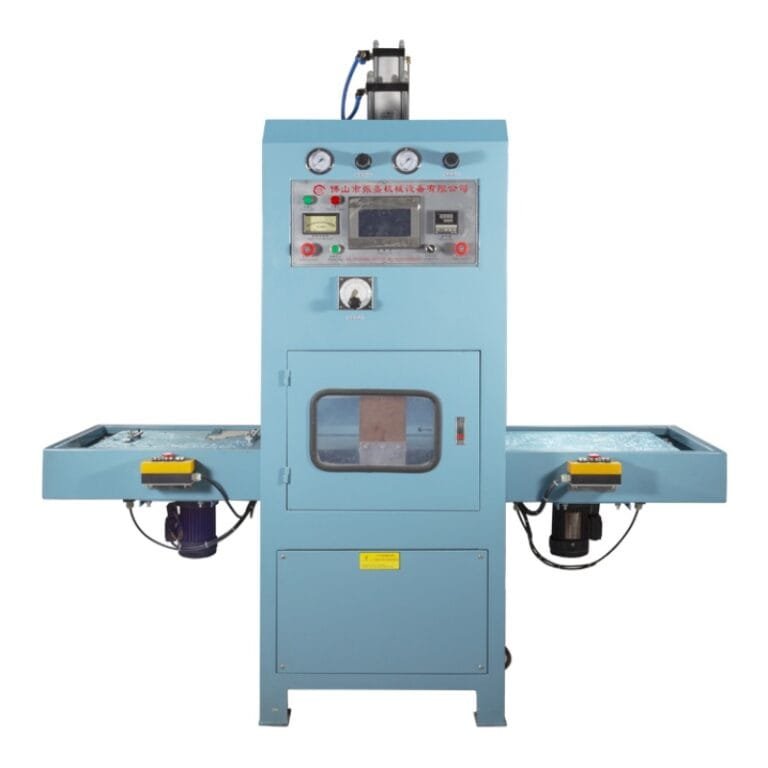
The oscillator tube is the beating heart of every tube based HF welder repair strategy. It converts DC power from the high-voltage supply into the radio frequency energy that welds your product. A healthy tube delivers full output with stable frequency and predictable tuning. A worn or damaged tube produces weak welds, drifts out of tune, and eventually fails without warning.
Proper vacuum tube HF welder maintenance revolves around three activities. You must know how to inspect the tube for early signs of degradation. You must understand how to test it under operating conditions. And you must follow a correct replacement procedure when the tube reaches the end of its service life.
This guide covers all three. It explains how to perform an HF welding oscillator tube inspection, how to run a high-voltage test safely, and how to replace the tube with minimal downtime. It also describes the operating habits that extend tube life and reduce your annual tube cost.
Safety First: Preparing the Machine for Tube Work
Oscillator tubes operate at voltages that can kill instantly. The anode supply in a typical 10kW to 15kW HF welder runs between 5,000 and 8,000 volts DC. The high-voltage capacitors store this charge for hours after the machine is powered down. Never touch any tube connection or high-voltage component until you have verified zero stored energy.
Power down the machine completely. Lock out the main disconnect. Wait at least 10 minutes for the bleeder resistors to discharge the capacitor bank. Attach a grounded discharge stick to each high-voltage terminal and hold it in place for 30 seconds. Measure the voltage across the capacitors with a high-voltage probe. The reading must be zero before you proceed.
Remove all metallic jewelry from your hands and wrists. Wear insulated gloves rated for the machine’s maximum voltage. Work with one hand whenever possible, keeping the other hand away from the chassis. Have a qualified observer present who knows how to kill power and call emergency services. These rules are not optional.
Inspection One: Visual Examination of the Tube Envelope
Begin every HF welding oscillator tube inspection with a careful visual check of the tube itself. The glass or ceramic envelope reveals a great deal about internal conditions.
Examine the getter deposit. This is the shiny, mirror-like coating on the inside of the glass envelope near the base or top of the tube. A healthy tube shows a bright silver getter. A tube that has lost its vacuum shows a milky white, chalky getter. The white color indicates that air has entered the envelope and reacted with the getter material. This tube is dead. It must be replaced.
Look for cracks in the glass envelope or the ceramic-to-metal seals. A hairline crack at the anode connection or the filament stem admits air slowly. The getter may still appear partly shiny while the tube performance degrades. Shine a bright light across the surface at an angle to make cracks visible.
Inspect the anode cooler for signs of overheating. Discolored metal, blistered paint, or a burnt smell around the anode connector indicates the tube has run above its rated temperature. Overheating damages the vacuum seal and shortens remaining life dramatically.
Check the filament connections at the tube base. Loose or oxidized contact fingers cause intermittent filament current. The filament may glow dimly or not at all. Remove the tube carefully and clean the socket contacts with electrical contact cleaner. Tighten all socket connections to the manufacturer’s torque specification.
Inspection Two: Insulation Resistance Measurement
A megohmmeter test reveals insulation breakdown that visual inspection cannot see. This RF welder tube service procedure measures the resistance between the tube elements and between each element and ground.
Disconnect all external wiring from the tube socket. Connect the megohmmeter between the anode terminal and the grid terminal. Apply the test voltage specified for your tube type, typically 500V or 1,000V DC. A healthy tube shows a resistance above 100 megohms. A reading below 10 megohms indicates internal leakage current. The tube may still oscillate but wastes power as heat and stresses the high-voltage supply.
Test between the anode terminal and the filament terminals. The reading should again exceed 100 megohms. Test between the grid and filament. The same standard applies. Low readings on any combination mean conductive contamination or gas inside the envelope. Replace the tube.
Test the tube socket and associated wiring with the tube removed. This separates socket leakage from tube leakage. A low reading with the tube out indicates a contaminated socket that needs cleaning or replacement, not a bad tube.
Testing the Tube Under Operating Conditions
A tube that passes visual inspection and insulation testing may still perform poorly under load. The definitive test applies full high voltage and measures the tube’s ability to deliver RF power.
Reinstall the tube and reconnect all wiring. Double-check every connection. Close all access panels and verify that interlocks are engaged. Apply filament voltage only. Let the filament warm up for the time specified by the tube manufacturer, typically 5 to 15 minutes. The filament must reach full emission temperature before high voltage is applied. Applying high voltage to a cold filament strips the cathode coating and permanently reduces emission.
Apply high voltage at the minimum level. Watch the plate current meter. A healthy tube draws stable plate current that matches the manufacturer’s expected value for the applied voltage and grid bias. A tube with low emission draws less plate current than expected. A tube with gas draws unstable current that jumps or creeps upward.
Increase the high voltage to the normal operating level while watching for internal arcing. Turn off the room lights and look at the tube through the viewing window in the generator cabinet. A faint blue glow around the anode is normal in some tube types. Bright flashes, purple arcs, or a flickering orange glow indicate gas or loose internal elements. The tube must be replaced.
Run a complete weld cycle with scrap material. Monitor the reflected power meter and the tuning controls. A healthy tube tunes smoothly to a minimum reflected power point. A worn tube may not reach a sharp tuning null or may drift off tune during the cycle. These symptoms confirm that the tube is approaching end of life.
When to Replace the Oscillator Tube
Oscillator tubes are consumable components. They wear out. A tube operated within its ratings in a well-maintained machine typically lasts 5,000 to 8,000 hours of RF-on time. Tubes pushed to maximum power in high-duty-cycle applications may last only 2,000 to 3,000 hours.
Replace the tube when any of these conditions occur. The getter turns white. The insulation resistance falls below 10 megohms. The tube cannot reach full rated output power even with correct high voltage and tuning. The plate current is unstable. Internal arcing occurs at normal operating voltage. The filament fails to light.
Proactive high frequency welder tube replacement costs less than emergency replacement. Order the replacement tube when the current tube reaches 80% of its expected service life. Keep a tested spare tube on the shelf. An emergency tube order halts production for days. A spare tube on the shelf halts production for hours.
Tube Replacement Procedure Step by Step
Replacing the oscillator tube follows a strict sequence. Rushing the process damages the new tube or creates unsafe conditions.
Power down and lock out the machine. Discharge all high-voltage capacitors. Verify zero stored energy. Remove the old tube carefully. Tubes are heavy and fragile. Use two hands or a lifting strap designed for the tube. Place the old tube in a protective container. A dropped tube implodes and scatters glass shards at high velocity.
Inspect the tube socket thoroughly. Clean all contact surfaces with electrical contact cleaner and a lint-free wipe. Look for arc marks, discolored metal, or cracked insulators. A damaged socket transfers its problems to the new tube. Replace the socket if any damage is visible.
Install the new tube. Align the tube pins or base with the socket. Press the tube into place with firm, even pressure. Do not force it. Tighten any retaining clamps to the specified torque. Overtightening cracks the envelope. Undertightening allows movement that fatigues the pin seals.
Reconnect all wiring. Verify that each connection matches the machine schematic. A reversed grid and anode connection destroys the tube on the first application of high voltage.
Apply filament voltage only. Start the warm-up timer. The new tube requires the full specified warm-up time, even if the machine has been off for only a few minutes. Cathode emission stabilizes during this period. Skipping the warm-up shortens the new tube’s life from the very first cycle.
Apply high voltage at the minimum level after the warm-up completes. Tune the generator for minimum reflected power at low power. Increase the power in steps, re-tuning at each step. Run the tube at 50% power for 30 minutes to condition the new components. This burn-in period stabilizes the vacuum and distributes the getter material.
Operating Habits That Extend Tube Life
The way operators use the machine affects tube longevity as much as the maintenance procedures. Adopting a few simple habits extends tube life significantly.
Warm up the filament fully before every production start. Cold-starting the filament strips cathode coating. The emission drops gradually over time, and the tube reaches end of life sooner. Install a timer or PLC routine that prevents high voltage application until the filament warm-up period completes.
Avoid cycling high voltage on and off repeatedly. Every time the high voltage is applied, the tube experiences a current inrush that stresses the cathode and the grid. Keep the machine running during short breaks rather than powering down and restarting. The filament consumes modest power compared to the cost of a replacement tube.
Operate the tube within its rated plate current and plate dissipation limits. Pushing the tube beyond its ratings to achieve faster cycle times trades tube life for throughput. The trade rarely pays off when tube replacement cost and downtime are factored in.
Maintain the cooling system meticulously. A tube that runs 10°C above its rated anode temperature may lose half its expected life. Verify cooling water flow and temperature at the start of every shift. Clean the water circuit and replace the coolant on the schedule described in the cooling system maintenance guide.
Keep a logbook for each tube. Record the date of installation, the initial plate current and output power, and the cumulative RF-on hours. Note any adjustments to tuning or power settings over time. This log predicts the next replacement date and provides a valuable diagnostic record when performance problems arise.
The Economics of Tube Maintenance
A systematic approach to vacuum tube HF welder maintenance pays for itself many times over. The purchase price of a new oscillator tube ranges from $2,000 to $8,000 depending on power rating. The cost of emergency replacement includes not only the tube price but also the value of lost production, scrapped material, and the premium paid for expedited shipping.
A properly maintained tube that reaches its full service life costs less per operating hour than a neglected tube replaced at half its potential life. The inspection, testing, and operating practices described in this guide represent an investment of minutes per shift. That investment returns hours of productive operation and months of additional tube life.
When the tube finally reaches its end, follow the replacement procedure exactly. Commission the new tube carefully. Log the event. The machine returns to production with full power and stable tuning, and the cycle of reliable service begins again.