 TEL +86-13923172919
How to Install a Push Plate HF Welding Machine
A manufacturer setting up a new production line for motorcycle seat cushions or PVC blister packaging often faces a critical transition period between the arrival of the equipment and the first successful production run. Improper push plate HF welding machine installation can lead to unstable high-frequency output, interference with nearby electronics, or even damage to the oscillation tube. Ensuring the foundation, power, and safety systems are correctly configured is the first step toward consistent welding quality.
Power Supply and Electrical Requirements
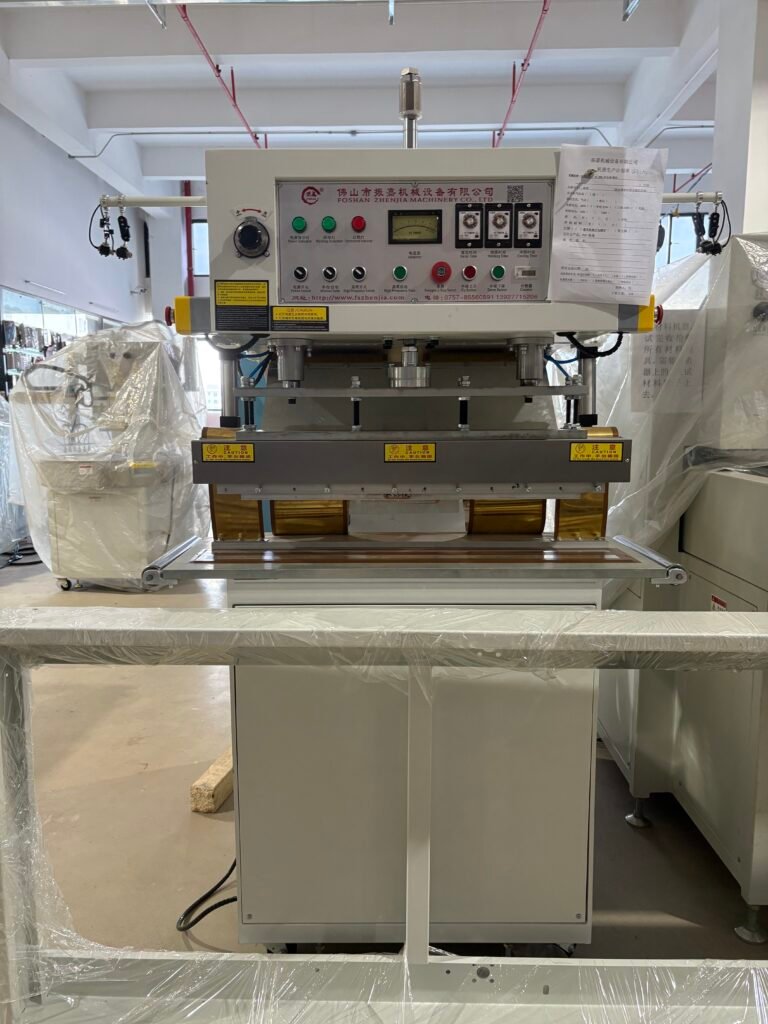
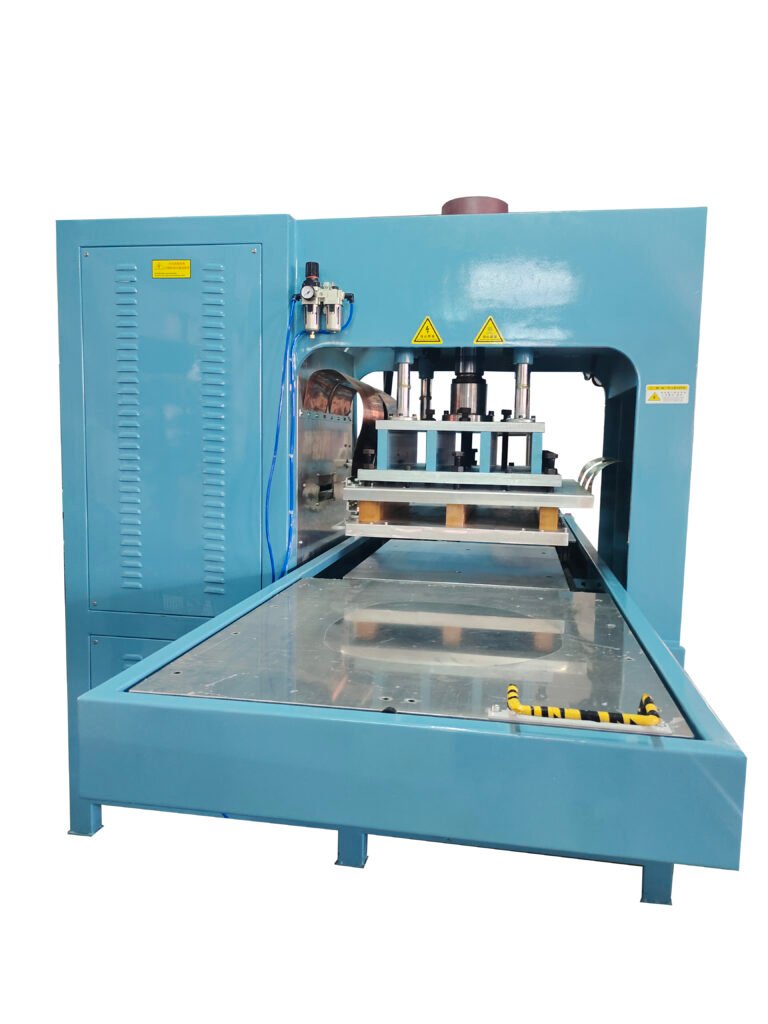
Before the machine arrives, verify your factory power supply. Most industrial HF equipment, such as the ZJ-12K-15K-25K-SB Push-Table HF Welding Machine, requires a stable 380V three-phase power source. You must confirm the specific voltage, phase, and frequency requirements of your facility with our team to ensure compatibility. Fluctuations in voltage can affect the stability of the 27.12MHz frequency, leading to inconsistent weld strength.
The electrical connection must be performed by a qualified electrician. It is prohibited to modify the high-voltage or control systems without authorization. Use cables with a cross-sectional area sufficient for the machine’s rated power (e.g., 12KW to 25KW) to prevent overheating. All wiring should be protected in conduits to prevent mechanical damage or accidental contact.
HF Welder Grounding and Interference Control
Grounding is perhaps the most misunderstood aspect of RF welder setup. Unlike standard low-voltage machinery, high-frequency equipment requires a dedicated, low-impedance ground to manage electromagnetic energy. A poor ground can cause the machine frame to become ‘hot’ with RF energy, leading to operator discomfort or interference with PLC controllers and nearby sensors.
The grounding wire should be as short and wide as possible, ideally using a copper strap rather than a thin round wire to maximize surface area for the high-frequency skin effect. Do not daisy-chain the ground with other heavy machinery. A dedicated ground rod driven into the factory floor near the machine is often necessary. Proper grounding protects the sensitive spark protection systems found in models like the ZJ-5K-SB Single-Head Push HF Welding Machine, which relies on accurate current sensing to prevent mold damage.
Compressed Air and Cooling Water Systems
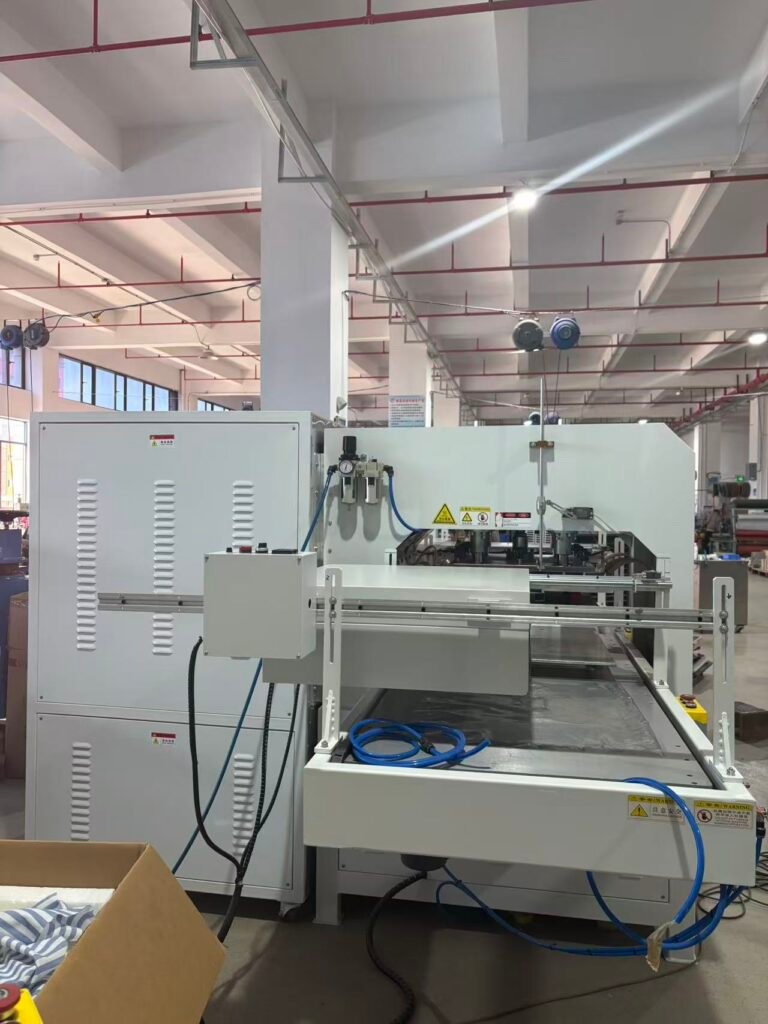
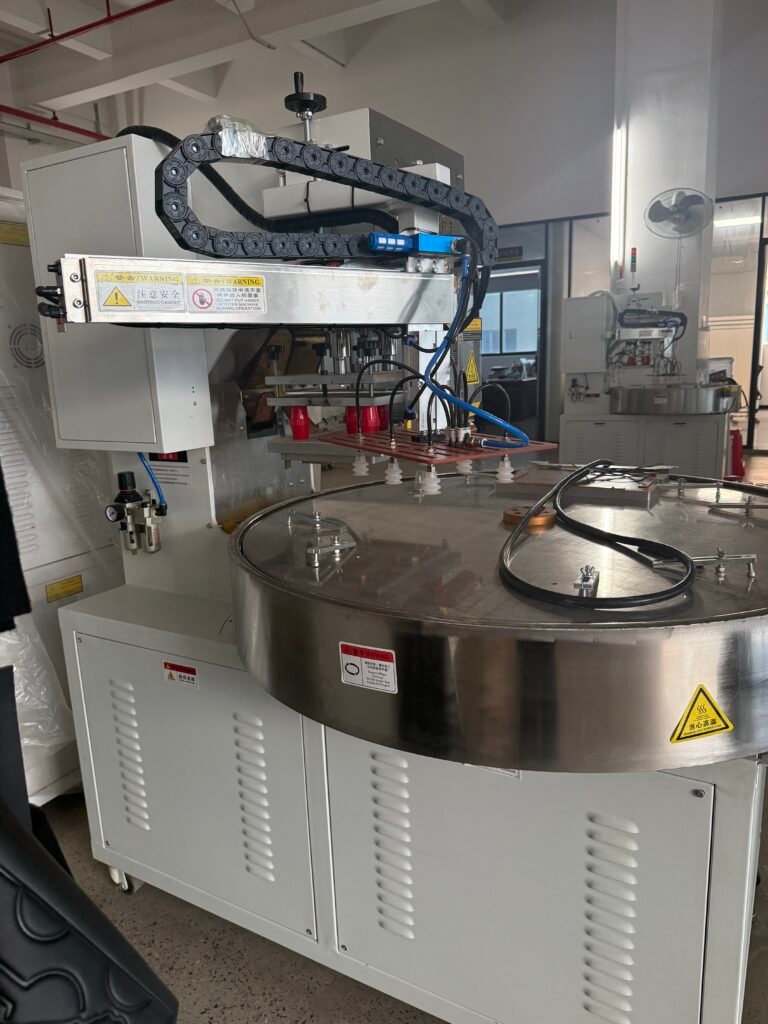
Push plate machines utilize pneumatic drive systems to apply pressure to the workpiece. A stable compressed air HF welder setup requires a clean, dry air supply. Moisture in the air lines can lead to corrosion in the pneumatic cylinders and solenoid valves, causing sluggish movement or pressure drops during the welding cycle. Install a dedicated air filter and regulator at the machine inlet. The required pressure typically ranges from 4 to 6 bar, but you should check the specific requirements for your mold and material combination.
For high-power machines, cooling is essential to protect the oscillation tube and the transformer. If your machine is water-cooled, ensure the cooling water is clean and free of mineral deposits that could clog the internal channels. The flow rate and temperature must be monitored; if the cooling system fails, the machine must be shut down immediately to prevent permanent damage to the electronic components.
Leveling and Exhaust Ventilation
The machine must be placed on a level, solid floor capable of supporting its weight without vibration. Use a spirit level to check the worktable. If the machine is not level, the push plate mechanism may experience uneven wear, and the mold alignment will be difficult to maintain. For large-area leather welding or motorcycle cushions, even a slight tilt can result in uneven pressure across the welding surface.
Ventilation is another critical factor. During the welding of PVC, PU, or TPU, small amounts of volatiles may be released. Proper exhaust ventilation should be installed above the welding station to maintain air quality for the operator. Do not rely solely on factory-wide air conditioning; localized extraction is more effective at removing fumes at the source.
Pre-Startup Hard Checks for New Operators
Before turning the power on for the first time, perform these mandatory safety and functional checks:
- Mechanical Clearance: Ensure the push plate moves freely along its tracks and that no tools or debris are left in the welding area.
- Mold Inspection: Verify that the mold is securely fastened and correctly aligned. Using mismatched or damaged molds is prohibited.
- Safety Guards: Check that all protective covers and emergency stop buttons are functional. It is prohibited to operate the machine with guards removed.
- Pneumatic Integrity: Listen for air leaks and ensure the pressure gauge reaches the required setting.
- Electrical Isolation: Ensure you know the location of the main power disconnect. Maintenance must only be performed after executing power-off and isolation measures.
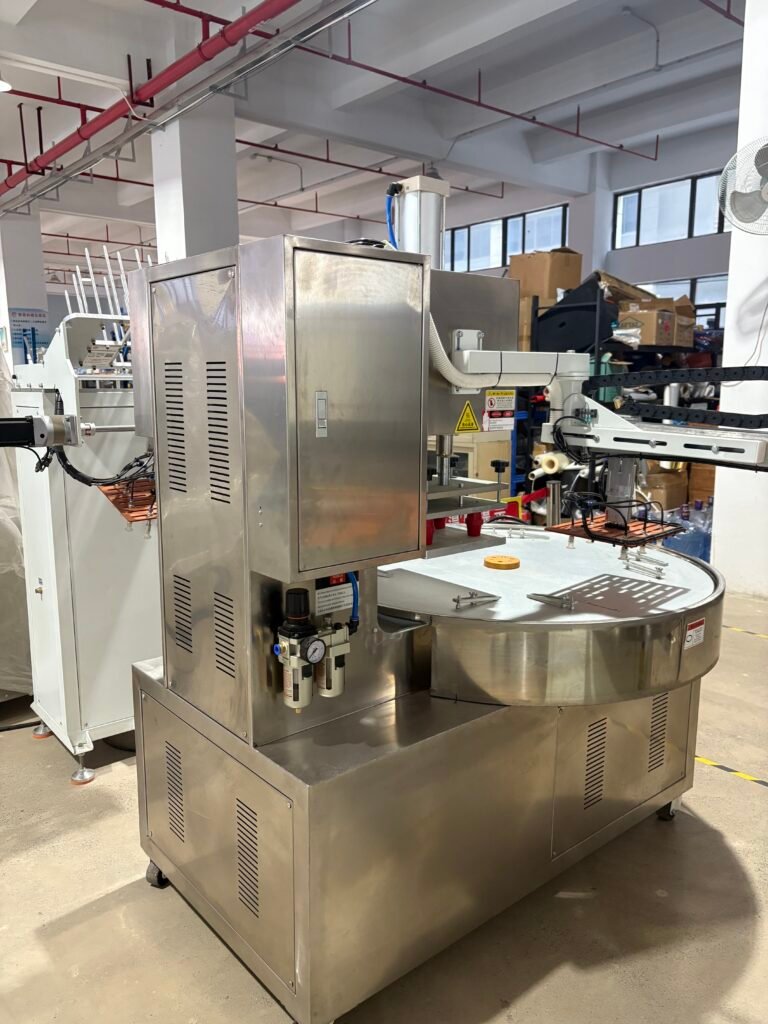
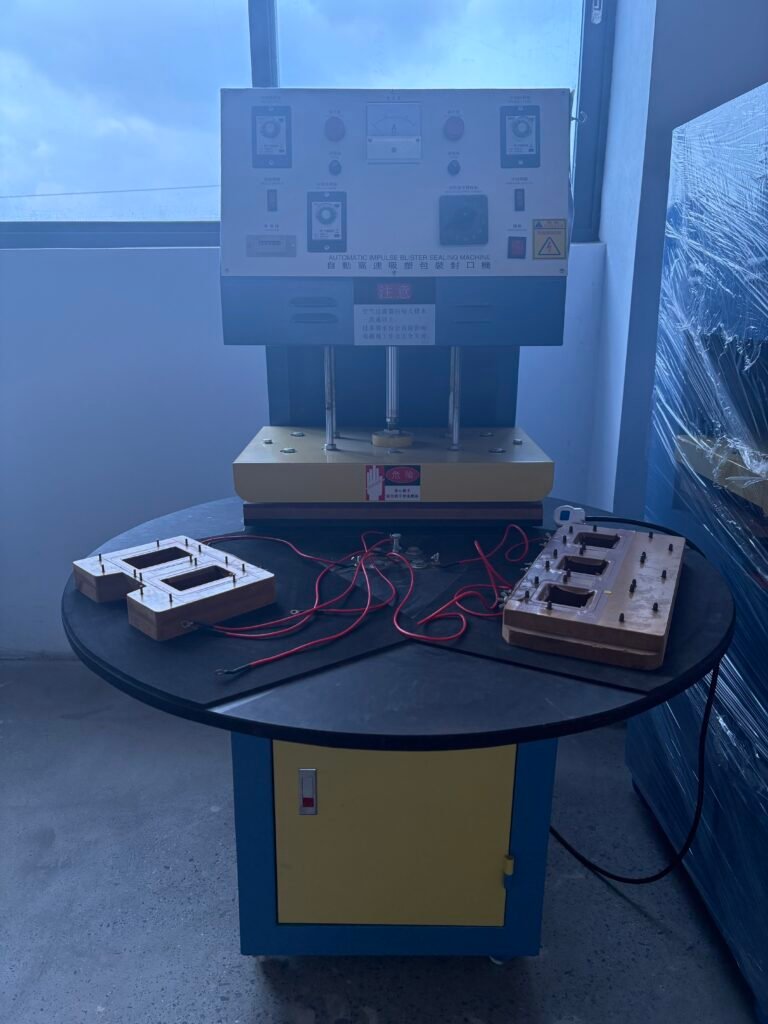
For specialized applications like blister sealing using the ZJ-8K-10K-SB Single-Head Push HF Welding Machine, machine selection and mold design need to be considered together. If you are working with new materials or complex structures, we strongly recommend sample testing and proofing before starting full-scale production. This ensures that the power settings and pressure are optimized for your specific product requirements.
| Installation Factor | Requirement | Impact of Improper Setup |
|---|---|---|
| Power Supply | 380V 3-Phase (Confirm with team) | Unstable frequency, component damage |
| Grounding | Dedicated low-impedance copper strap | RF interference, safety hazards |
| Compressed Air | 4-6 Bar, Dry/Filtered | Inconsistent pressure, cylinder wear |
| Leveling | Precision spirit level check | Uneven welding, mechanical wear |
Never treat high-frequency equipment as ordinary low-voltage machinery. The combination of high voltage, RF energy, and pneumatic pressure requires strict adherence to installation protocols. If any part of the installation process is unclear, confirm with our technical team before proceeding with the power-on sequence.