 TEL +86-13923172919
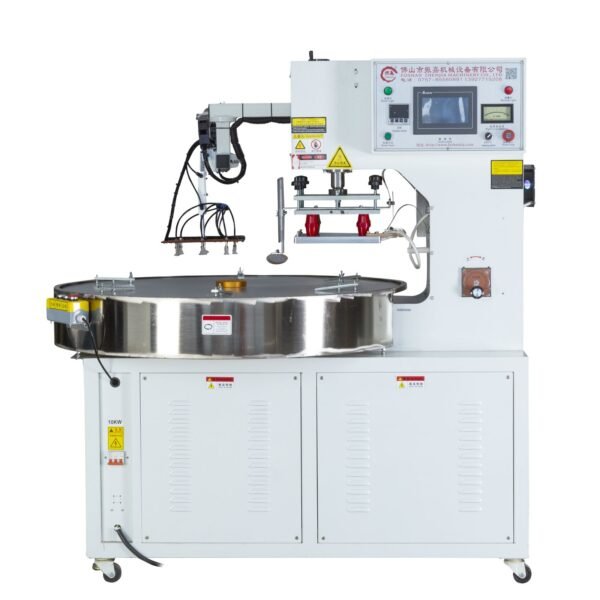
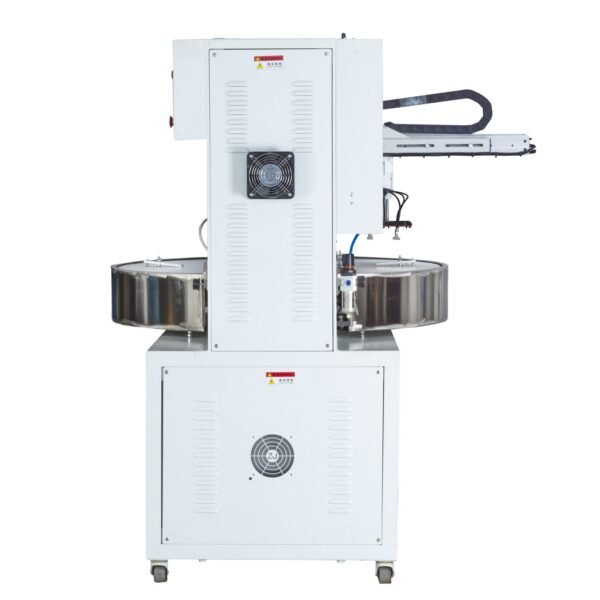
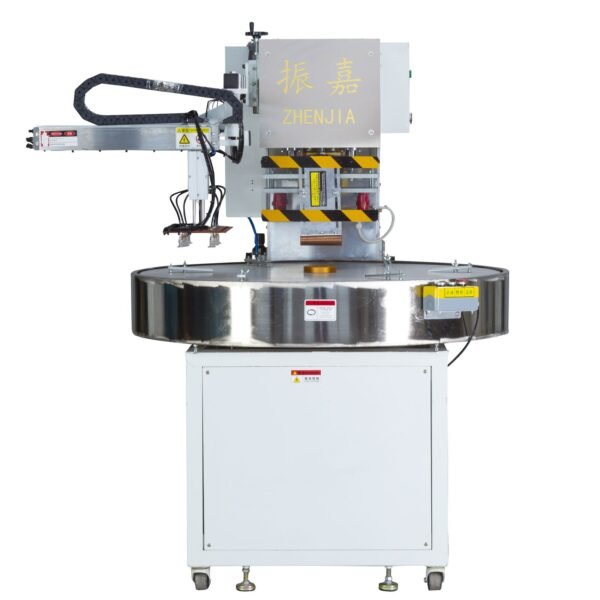
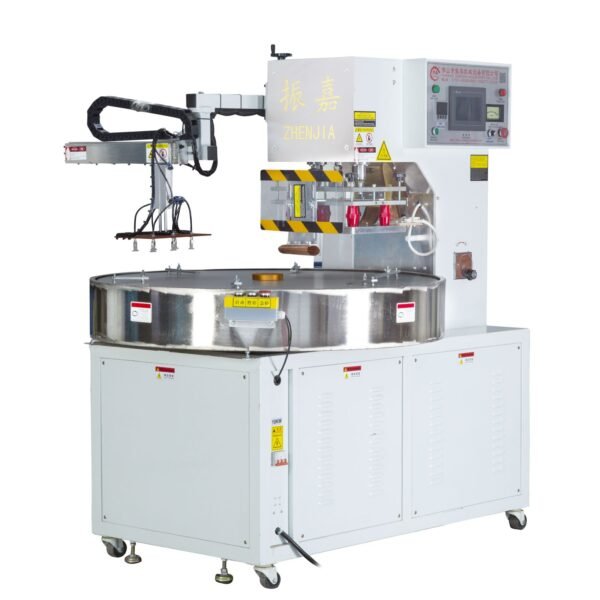
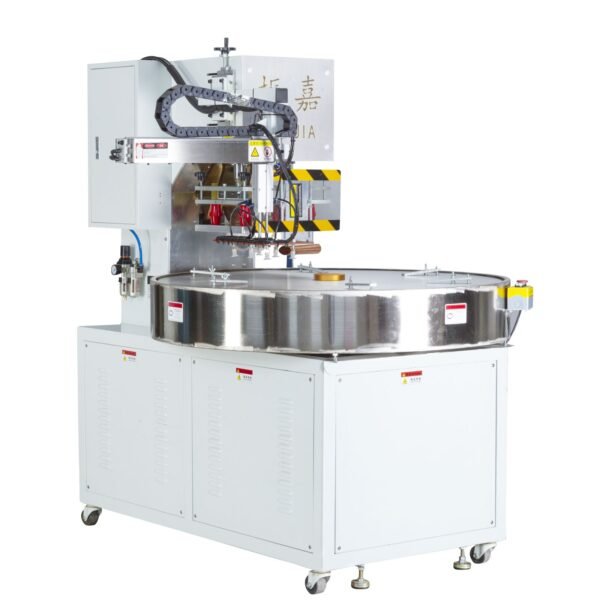
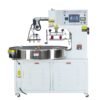
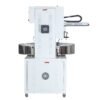
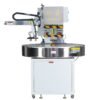
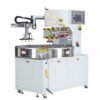
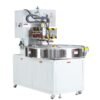
ZJ-8K-10K-ACRB 4-Station Rotary High-Frequency Welding Machine
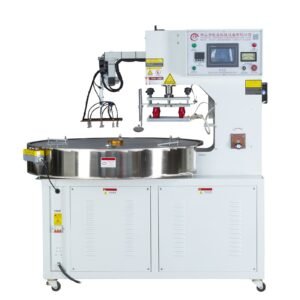
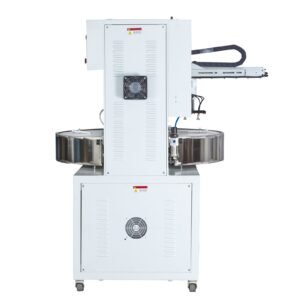
The ZJ-8K-10K-ACRB is a high-performance 4-station rotary high-frequency welding machine designed for automated industrial sealing. Featuring an 8kW or 10kW output and a 1200mm rotary table, this pneumatic system integrates high-precision indexer positioning with PLC control. Equipped with dual robotic arms for automatic loading, it supports continuous production cycles. Ideal for thermoplastic welding, it operates at 27.12 or 40.68 MHz frequencies on a 380V power supply, ensuring precision and efficiency in high-volume manufacturing environments.
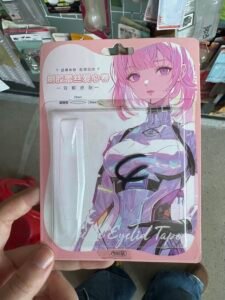
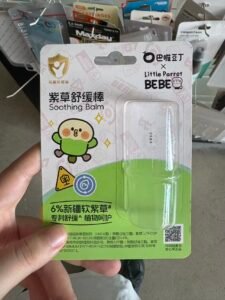
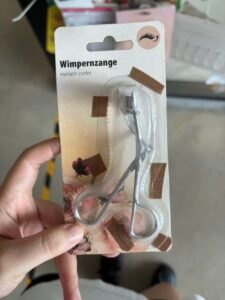
Sample Display
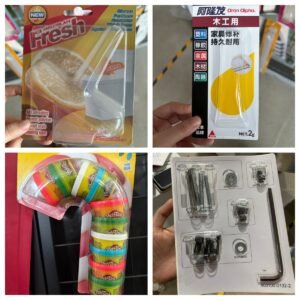
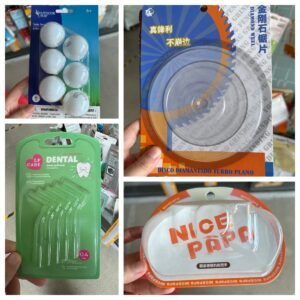
Zhenjia Machinery provides sample proofing service, and offers complete production process guidance and customized production solutions. If you need to check processed samples and product details, please contact us for physical samples or high-definition sample pictures to intuitively experience the processing accuracy and product effect of our machine.

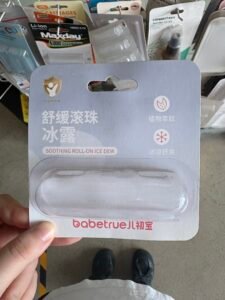
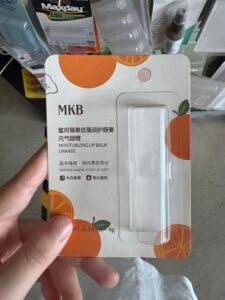
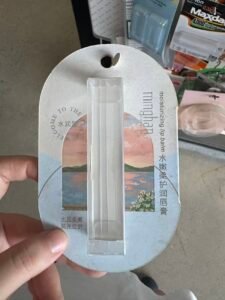
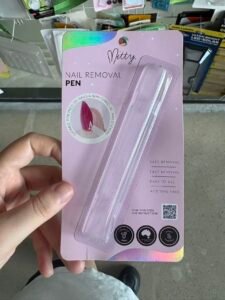
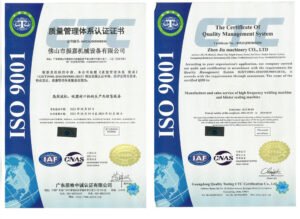
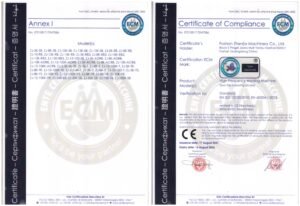
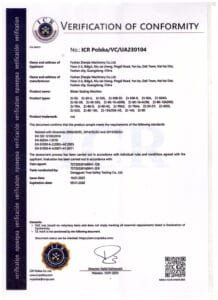
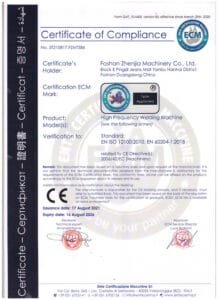
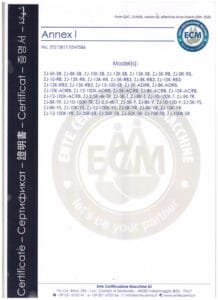
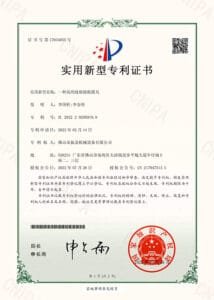
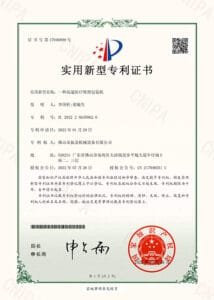
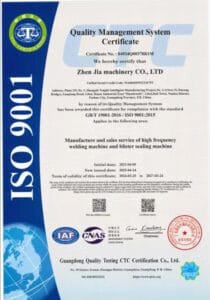
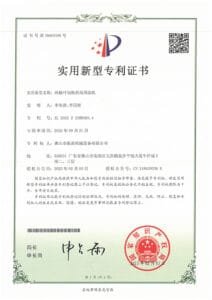
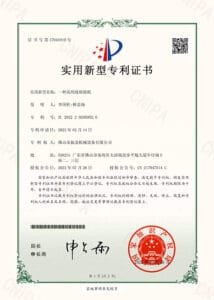
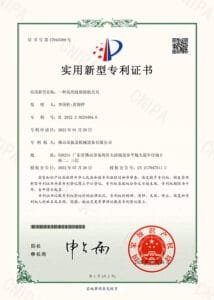
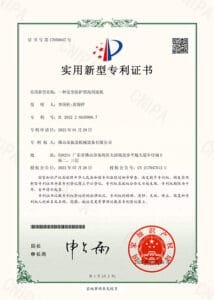
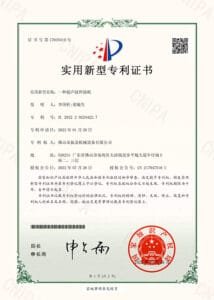
Our Certificate
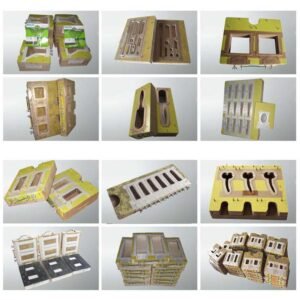
Mold Supporting Service
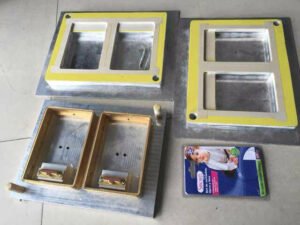
This machine can be equipped with various specifications of molds, suitable for processing products of different sizes and types. All molds are made of high-quality wear-resistant materials. We can provide customized molds according to customer product specifications, and offer professional mold maintenance guidance to extend mold service life and ensure continuous production.

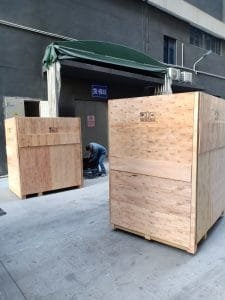
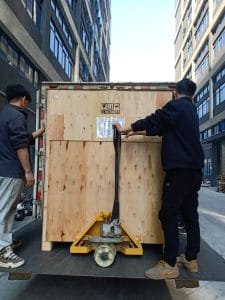
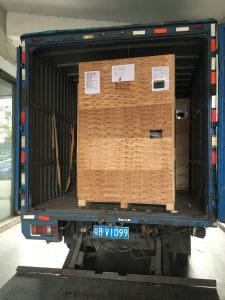
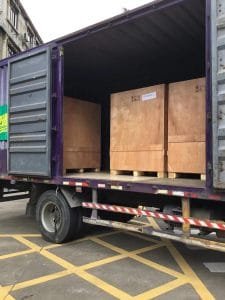
Packaging & Delivery
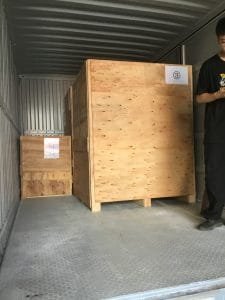
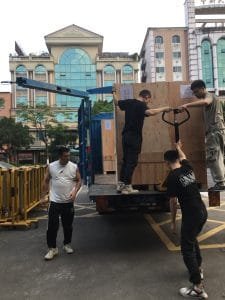
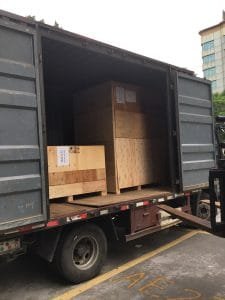
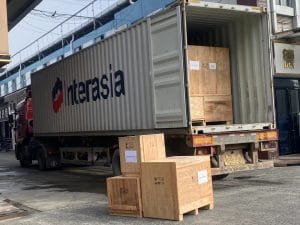
ZJ-8K-10K-ACRB 4-Station Rotary High-Frequency Welding Machine
The ZJ-8K-10K-ACRB 4-Station Rotary High-Frequency Welding Machine represents a significant advancement in automated thermoplastic bonding technology. Engineered by Zhenjia Machine, this industrial-grade system is designed to meet the rigorous demands of high-volume production environments where precision, repeatability, and speed are paramount. By utilizing high-frequency electromagnetic energy, the machine creates molecular-level bonds in compatible materials, providing a seal that is often stronger than the base material itself.
This specific model is configured with a four-station rotary table, allowing for a continuous workflow that significantly reduces idle time compared to traditional shuttle or stationary machines. With power options of 8 kW or 10 kW and a pneumatic drive system, the ZJ-8K-10K-ACRB provides the necessary force and energy to handle complex welding geometries and multi-layer material stacks.
Technical Specifications and Electrical Configuration
The following specifications represent the recorded technical parameters for the ZJ-8K-10K-ACRB. These values should be verified against specific production requirements and material samples before final commissioning.
| Specification | Recorded Value |
|---|---|
| Power Output | 8 kW / 10 kW |
| Number of Stations | 4-Station (四工位) |
| Operating Frequency | 27.12 MHz or 40.68 MHz |
| Drive Type | Pneumatic |
| Rotary Table Size | 1,200 mm Diameter |
| Power Supply | 380 V |
| Control System | PLC Computer Control |
| Positioning System | High-Precision Indexer |
| Loading Mechanism | Dual Robotic Arms (Automatic) |
| Output / Dimensions / Certification | Not specified; confirm with layout and certification scope |
Advanced Automation and Control Features
The ZJ-8K-10K-ACRB is distinguished by its integration of advanced automation components that transform it from a standalone welder into a fully automated production cell. The inclusion of PLC (Programmable Logic Controller) computer control allows operators to manage complex welding cycles with precision. This system monitors and regulates the timing of the pneumatic stroke, the duration of the high-frequency oscillation, and the cooling phase, ensuring consistent results across thousands of cycles.
High-Precision Indexer Positioning
At the heart of the rotary system is a high-precision indexer. This component ensures that the 1,200 mm table rotates and stops with extreme accuracy at each of the four stations. Precise positioning is critical for maintaining alignment between the upper electrode and the lower tooling, especially when working with intricate blister packs or technical textiles where tolerances are tight.
Dual Robotic Arm Automatic Loading
To maximize throughput and minimize manual labor, the ZJ-8K-10K-ACRB is equipped with dual robotic arms for automatic loading. This feature allows for the seamless placement of materials onto the rotary table, enabling fully automatic continuous production. By removing the human element from the loading phase, the machine can maintain a constant cycle speed, reducing the risk of operator fatigue and improving overall site safety.
Operational Workflow and Station Layout
The four-station configuration is optimized for efficiency. While the specific workflow can be customized based on the tooling and material, a typical sequence includes:
- Station 1: Automatic Loading. Dual robotic arms place the material or components into the lower mold.
- Station 2: High-Frequency Welding. The pneumatic head descends, and the 8kW/10kW HF generator activates to fuse the material.
- Station 3: Cooling and Setting. The material remains under pressure without HF energy to allow the bond to solidify.
- Station 4: Automatic Unloading. The finished product is removed from the table, clearing the station for the next cycle.
Material Compatibility and Application
High-frequency welding is most effective for thermoplastic materials with a high dielectric loss factor, such as PVC, PU, and certain EVA formulations. However, the material set for the ZJ-8K-10K-ACRB is not fixed in the current record. Compatibility must be confirmed through testing with actual material samples, shells, cards, or films. The choice between 27.12 MHz and 40.68 MHz frequencies often depends on regional radio frequency regulations and the specific sensitivity of the material being processed.
Optimize Your Production Line: For a detailed technical assessment of your material compatibility and tooling requirements, contact our engineering team.
Request a Configuration Review →
Installation Requirements for Southeast Asia
For buyers in Malaysia, Indonesia, and Vietnam, specific site conditions must be addressed prior to quotation and shipment to ensure equipment longevity and performance.
- Voltage and Frequency: The recorded supply is 380 V. It is essential to verify local site voltage stability and determine if a dedicated voltage stabilizer is required to protect the PLC and HF generator.
- Environmental Controls: High-frequency equipment is sensitive to humidity and heat. Adequate ventilation and moisture control must be planned around the machine cabinet to prevent internal arcing or component failure.
- Grounding Infrastructure: A verified factory earth ground is mandatory. Improper grounding can lead to RF interference with other factory equipment and pose a safety risk to operators.
- Pneumatic Supply: As a pneumatic drive machine, a stable air supply with the correct pressure and volume (as specified in the installation manual) is required for consistent cylinder operation.
- Certification Compliance: Buyers should verify the required certification scope (such as SIRIM for Malaysia, SNI for Indonesia, or QCVN/TCVN for Vietnam) for this exact model before final purchase.
Safety Protocols and Maintenance
CRITICAL SAFETY NOTICE: High-frequency welding equipment operates with high voltage and pneumatic pressure. Before performing any maintenance, changing tooling, or clearing jams, you must isolate the main power supply, implement a lockout/tagout (LOTO) procedure, and bleed all residual pneumatic pressure. The electrical cabinet and sealing head adjustments must only be performed by factory-trained technicians.
To ensure the long-term reliability of the ZJ-8K-10K-ACRB, a strict maintenance schedule should be followed:
- Daily Checks: Verify the functionality of all emergency stop buttons and safety interlocks at the start of every shift.
- Cleaning: Keep the electrodes, sealing heads, and the 1,200 mm rotary table free of debris and carbon buildup to prevent arcing.
- Pneumatic Inspection: Regularly check air lines and fittings for leaks or signs of wear.
- Electrical Inspection: Periodically inspect the HF oscillator and PLC connections for tightness and signs of thermal stress.
Selection FAQ
What is the primary advantage of the 4-station rotary design?
The 4-station design allows for simultaneous loading, welding, cooling, and unloading. This parallel processing significantly increases the units-per-hour (UPH) compared to single or double-station machines.
Can the ZJ-8K-10K-ACRB handle different product sizes?
The machine features a 1,200 mm table, which defines the maximum working envelope. Tooling can be customized for various product sizes within this diameter, provided the power requirements do not exceed 10 kW.
Is the machine compatible with 220V power?
The standard recorded configuration is 380 V. Any requirement for alternative voltages must be discussed during the configuration review phase to determine if a transformer or custom winding is necessary.
Related Configurations
4-station rotary HF welder: selection and next steps
When comparing a 4-station rotary HF welder, confirm the material, tooling, cycle time and site voltage before quotation. A 4-station rotary HF welder should be matched to the actual product, output target and operator model, not only to the machine size.
Related machines
- ZJ-5K-8K-10K-RB3 Three-Station Rotary HF Welding Machine
- ZJ-5K-8K-10K-RB Single-Head Rotary HF Welding Machine
- ZJ-15K-ADRB Four-Station HF Welding Machine
Standards and references
For quality-management context, see NIST. For CE marking on machinery, see the European Commission CE marking guidance.