 TEL +86-13923172919
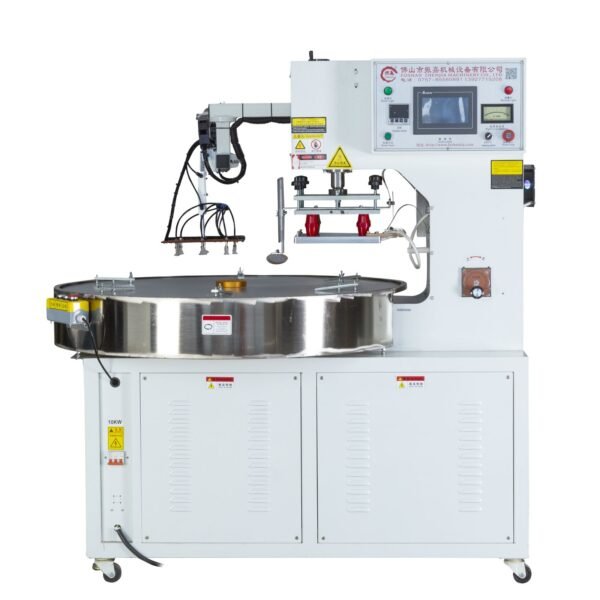
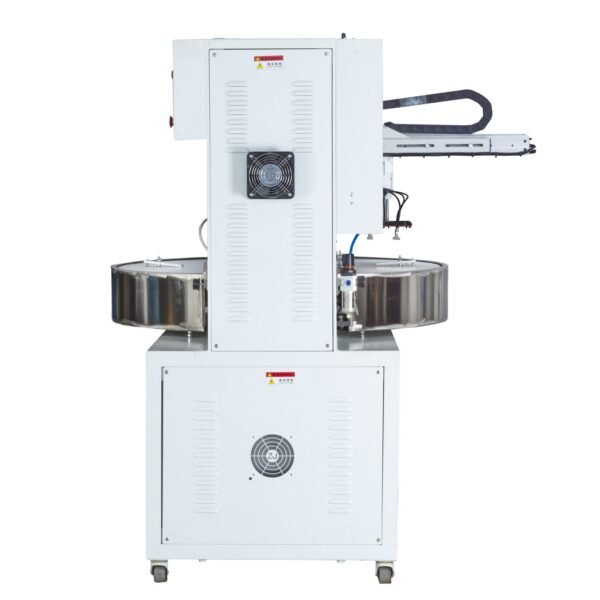
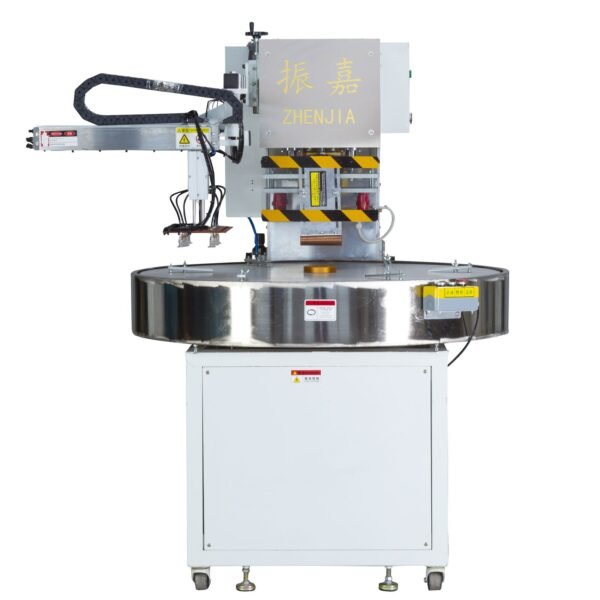
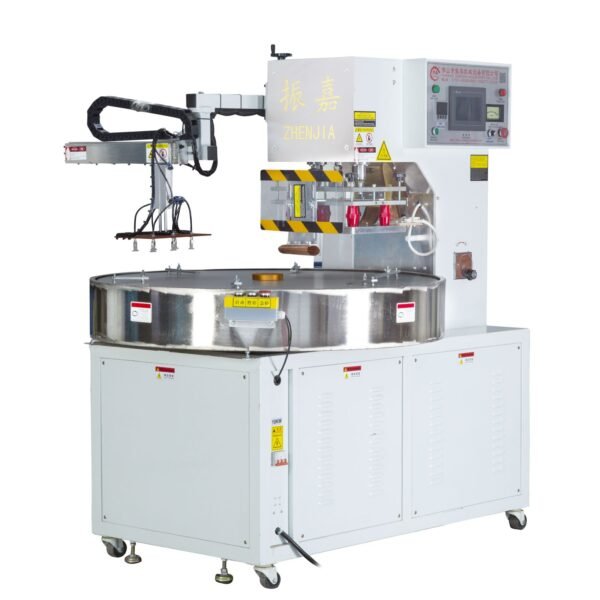
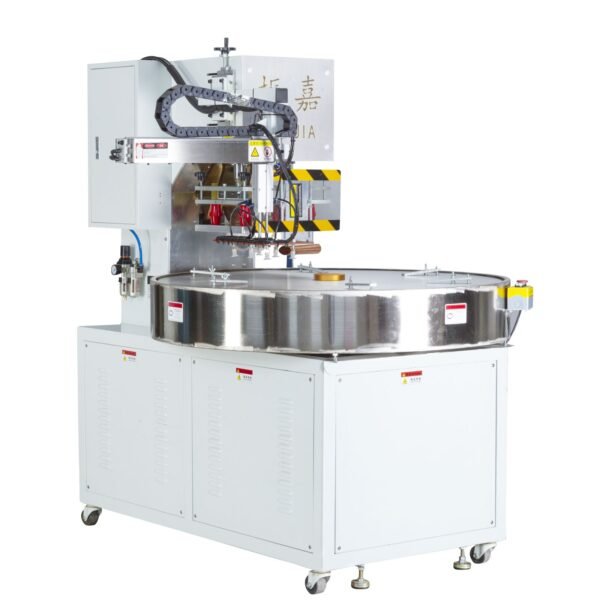
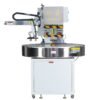
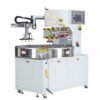
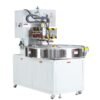
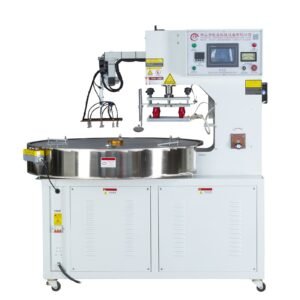
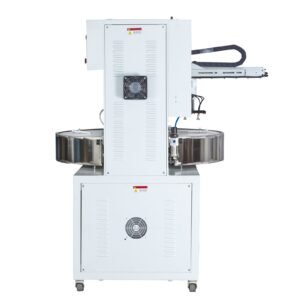
ZJ-8K-10K-ACRB 3-Station Rotary High-Frequency Welding Machine
The ZJ-8K-10K-ACRB is a professional-grade 3-station rotary high-frequency welding machine engineered for high-efficiency thermoplastic sealing and fusion. Available in 8kW and 10kW power configurations, this pneumatic system features a 1,000mm diameter rotary table and integrated PLC computer control. With specialized capabilities for PET and PETG automatic fusion and three robotic arms for automated material removal, it is designed to maximize throughput in demanding industrial environments while maintaining precision and operator safety.
Sample Display
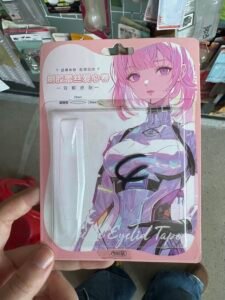
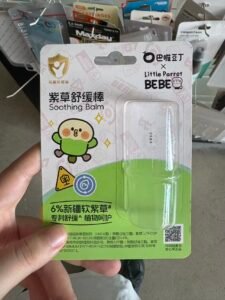
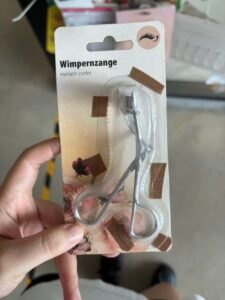
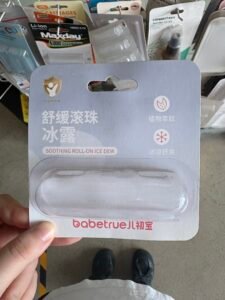
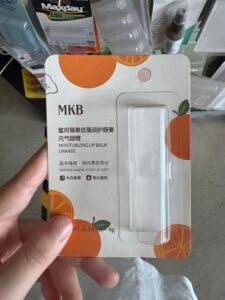
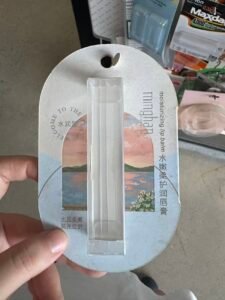
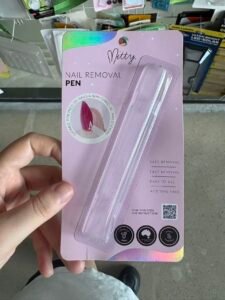
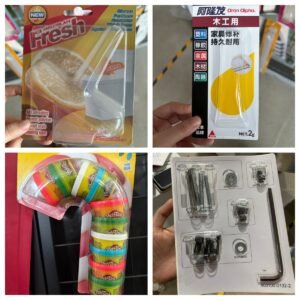
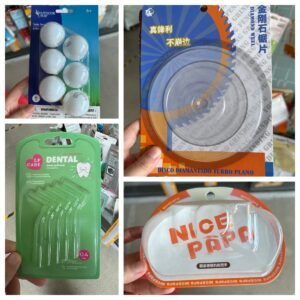
Zhenjia Machinery provides sample proofing service, and offers complete production process guidance and customized production solutions. If you need to check processed samples and product details, please contact us for physical samples or high-definition sample pictures to intuitively experience the processing accuracy and product effect of our machine.

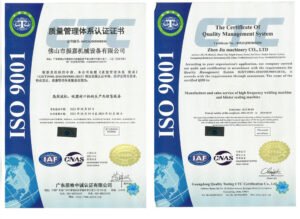
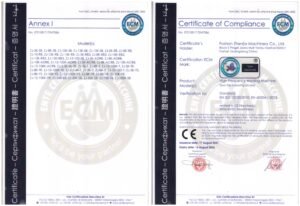
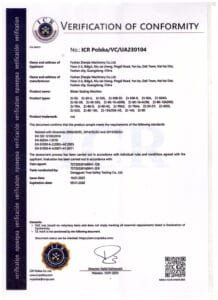
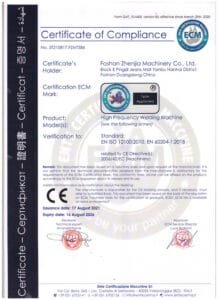
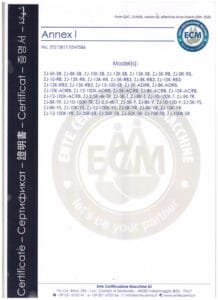
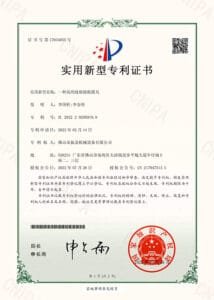
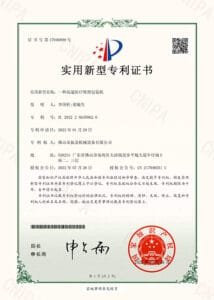
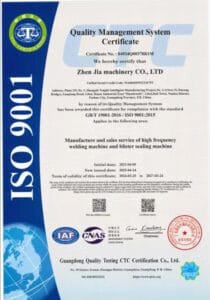
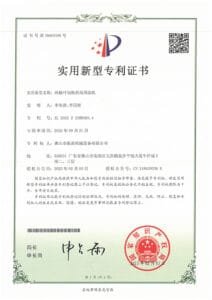
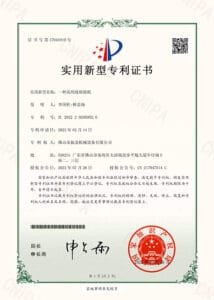
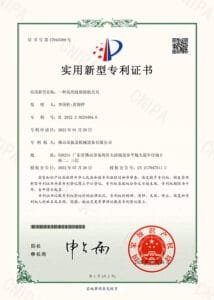
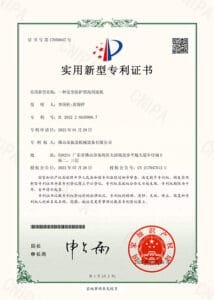
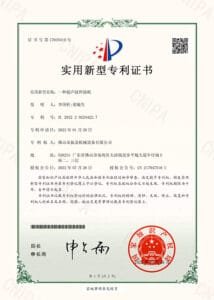
Our Certificate
Mold Supporting Service
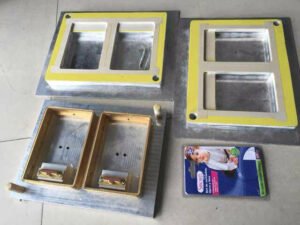
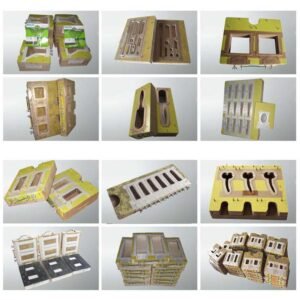
This machine can be equipped with various specifications of molds, suitable for processing products of different sizes and types. All molds are made of high-quality wear-resistant materials. We can provide customized molds according to customer product specifications, and offer professional mold maintenance guidance to extend mold service life and ensure continuous production.

Packaging & Delivery
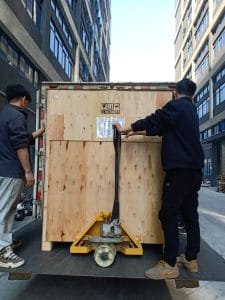
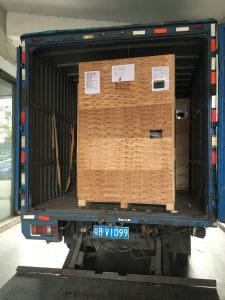
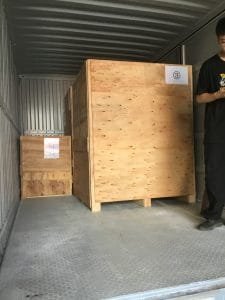
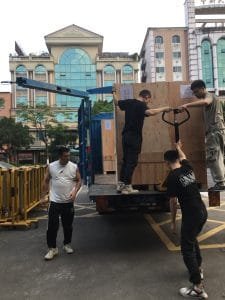
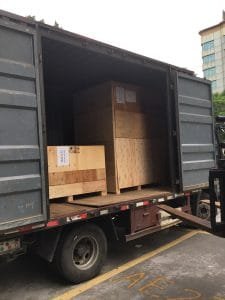
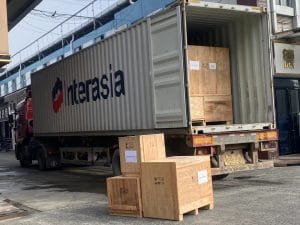
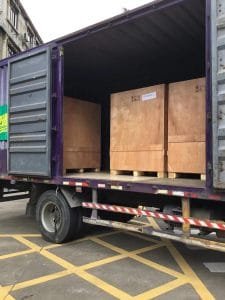
ZJ-8K-10K-ACRB 3-Station Rotary High-Frequency Welding Machine
The ZJ-8K-10K-ACRB 3-Station Rotary High-Frequency Welding Machine represents a significant advancement in automated thermoplastic processing. Designed by Zhenjia Machine, this high-performance system integrates high-frequency (HF) electromagnetic energy with a robust pneumatic drive to create precise, hermetic seals and clean fusion cuts. The machine is specifically configured with a three-station rotary table, allowing for simultaneous loading, welding, and unloading cycles that significantly reduce idle time and increase overall production capacity.
Technical Specifications and Electrical Configuration
The ZJ-8K-10K-ACRB is built on a heavy-duty chassis to handle the rigors of continuous industrial operation. The following specifications represent the recorded technical parameters for this model. Buyers should note that specific output values and dimensions are dependent on the final tooling configuration and material samples.
| Technical Parameter | Specification Value |
|---|---|
| Power Output | 8 kW / 10 kW |
| Number of Stations | 3-Station (Rotary) |
| Operating Frequency | 27.12 MHz or 40.68 MHz |
| Drive Type | Pneumatic |
| Rotary Table Diameter | 1,000 mm |
| Power Supply Requirement | 380 V |
| Control System | PLC Computer Control |
| Material Handling | Three Robotic Arms for Automatic Removal |
| Output Rate | Not specified; dependent on material and tooling |
| Machine Dimensions | Not specified |
| Certification Scope | Not specified; confirm with manufacturer |
Advanced Automation and Material Processing
A core differentiator of the ZJ-8K-10K-ACRB is its integration of PLC computer control. This allows for precise management of the welding cycle, including pressure application, HF oscillation time, and cooling phases. The automation suite is further enhanced by the inclusion of three robotic arms designed for automatic material removal. By automating the extraction of finished parts, the machine minimizes manual intervention, reduces the risk of operator fatigue, and ensures a consistent cycle time.
This model is particularly effective for specialized material sets. The catalog highlights its capability for automatic fusion and cutting of PET and PETG materials. High-frequency welding is often the preferred method for these polymers as it creates a bond that is as strong as the base material itself, without the need for external adhesives or solvents. The 1,000mm diameter rotary table provides ample space for complex tooling, making it suitable for a wide range of blister packaging, medical bags, and automotive components.
Regional Installation and Site Requirements
For industrial buyers in Southeast Asia, particularly in Malaysia, Indonesia, and Vietnam, specific site preparations are required to ensure the longevity and performance of the ZJ-8K-10K-ACRB. The standard recorded supply is 380 V, but local electrical infrastructure can vary.
- Voltage and Frequency: Site voltage and frequency must be verified before shipment. In regions with unstable power grids, the installation of a dedicated voltage stabilizer is highly recommended to protect the PLC and HF oscillation components.
- Environmental Controls: High-frequency equipment is sensitive to extreme humidity and heat. Facilities should plan for adequate ventilation and moisture control around the machine cabinet to prevent internal arcing or component degradation.
- Grounding and Safety: A verified factory earth ground is mandatory. Proper grounding is essential not only for operator safety but also to prevent electromagnetic interference (EMI) with other sensitive factory electronics.
- Pneumatic Supply: As a pneumatic drive system, the factory must provide a stable air supply. Pressure and consumption rates should be confirmed against the installation data sheet provided by Zhenjia Machine.
Safety Protocols and Routine Maintenance
The operation of high-frequency welding equipment requires strict adherence to safety standards to protect personnel from both mechanical and electrical hazards.
To maintain the ZJ-8K-10K-ACRB at peak performance, the following routine maintenance tasks should be integrated into the facility’s standard operating procedures:
- Daily Inspections: At the start of every shift, verify the functionality of emergency stop buttons and safety guard interlocks. Inspect pneumatic lines for leaks or signs of wear.
- Cleanliness: Keep the electrode, sealing head, and rotary table surface free of debris, plastic residue, and dust. Contaminants can cause arcing, which damages both the tooling and the machine.
- Lubrication: Follow the manufacturer’s lubrication schedule for all moving pneumatic components and the rotary table bearing assembly.
- Electrical Inspection: Periodically check electrical connections for tightness and inspect the HF oscillator tube and related circuitry for signs of overheating.
Selection FAQ
What are the primary applications for the ZJ-8K-10K-ACRB?
This machine is primarily used for the high-speed welding and fusion of thermoplastic parts, specifically PET and PETG blister packs, clamshell packaging, and industrial components requiring a 3-station rotary workflow.
Can the machine handle materials other than PET/PETG?
While optimized for PET/PETG fusion, the machine is compatible with various HF-weldable plastics. However, the material set is not fixed in the standard record; compatibility must be confirmed with actual samples and production tooling before purchase.
What is the benefit of the 3-station design?
The 3-station configuration allows for a continuous workflow: Station 1 for loading, Station 2 for the HF welding/fusion process, and Station 3 for automatic unloading via robotic arms. This maximizes the duty cycle of the HF generator.
Is certification included for international markets?
Certification requirements such as SIRIM (Malaysia), SNI (Indonesia), or CE must be checked for the exact model and configuration. Do not assume certification coverage without a valid certificate provided by Zhenjia Machine.
Ready to optimize your production line?
Request a technical configuration review for the ZJ-8K-10K-ACRB →
rotary high-frequency welding machine: selection and next steps
When comparing a rotary high-frequency welding machine, confirm the material, tooling, cycle time and site voltage before quotation. A rotary high-frequency welding machine should be matched to the actual product, output target and operator model, not only to the machine size.
Related machines
- ZJ-5K-8K-10K-RB3 Three-Station Rotary HF Welding Machine
- ZJ-5K-8K-10K-RB Single-Head Rotary HF Welding Machine
- ZJ-15K-ADRB Four-Station HF Welding Machine
Standards and references
For quality-management context, see NIST. For CE marking on machinery, see the European Commission CE marking guidance.