 TEL +86-13923172919
PVC Welding Methods Comparison: Discover Why HF Welding Stronger Than Hot Air for Tarpaulins, Medical Bags, and Inflatables
Two thermal methods dominate the field of joining thermoplastic films and sheets. Hot air welding melts the surface with a blast of heated gas. High frequency welding agitates the entire molecular structure from within. Both can fuse PVC. Both find their place on factory floors. Yet when seam strength, speed, and visual quality really matter, the internal heating mechanism of HF consistently delivers results that external hot air cannot match.
Grasping the physical difference behind high frequency welding vs hot air welding explains the performance gap. Hot air relies on conduction from the outside in. HF uses molecular friction that starts at the core of the material stack. This fundamental distinction shapes every metric that matters in production. The following comparison unpacks the principles, the strengths, and the right application for each process.
The Core Principle: Internal Molecular Heating vs. External Heat Transfer
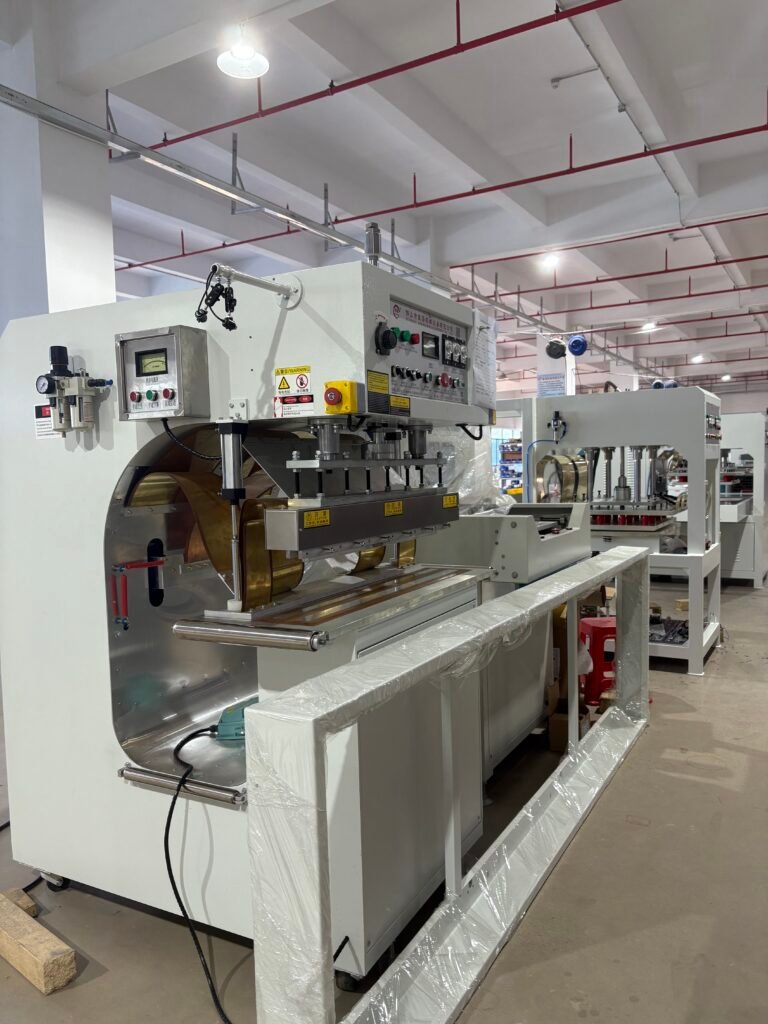
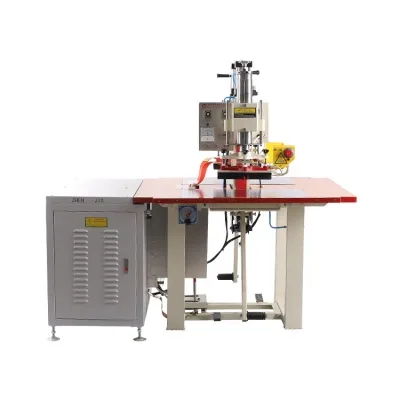
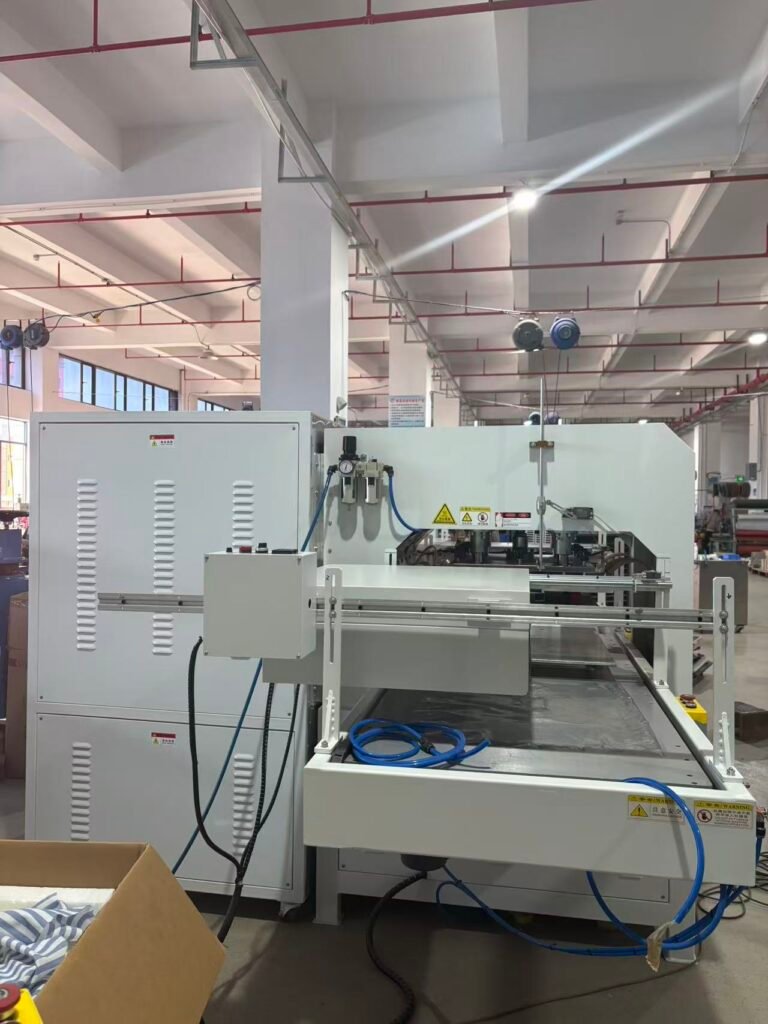
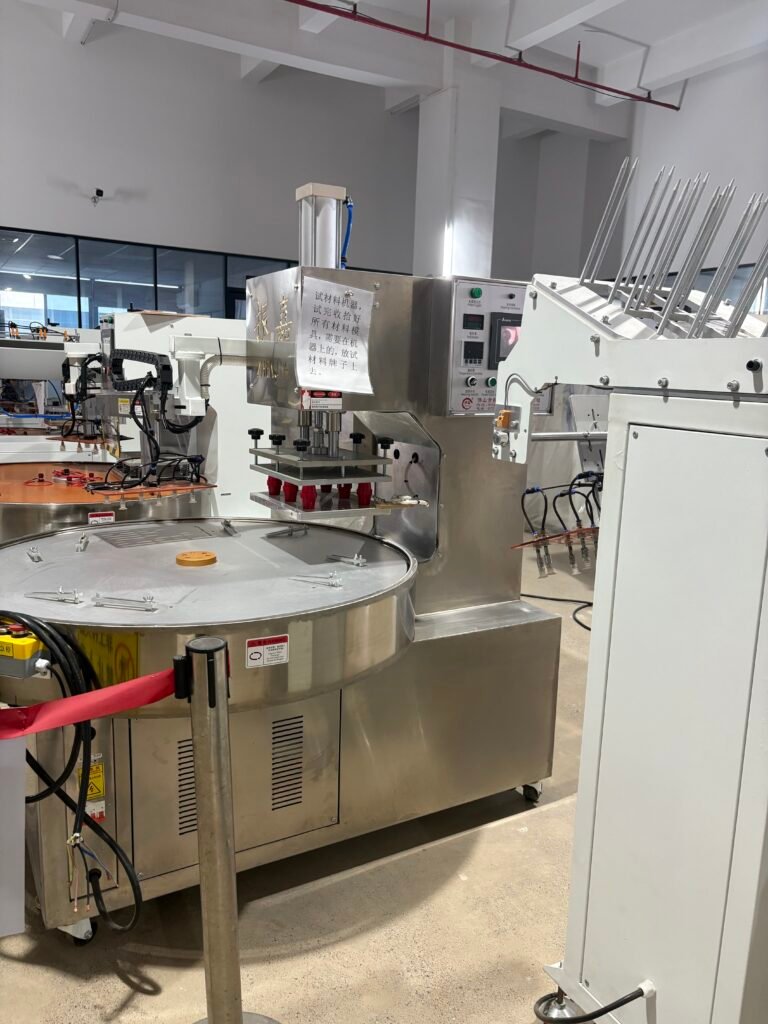
A high frequency welding machine functions like a microwave oven tuned for industrial plastics. An alternating electric field passes between two electrodes. Polar molecules inside the material—abundant in PVC, PU, and TPU—try to align with the rapidly flipping field. Their frantic vibration generates heat simultaneously through the entire material thickness. The very center of the weld stack reaches temperature just as fast as the layers touching the electrodes.
Hot air welding works more like a sophisticated hair dryer. A stream of heated gas, typically air, blows onto the material surface and the welding rod. Heat travels from the hot outer skin inward, layer by layer. Getting the bond line to melting point means first overheating the surface. Thick materials demand long preheat times. The process stops and starts with every pause in the work.
This internal heat plastic welding mechanism gives HF a decisive physics advantage. Energy appears exactly where you need it, at the joint interface. Hot air must push through the material’s natural insulating property to reach the same spot.
Weld Strength: Through-Bonding vs. Surface Glue
When you pull apart a seam, the difference between HF welding stronger than hot air results becomes obvious. HF welds tear through the parent material. Hot air welds often peel apart at the bond line.
High frequency energy fuses the two layers into one homogeneous cross-section. Polymer chains entangle across the original boundary. No foreign material sits between the plies. The peel strength can exceed 35 Newtons per centimeter on PVC film because the joint is the material itself. Leak tests on medical bags and inflatable boats consistently show the seal holds until the surrounding film bursts.
Hot air welding introduces a welding rod—a separate piece of plastic melted onto the seam. The bond between the rod and the base material depends on surface adhesion and a shallow melt layer. Trapped air, dust, or slight oxidation at the interface easily weakens it. Skilled operators produce good hot air welds, but the best of them remain surface attachments. They rarely match the cohesive strength of a through-fused HF joint.
Visual Appearance: Clean Edges vs. Beaded Profiles
Beyond strength, the RF welding vs heat sealing comparison extends to aesthetics. HF welding produces a flat, uniform seam with a smooth surface. The die edge often trims the part while it welds, leaving a precision-cut perimeter with no ragged flash. Embossing logos or textures happens simultaneously. The finished product looks molded rather than assembled.
Hot air welding leaves a raised bead of melted rod along the joint line. The bead adds thickness and stiffness. It also introduces a visible witness line where the rod meets the sheet. On applications like truck tarpaulins or industrial curtains, a robust bead signals durability. On consumer products like clear stationery or medical devices, that same bead looks clumsy and traps dirt. High-end aesthetic goods nearly always demand the invisible, integrated seam that only HF can deliver.
Production Speed: Single-Cycle Sealing vs. Continuous Travel
Cycle time tells another part of the PVC welding methods comparison story. An HF welding machine seals the entire perimeter of a part in a single 2‑ to 8‑second cycle. Multi‑cavity tooling multiplies output without multiplying time. A four‑cavity die produces four finished parts in the same single stroke. Feeding, pressing, and ejection happen in rapid sequence.
Hot air welding is a continuous process. The welder moves along the seam at a steady travel speed, usually between 0.5 and 4 meters per minute. A long straight seam on a tarpaulin welds quickly. A complex shape with tight corners requires slow, careful manipulation. The total processing time depends on the linear distance the nozzle must cover. For short seals on small items, hot air is slower per part. For kilometers of straight roofing membrane seams, a hot air automatic welder can cover ground that would require enormous HF tooling.
Speed comparisons always circle back to geometry. HF dominates when one press stroke replaces a long manual tracing path. Hot air dominates when the seam is a simple line and the workpiece is too large to fit inside any practical press.
Material Thickness and Thermal Damage
Thick materials expose the thermal cruelty of external heating. A 2‑millimeter PVC sheet needs its core to reach around 150 °C to flow. Hot air blasting the surface must exceed that temperature significantly to force heat inward. The outer skin can degrade, scorch, or discolor before the core ever softens.
Internal heating bypasses that race. The whole cross‑section rises in temperature together. Surface overheating rarely occurs unless the power setting is grossly misapplied. Even heavy truck tarpaulins and multi‑layer boat fabrics weld through completely with an HF machine without charring. For materials above 0.8 mm, the risk of surface damage with hot air climbs steeply. This is why thick, reinforced PVC products overwhelmingly rely on high frequency equipment.
Dielectric Material Requirements
HF welding works only with plastics that have polar molecular structures. PVC, PU, TPU, EVA, and PETG all respond well. Polyethylene, polypropylene, and PTFE do not. A manufacturer limited to non‑polar materials must look elsewhere. Hot air welding steps into that gap. It joins polyethylene pond liners, polypropylene tanks, and other polyolefins that high frequency cannot touch. The hot air process does not care about molecular polarity. It cares only that the material melts below its degradation point.
This material divide often sets the high frequency welding vs hot air welding decision before any other factor enters the room. Run PVC, and HF becomes the front‑runner. Run polyethylene, and hot air becomes the only practical thermal option.
Practical Application Mapping
Specific industries have already voted with their production lines. Medical bag manufacturers use HF welding because it produces sterile, airtight, particle‑free seals that survive centrifugation and pressure testing. The internal heating leaves no charred particles and no added rod material to shed. Inflatable products—boats, air mattresses, life jackets—depend on the leak‑proof, full‑thickness bond that HF delivers along every seam.
Hot air welding owns the roofing and geomembrane world. A traveling hot air welder crawls along massive PVC or polyethylene sheets, joining them into continuous waterproof membranes. The seams are long and straight. The raised bead even serves as a visual inspection aid. Tarpaulin repair work also favors hot air because the portable gun reaches places a fixed press never could. Custom fabrication shops use hot air to assemble tanks, ducts, and fittings from rigid plastic sheet where HF press access would be impossible.
Both technologies coexist peacefully because their sweet spots barely overlap. A shop that makes both inflatable toys and industrial ductwork might own one of each.
Choosing Between the Two
Answer a few questions about the work in front of you. Thick, flexible PVC with complex perimeters points straight to HF. Long straight seams on oversized panels point to hot air. A requirement for invisible, high‑strength, tamper‑evident seals points to HF. A need to weld polyolefins or to repair installed material points to hot air.
Budget matters too. Entry‑level HF machines cost more than hot air hand tools. The return on that higher investment comes through speed and quality on compatible products. Hot air starts cheaper and remains the practical choice for fieldwork and prototyping. When the production volume of HF‑compatible goods crosses a modest threshold, however, the per‑part cost advantage of HF quickly justifies the equipment price.
The Heat Is the Difference
High frequency welding vs hot air welding boils down to where the heat originates. Internal heat fuses the entire joint at once, creating a parent‑material‑strong bond with a clean, flat profile. External heat builds a surface bond, leaving a raised bead and a dependency on operator skill for consistency. Each process has its territory. Each territory is defined by material, geometry, and volume.
Match the heat source to the job and the joint takes care of itself. Run PVC pouches, tarps, or boats, and an HF machine becomes the most productive investment on the floor. Run miles of roofing membrane or odd‑shaped polyolefin fabrications, and hot air proves its worth every shift. The right choice turns a simple seam into a reliable, profitable product. The wrong one turns it into scrap. Let the physics, and your product, decide.