 TEL +86-13923172919
High Frequency Welding Machine for Automotive Seat Covers: Why HF Outperforms Sewing and Gluing with 20MPa+ Tensile Strength
The automotive interior manufacturing sector faces increasing pressure to produce durable, aesthetically flawless components at higher speeds. Traditional joining methods like sewing and gluing have served the industry for decades. Yet both approaches come with inherent limitations that become increasingly problematic as vehicle interiors grow more complex.
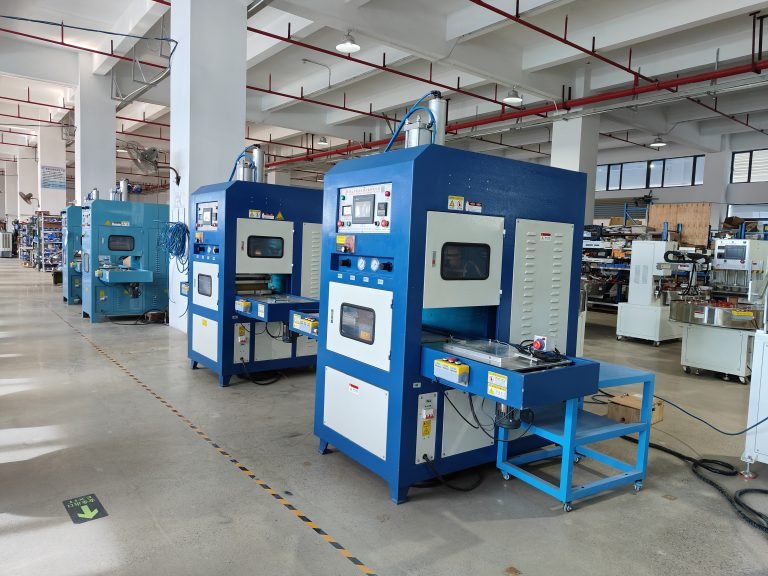
High frequency welding (HF welding), also known as radio frequency (RF) welding, offers a superior alternative. A high frequency welding machine automotive system uses 27.12 MHz electromagnetic energy to generate molecular friction directly within thermoplastic materials. The process creates a permanent bond without adhesives, solvents, or mechanical stitching.
This article explores why automotive manufacturers increasingly turn to HF welder for seat covers and interior components. We provide detailed tensile strength comparisons and examine applications from seat covers to door panels and sun visors.
Understanding HF Welding: How Molecular-Level Fusion Creates Superior Bonds
A PVC car mat welding machine or HF welder operates on a fundamentally different principle than conventional joining methods. The machine places two or more layers of thermoplastic material between precision electrodes. High-frequency electromagnetic energy then passes through the materials, causing polar molecules to vibrate intensely and generate heat from within.
This internal heating mechanism provides a critical advantage. Unlike hot air welding that applies heat from the outside, HF energy generates the highest effect at the center of the material layers being joined. Thicker materials can be welded without overheating surface layers.
The result is a molecular-level fusion. HF welding does not simply glue materials together or hold them with thread. It restructures molecular chains at the contact interface, creating a bond that can approach the strength of the parent material itself. This automotive interior HF welding process delivers consistent, repeatable results through electronically controlled welding parameters.
Tensile Strength Showdown: HF Welding vs. Sewing vs. Gluing
The most compelling argument for HF welding lies in the numbers. Independent testing reveals dramatic differences in bond strength, durability, and long-term reliability between the three joining methods.
HF Welding Strength Data:
HF welding achieves exceptional tensile strength across multiple automotive interior applications. Testing shows welding strength reaches 20MPa or higher, significantly exceeding the automotive industry standard of ≥15MPa. In seat dust cover applications, bonding strength measures 35N/cm with 100% fatigue resistance pass rate.
Multi-layer automotive interior composites achieve peel strength exceeding 25N/cm when using HF technology. HF-welded airbag components demonstrate 50% higher welding strength compared to alternative methods, with gas leakage rates dropping from 5% to 0.1%.
When a welded seam undergoes stress, the load is absorbed by the fused material surfaces rather than concentrated on a weaker bonding agent. This fundamental difference explains why HF welds maintain integrity under conditions that cause stitched or glued seams to fail.
Gluing: Lower Strength and Environmental Concerns:
Glued assemblies typically achieve bonding strength ≤8N/cm, significantly below HF-welded joints that reach 12N/cm or higher. Glue joints deteriorate over time due to temperature fluctuations, humidity exposure, and chemical aging. Adhesives also introduce volatile organic compounds (VOCs) that compromise in-cabin air quality and face increasing regulatory restrictions.
Sewing: The Perforation Problem:
Stitching creates thousands of needle perforations through the material. Each stitch hole becomes a potential entry point for moisture, dirt, and bacteria. Sewn seams are neither airtight nor waterproof, which poses serious problems for components like seat ventilation systems and door panel seals.
Traditional stitching also creates visible seams wider than 3mm. HF welding achieves weld width control within 0.6–1.2mm, producing cleaner, more precise join lines. This narrower seam width contributes directly to improved aesthetics and reduced material waste.
Performance Comparison at a Glance:
| Performance Metric | HF Welding | Sewing | Gluing |
|---|---|---|---|
| Tensile/Bonding Strength | 20MPa+ / 35N/cm | Variable, depends on thread | ≤8N/cm |
| Air/Water Sealing | ✓ Airtight & Waterproof | ✗ Perforated | ✗ Degrades over time |
| VOC Emissions | Near Zero | None | High |
| Weld/Seam Width | 0.6–1.2mm | >3mm | Variable |
| Process Speed | 1–10 seconds per cycle | Slow, labor-intensive | Requires curing time |
| Durability Over Time | Molecular bond | Thread wears | Adhesive ages |
Why Sewing and Gluing Fall Short in Modern Automotive Interiors
Beyond tensile strength, modern automotive manufacturing imposes requirements that sewing and gluing simply cannot meet.
The Sealing Imperative: Today’s vehicles integrate ventilation systems, lumbar support airbags, and smart surface electronics. Each of these features demands airtight or waterproof seals. Sewn seams cannot achieve reliable sealing. Glued seams eventually degrade and leak. HF welding produces permanent, hermetic seals that maintain integrity throughout the vehicle lifecycle.
Speed and Automation: A push plate HF welding machine or automated shuttle system completes a weld cycle in seconds. Sewing remains a sequential, labor-intensive process. Gluing requires clamping time and extended curing periods that disrupt continuous production flow. HF welding integrates directly into automated production lines, with some configurations achieving 450 units per hour.
Aesthetic Expectations: Premium vehicle interiors demand seamless surfaces with no visible stitching or glue lines. HF welding creates smooth, uniform transitions between joined materials. The process also enables simultaneous embossing of logos, patterns, and textures during the welding cycle, eliminating secondary operations.
Regulatory Compliance: Global regulations increasingly restrict VOC emissions from automotive interiors. HF welding eliminates adhesives entirely, helping manufacturers meet standards like the EU ELV directive and China 6 requirements.
Key Automotive Interior Applications: Seat Covers, Door Panels, and Sun Visors
The versatility of RF welding automotive parts extends across the entire vehicle interior. Here are the three most impactful application areas.
Car Seat Covers and Seat Components:
HF technology revolutionizes seat cover manufacturing in multiple ways. Seat cover embossing achieves precise 3D logos and anti-slip textures within 3 seconds, with the welding temperature precisely controlled at 180–220°C. Foam-to-fabric bonding eliminates glue while maintaining material breathability, increasing air permeability pass rates from 78% to 95%.
Seat ventilation systems benefit from HF-welded TPU airbags that achieve 40% higher welding strength with 99.7% airtightness pass rates. Dust covers welded to metal frames demonstrate 35N/cm bonding strength and 100% fatigue resistance. These performance gains directly translate to improved product reliability and reduced warranty claims.
Car Door Panels and Interior Trim:
Door panel manufacturing involves complex material stacks, often combining PVC fabric, sponge layers, and laminated backing. HF welding machines handle these multi-layer composites with precision. Custom tooling adapts to different door panel sizes, ensuring consistent weld quality across varied vehicle models.
The technology also creates decorative stitch patterns without actual thread. Custom engraved electrodes press precise seam-like impressions into the material surface while simultaneously welding the underlying layers. This approach reduces manufacturing costs by 40% while improving waterproof performance.
Sun Visors and Additional Applications:
Sun visors present unique challenges with their curved profiles and fabric-wrapped edges. HF welding machines equipped with annular knife dies achieve traceless edge sealing on sun visor coverings. A dual-blade system cuts the material with the first blade and presses a 0.3mm sealing line with the second blade, eliminating the risk of fabric peeling.
Additional applications include floor mats with embossed patterns and logos, trunk carpets with sealed edges to prevent liquid penetration, and headliners with robust multi-layer bonding. The PVC car mat welding machine configuration is particularly effective for floor mat and carpet applications, combining welding with decorative embossing in a single operation.
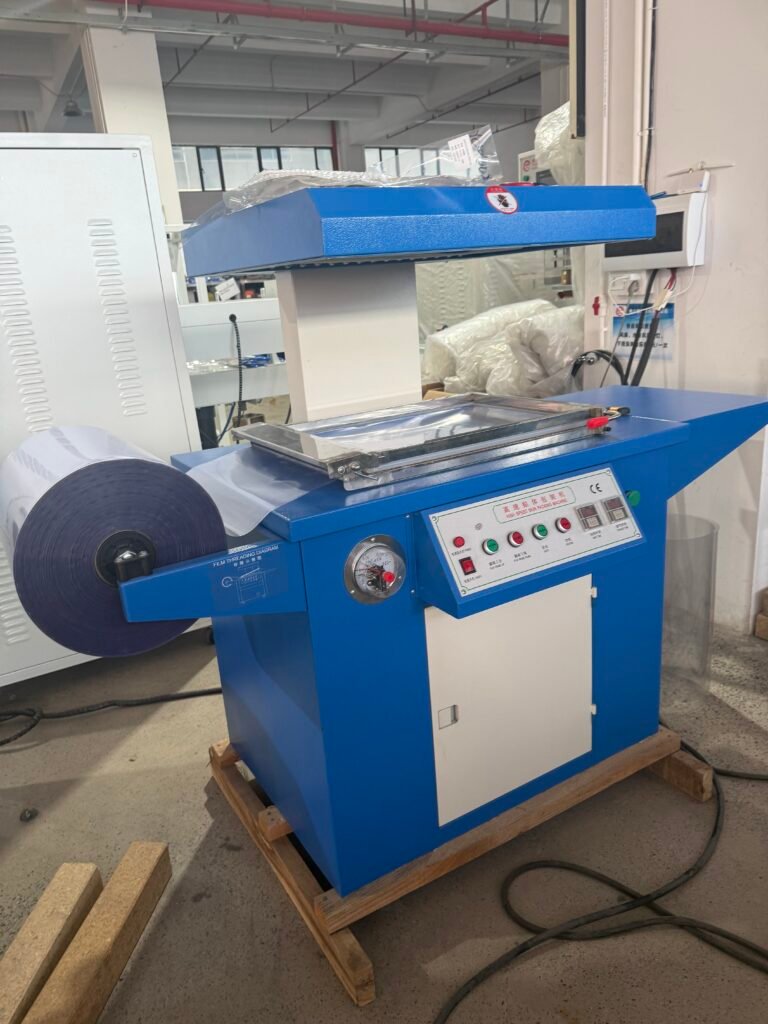
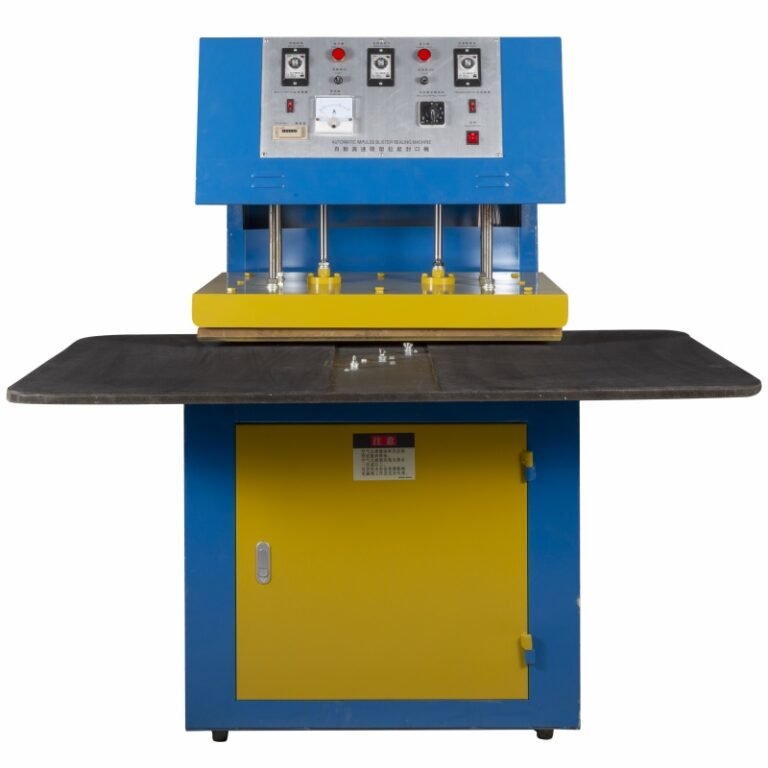
Choosing the Right Equipment: Push Plate HF Welding Machine vs. Shuttle HF Welding Machine
Selecting the appropriate HF welding equipment depends on production volume, part complexity, and automation requirements.
Push Plate HF Welding Machine:
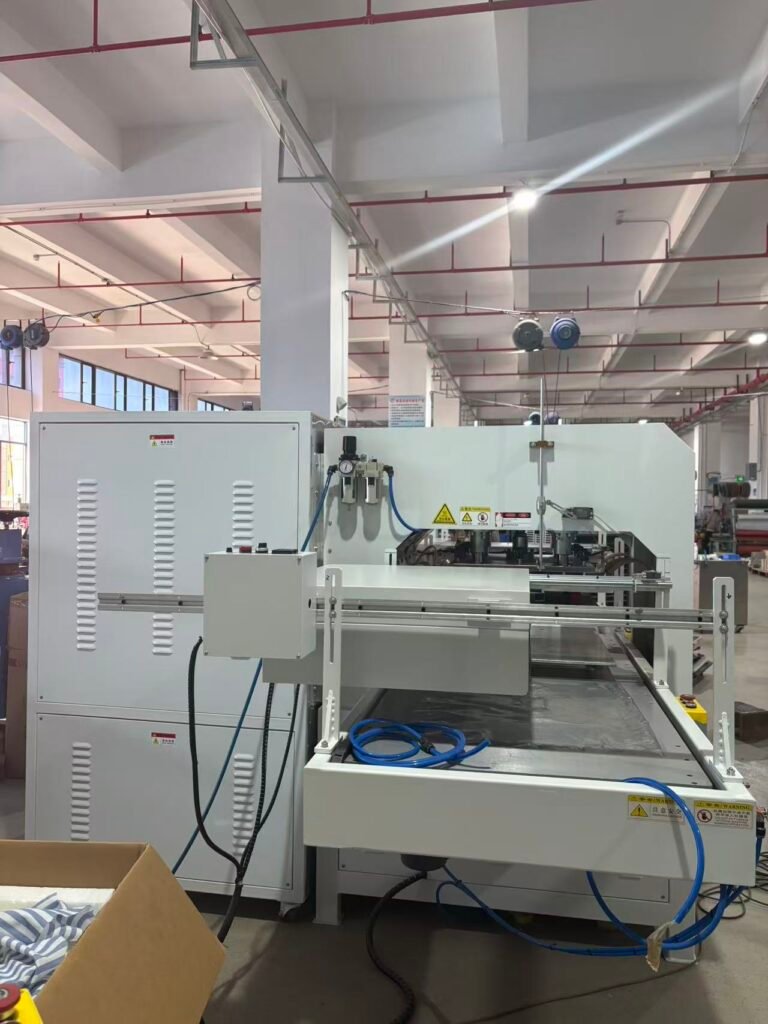
This configuration uses a manual plate feeding mechanism, making it an ideal choice for low-volume production runs, prototyping, and custom automotive interior parts. The design offers high flexibility with broad pressure and time adjustment ranges. Mold changeover typically takes less than five minutes.
Push plate systems work well for manufacturers producing premium seat trim components in smaller quantities or for operations that require frequent product changeovers. The lower initial investment and operational simplicity make these machines accessible to smaller suppliers and specialty manufacturers.
Shuttle HF Welding Machine:
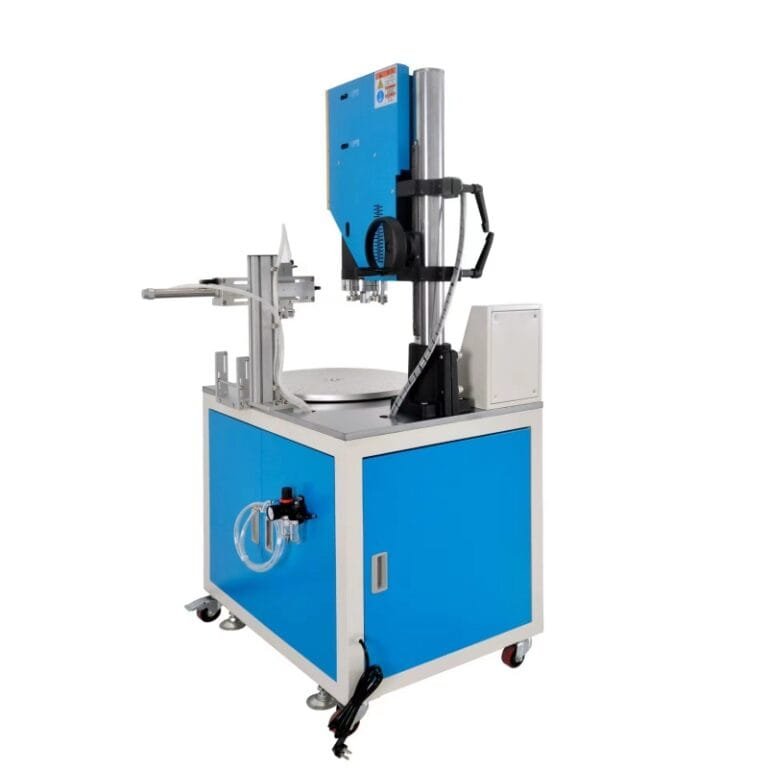
Shuttle systems incorporate bidirectional sliding tables that enable continuous processing workflows. The operator loads material on one table while the other undergoes welding. This overlapping operation increases efficiency by approximately 40% compared to conventional single-station machines.
These automated systems suit medium to high-volume production environments. Applications include continuous processing of sun visors, multi-component acoustic foam assemblies, and seat ventilation bag production. The 12kW models deliver 8 tons of pressure with welding cycles as short as 3 seconds, supporting demanding production schedules.
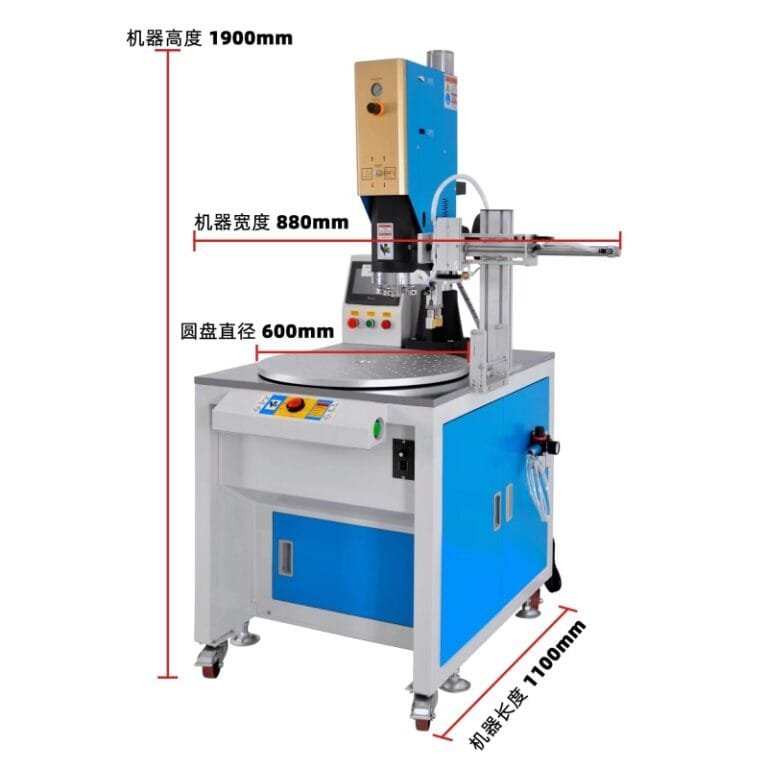
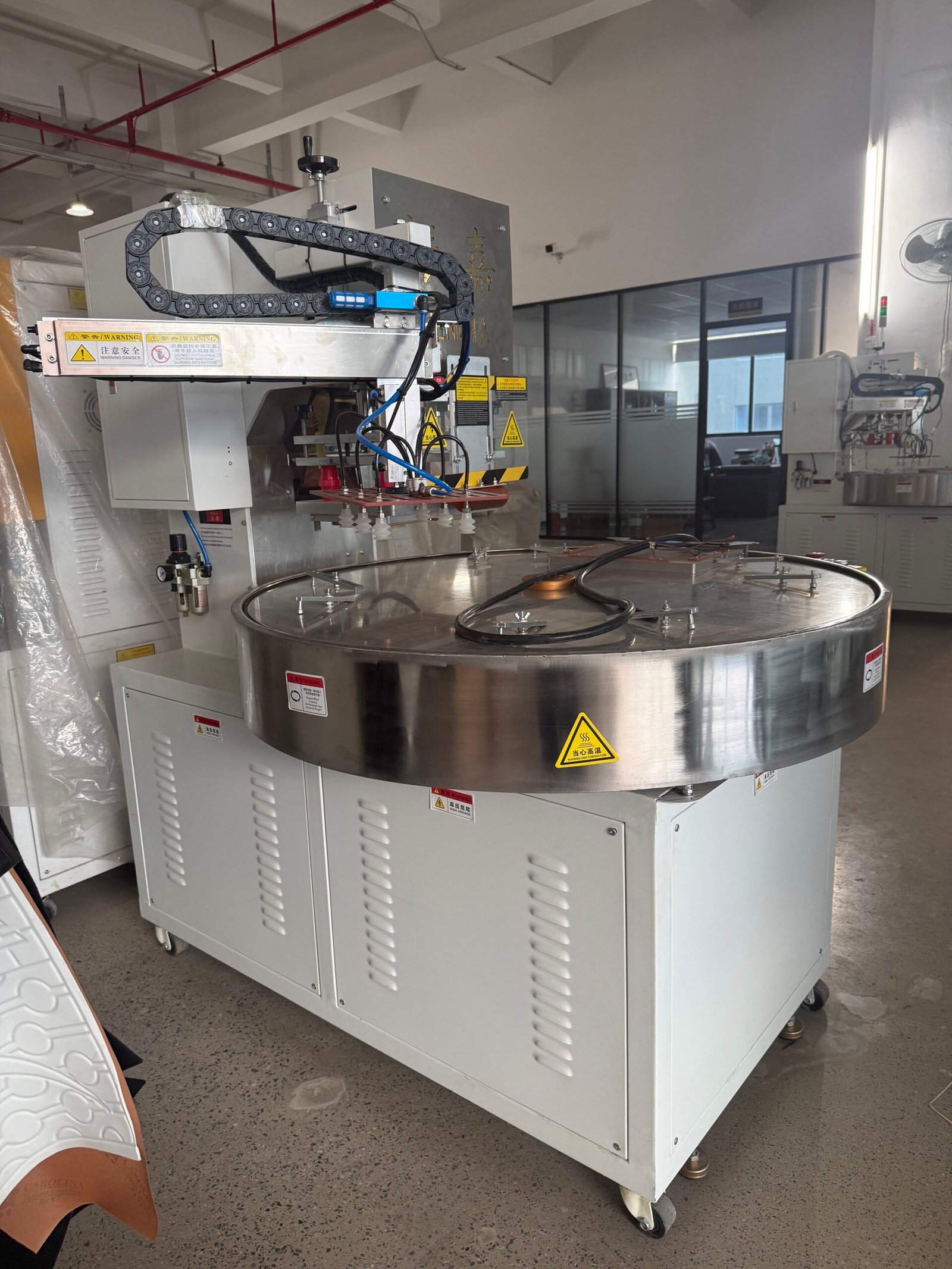
For the highest production volumes, fully automated rotary machines with multi-station tables can achieve daily output of 4,500 pieces per 8-hour shift.
The Future of Automotive Interior HF Welding
As automotive interiors continue evolving toward lightweight construction, smart surfaces, and enhanced comfort features, HF welding stands at the forefront of enabling technologies. The process supports emerging materials like carbon fiber composites and bio-based thermoplastics. It enables the integration of electronic components through precise, low-temperature welding that preserves circuit integrity.
automotive interior HF welding has moved beyond being a mere alternative to sewing and gluing. It is now the preferred solution for manufacturers seeking to combine exceptional bond strength, airtight sealing, superior aesthetics, and production efficiency. The data speaks clearly: HF welding delivers 20MPa+ tensile strength, 35N/cm bonding strength, and zero-VOC processing. For seat covers, door panels, sun visors, and PVC car mats, HF technology represents the definitive advancement in automotive interior manufacturing.