 TEL +86-13923172919
the Future of Fashion Texturing: A Guide to Clothes Embossing Machines
Introduction: The “Tactile Revolution” in Apparel
In a saturated apparel market, flat prints no longer capture the consumer’s desire for luxury and durability. Brands now leverage the Clothes Embossing Machine to engineer a critical competitive advantage: texture. By merging high-pressure dynamics with precise thermal energy, these systems transform basic cotton, technical polyesters, and natural leathers into high-value assets featuring striking 3D artistry. This guide walks you through the core technologies and helps you select the right equipment for tomorrow’s demand.
1. The Core Technology Stack for Fabric Embossing
Selecting the right machine requires understanding how energy is delivered to the material. We break down the primary systems dominating the market today:
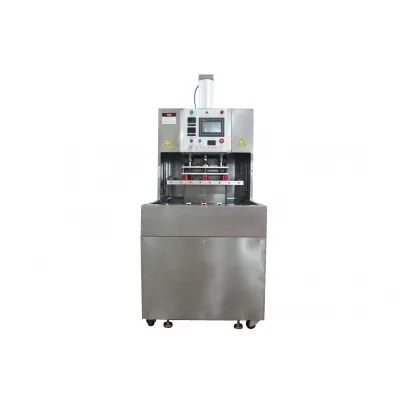
- Silicone Embossing Machines: The top choice for premium athleisure and streetwear brands. How it works: Operators inject liquid silicone into a mold. The machine applies heat and pressure, curing the silicone so it chemically bonds into the fabric fibers, not just onto them. Why it wins: The result is a stretchable, wash-resistant, and soft-touch graphic that remains flexible. It is also an eco-friendly alternative to PVC .
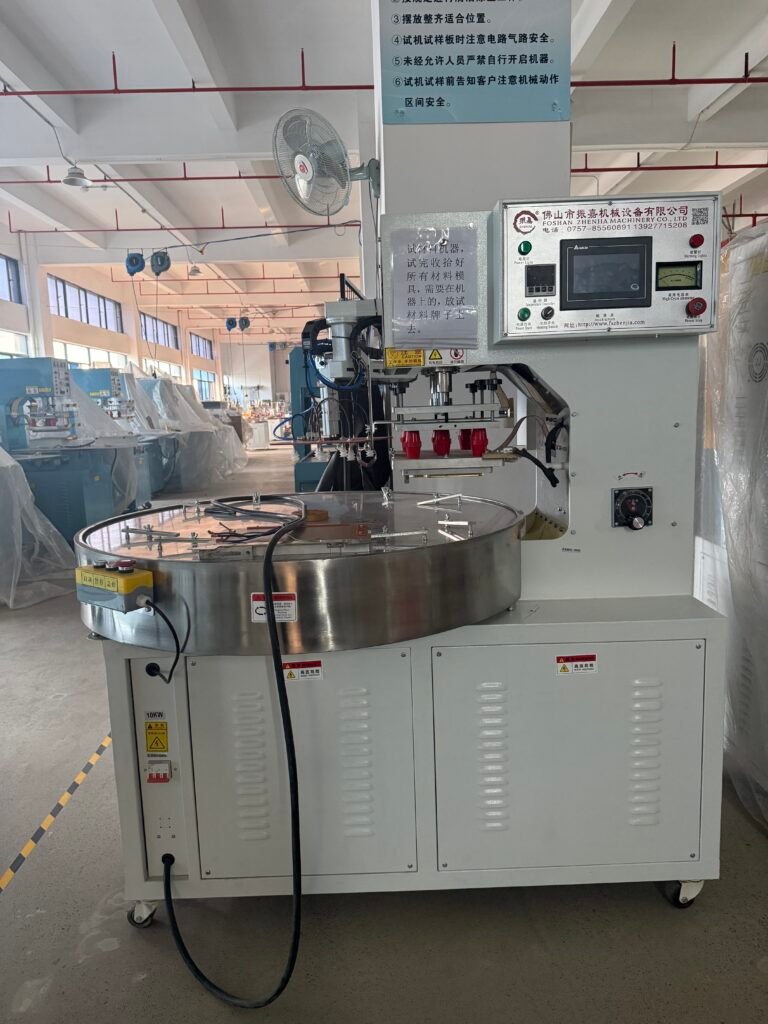
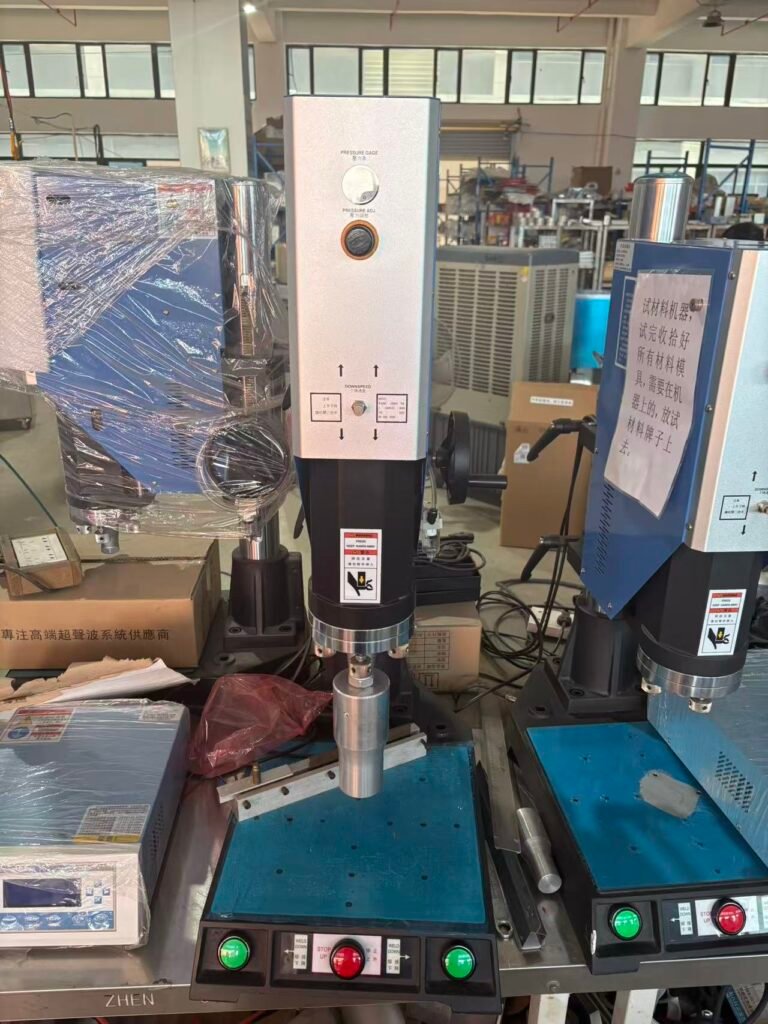
- High-Frequency (HF) & Ultrasonic Embossers: These systems use electromagnetic waves or ultrasonic vibration to agitate molecules within the material, generating instant heat for welding and texturing. Application tip: Use HF for PVC and synthetic blends. Use Ultrasonic for “stitchless” seams and anti-leakage channels in down jackets.
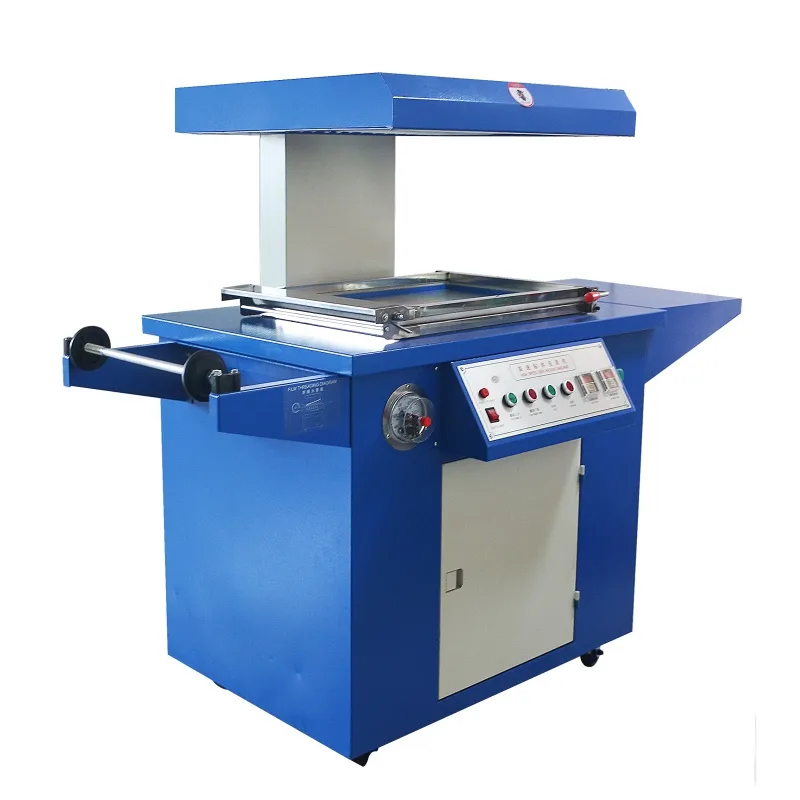
- Hydraulic Fabric Embossing Machines: When you need immense, uniform pressure across an entire roll of fabric (like velvet or microsuede), hydraulic systems deliver. They excel in continuous processing for home textiles and large-surface outerwear patterns.
2. Dominant Trends Shaping the Embossing Industry in 2026
- Texturing for Performance: We are moving beyond decoration. Designers now utilize embossing to create micro-channels that wick moisture away from the skin or to increase abrasion resistance on high-wear areas of performance gear.
- The Green Material Shift: Global regulations are pushing manufacturers away from plastisol and PVC. The market now demands machines capable of processing Liquid Silicone Rubber (LSR) seamlessly, as it meets Oeko-Tex standards and is free from phthalates .
- Micro-Factory Agility: Fast fashion and limited drops require flexibility. Semi-automatic machines with “quick-change” mold systems allow small studios to pivot between jobs in minutes, serving the creator economy efficiently.
3. Mastering the Process: Technical Parameter Reference
Achieving a crisp, permanent 3D relief requires balancing three variables: Time, Temperature, and Tolerance. Use the chart below as a baseline for your material settings. Always test on a sample swatch first.
| Fabric Type | Recommended Process | Temperature Range | Pressure Guidelines | Critical Notes |
|---|---|---|---|---|
| Cotton/Polyester Blends | Silicone Embossing | 160°C – 180°C | Medium-High | Ideal for silicone adhesion; provides the best “pop” for 3D logos . |
| 100% Polyester (Synthetic) | High-Frequency / Ultrasonic | 80°C – 120°C (for heat assist) | Low (2-3 bar) | High risk of melting. HF welding is safer as it targets the material molecule structure without external heat . |
| Natural Fibers (Cotton, Linen) | Hydraulic / Silicone | 140°C – 160°C | Medium | Pressure too high can crush fibers and cause a shiny, “glazed” look. |
| PVC / Vinyl Coated Fabrics | High-Frequency (HF) | N/A (HF generates internal heat) | Medium-High (5-8 bar) | The material itself is the consumable; ensure proper die alignment to avoid cutting through the material . |
4. Automation Deep Dive: Equipment Comparison
Your production volume dictates your automation needs. A single operator on a manual press has very different requirements than a factory fulfilling mass retail orders. Here is how the current market stacks up for automated solutions.
| Feature | Semi-Automatic / Single Station | Dual-Slide Table | Rotary 4-Station |
|---|---|---|---|
| Best For | Sampling, Startups, Low-Volume Custom | Medium Production, 1-Person Shops | High-Volume Mass Production |
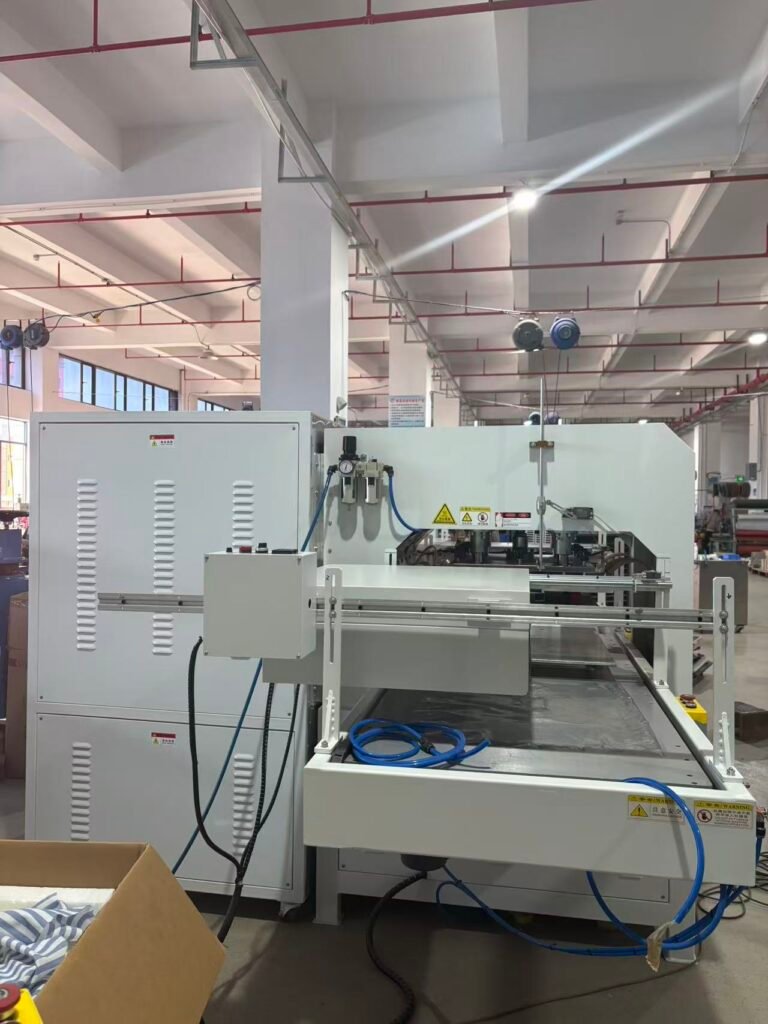
| Workflow | Load, Press, Unload, Repeat | Load on one side while the other presses; zero downtime. | Continuous rotation; one operator loads/unloads while other stations press/cool. |
| Temperature Range | Up to 190°C (Digitally Controlled) | Up to 190°C (High Precision) | Up to 190°C (Multi-Zone Control) |
| Pressure System | Pneumatic (Air-Driven) | Pneumatic / Hydraulic options | Hydraulic (for max consistency) |
| Platen Size | Customizable (e.g., 40x60cm) | Customizable | Large Format / Customizable |
| Safety Features | Basic Guards | Dual Hand Safety Start, Light Curtains optional | Full Enclosure, Light Curtains mandatory |
| Key Advantage | Low investment, high flexibility. | Maximizes operator efficiency; “load while you press” eliminates waiting. | Ideal for complex, multi-stage curing; consistent pressure across all items. |
5. Buyer”s Checklist: Securing Your Investment
Before purchasing a Clothes Embossing Machine, verify these engineering specifics:
- Thermal Stability: Insist on aluminum heating plates with digital PID controllers. This ensures the temperature variance stays within ±2°C across the entire platen, preventing edge-to-edge inconsistencies .
- Frame Rigidity: Look for a sturdy steel frame. Flex in the frame translates to uneven pressure on the die, ruining fine details.
- Safety Protocols: Does the machine feature photo-electric safety sensors? In high-volume pneumatic presses, this is non-negotiable to protect operators during the fast cycle times.
Conclusion
A Clothes Embossing Machine is the designer”s brush for the tactile age. Whether you are an eco-conscious brand utilizing silicone or a high-fashion house demanding deep hydraulic impressions, integrating the right automation and understanding your material parameters ensures your product stands out on the rack and lasts in the customer”s wardrobe.