 TEL +86-13923172919
The Ultimate Guide to Blister Packaging Machines: How to Choose the Best Equipment for Your Products in 2026
Introduction: Why is a Blister Packaging Machine Key to Product Protection?
A blister packaging machine is equipment that seals products in a cavity formed from transparent plastic film (the blister) bonded to a backing material (like aluminum foil or paperboard). It is widely used in industries such as pharmaceuticals, food, cosmetics, medical devices, and electronic components for secure and protective packaging. These machines achieve encapsulation through heat sealing or adhesive technologies, and often integrate functions like batch number printing and perforation for easy opening, providing comprehensive product protection and display.
The global blister packaging machinery market is experiencing robust growth, driven by increasing demand from the packaging industry. According to recent market research, the global blister packaging machinery market is projected to grow from $27.2 billion USD in 2025 to $29.62 billion USD in 2026, representing a compound annual growth rate (CAGR) of 8.9%. This growth is primarily fueled by increased packaging needs in the pharmaceutical sector, rising demand for tamper-evident packaging, and expansion in the consumer goods manufacturing industry.
Whether you are a pharmaceutical company, food producer, or electronics manufacturer, choosing the right blister packaging machine is crucial for product quality, production efficiency, and cost control. This article will guide you through the essential selection criteria, technical specifications, and purchasing considerations.
1. Working Principle and Basic Classification of Blister Packaging Machines
Working Principle
The fundamental working principle of a blister packaging machine involves heating a thermoplastic film (such as PVC or PET) until it softens, then forming it into blisters using either vacuum suction or compressed air. Products are then filled into these formed cavities, and finally, a lidding material (aluminum foil, paperboard, etc.) is heat-sealed to the film to complete the package.
This thermoforming process utilizes the vacuum created by a pump or positive pressure from compressed air to shape the softened plastic sheet over or into a mold, creating various shapes of blisters, trays, or clamshells.
Main Types
Based on structure and forming method, blister packaging machines are generally categorized into three main types:
| Type | Working Principle | Features | Suitable Applications |
|---|---|---|---|
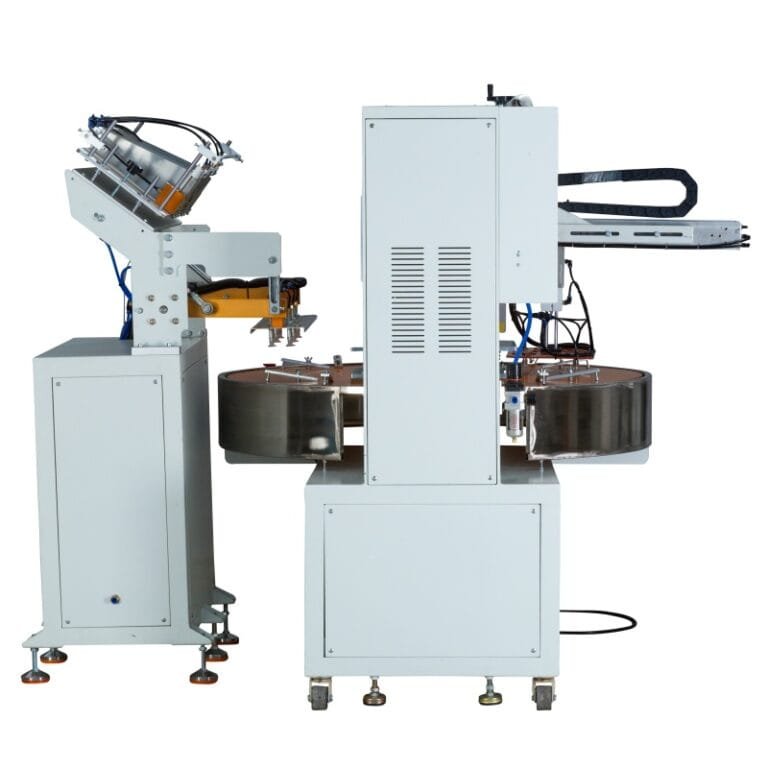
| Rotary (Roll) Blister Packaging Machine | Vacuum forming using negative pressure; rotary drum heat sealing | Continuous operation, high efficiency, ideal for large-scale production | Pharmaceuticals, capsules, standard-shaped products |
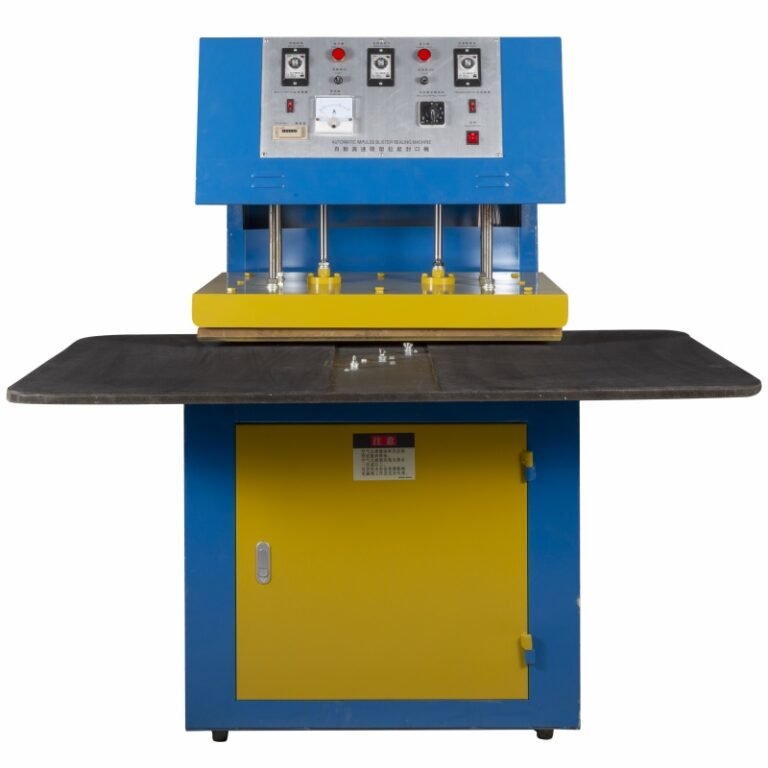
| Flat-Plate (Platen) Blister Packaging Machine | Compressed air forming using positive pressure; flat-plate heat sealing | Excellent forming quality, easy mold change | Irregularly shaped products, small batches with high variety |
| Roll-Plate (Combination) Blister Packaging Machine | Flat-plate positive pressure forming; rotary drum sealing | Combines advantages of both, high speed and stability | High-speed automated production lines |
Furthermore, based on the forming technology, they can be classified into Thermoforming and Cold Forming. Thermoforming is suitable for plastic films, while Cold Forming (e.g., Alu-Alu blisters) is used for products requiring extremely high barrier protection. It forms the cavity by mechanically pressing aluminum foil at room temperature.
2. Key Decision Factors When Purchasing a Blister Packaging Machine
When planning to purchase a blister packaging machine, you need a comprehensive evaluation based on the following key dimensions:
2.1 Technical Specifications and Production Capacity
Speed and Output: The machine’s speed directly determines your production capacity. Different models vary significantly in speed, from 15-25 cycles per minute to high-speed models capable of 60-180 cycles per minute. Choosing the right model based on your expected output is critical—undersizing creates bottlenecks, while oversizing wastes capital.
Forming Area and Depth: The blister dimensions are directly limited by the machine’s forming area and depth. Ensure the machine’s forming range covers your current products and potential future product sizes.
Material Compatibility: Different machines support various packaging materials, including PVC, PET, PVDC, Cold-Form Foil, and biodegradable films. If your product line involves multiple materials, choosing a machine with broad compatibility offers greater flexibility.
2.2 Machine Configuration and Automation Level
Modern blister packaging machines typically feature PLC control systems, servo drives, and touchscreen HMI (Human-Machine Interface) for precise control over temperature,行程 (stroke/length), and fault diagnosis. Advanced configurations include:
- Vision Inspection Systems: Automatically detect blister integrity, missing products, and seal quality.
- Automatic Rejection Function: Promptly removes defective products, ensuring packaging quality.
- Quick Changeover Systems: Significantly reduces product changeover time, improving Overall Equipment Effectiveness (OEE).
- IoT Connectivity: Enables predictive maintenance and remote diagnostics.
2.3 Quality and Reliability
Investing in a blister packaging machine is a long-term decision; the equipment’s durability and reliability directly impact Return on Investment (ROI). When evaluating suppliers, pay attention to:
- Key Component Brands: Reputable brands for PLCs, servo motors, and sensors (e.g., Siemens, Omron).
- Manufacturer Certifications: Compliance with industry standards like ISO certification, CE marking.
- Customer Reviews & Case Studies: Refer to existing customer experiences and repeat purchase rates.
- Delivery Track Record: Supplier’s on-time delivery rate and after-sales service response time.
2.4 Flexibility and Versatility
If your product portfolio is diverse and requires frequent changes between different package specifications, machine flexibility is paramount. Features to look for include:
- Quick Change Mold Design: Modular mold designs enabling rapid changeover.
- Adjustable Parameter Range: The range over which parameters like temperature, pressure, and speed can be adjusted.
- Multi-function Integration: Whether the machine supports forming, filling, sealing, and die-cutting in one integrated unit.
2.5 Total Cost of Ownership (TCO) and Return on Investment (ROI)
The purchase price is only part of the cost. The true Total Cost of Ownership also includes:
- Energy Consumption: Power requirements vary significantly between models (e.g., from 2.1kW to 13kW).
- Tooling Costs: The cost of custom molds and the frequency of replacement.
- Maintenance: Time and cost of spare parts for routine maintenance.
- Material Efficiency: The machine’s scrap rate directly impacts material costs.
- Operator Requirements: The level of automation determines the number and skill level of operators needed.
3. Blister Packaging Solutions for Different Industries
Pharmaceutical Industry
The pharmaceutical industry has the most stringent requirements for blister packaging, needing to meet GMP standards and ensure drug stability and safety. Key considerations include:
- High-Barrier Materials: For moisture-sensitive drugs, Alu-Alu blisters (cold-formed) provide an近乎完美的屏障 (near-perfect barrier), with minimal water vapor and oxygen transmission rates.
- Peelability: Easy-to-use push-through or peel-open designs for patient convenience.
- Serialization & Traceability: Support for printing and reading pharmaceutical traceability codes.
Applicable Products: Tablets, capsules, vials, medical devices
Food Industry
Food blister packaging needs to focus on shelf life, visual appeal, and food safety. The growing demand in the food sector is a significant driver for the blister packaging machinery market, with applications expanding from snacks and candy to ready meals and dairy products.
Applicable Products: Chocolates, candies, gum, jellies, ready meals
Consumer Goods & Electronics
Blister packaging for consumer electronics and small household items emphasizes display effectiveness and protection.
Applicable Products: Batteries, razor heads, toothbrushes, hardware, toys, stationery
4. Comparison of Common Blister Packaging Formats
Based on product characteristics and protection needs, you need to choose the most suitable blister packaging format. Here is a detailed comparison of two high-barrier packaging types:
| Comparison Dimension | Soft Strip (Double Foil) Packaging | Alu-Alu Blister Packaging |
|---|---|---|
| Structure | Product sealed between two layers of flexible aluminum foil laminate | Pre-formed cavity in cold-form foil base + aluminum foil lidding |
| Barrier Properties | 近乎完美的屏障 (Near-perfect barrier – WVTR/OTR approaches zero) | 近乎完美的屏障 (Near-perfect barrier – WVTR/OTR approaches zero) |
| Physical Protection | Flexible structure, lower compression resistance | Rigid pre-formed cavity, high compression resistance |
| Opening Method | Typically requires tearing open; can be difficult for some users | Easy to push through or peel open; high patient friendliness |
| Material Efficiency | High material utilization, less waste | More material used for flange area, slightly higher cost |
| Suitable Products | Standard shaped tablets, capsules | Irregularly shaped tablets, large pills, pressure-sensitive products |
Selection Advice:
- Choose Soft Strip Packaging: Suitable for high-volume standard products where material cost control is a priority.
- Choose Alu-Alu Blister Packaging: Suitable for high-value, sensitive, or irregularly shaped products where patient convenience and physical protection are critical.
5. Common Operational Mistakes and How to Avoid Them
Even with high-quality equipment, improper operation can lead to inefficiency and quality problems. Here are common mistakes when operating a blister packaging machine:
5.1 Not Following Correct Setup Procedures
Before starting production, temperature settings, conveyor speed, and pressure levels must be adjusted based on product characteristics. Failure to follow correct setup procedures can lead to misalignment, jamming, and material waste.
Avoidance Method: Establish Standard Operating Procedures (SOPs) including checklists for each product’s parameters. Ensure settings are reconfirmed every time products are changed.
5.2 Neglecting Regular Maintenance and Cleaning
Regular cleaning removes dust, debris, and residue that can affect machine performance. Lubricating moving parts, checking for wear, and replacing old components are also essential maintenance tasks.
Avoidance Method: Develop a preventive maintenance schedule including daily, weekly, and monthly task lists.
5.3 Using Incorrect Material Specifications
Using incompatible or low-quality packaging materials can lead to sealing issues, product contamination, and compromised package integrity.
Avoidance Method: Always refer to the manufacturer’s material guidelines and establish an incoming material inspection process.
5.4 Improper Material Loading
Loading too much or too little material can affect packaging quality and efficiency, leading to jams, feeding errors, and sealing defects.
Avoidance Method: Train operators on correct material loading procedures and post clear operating instructions on the machine.
5.5 Skipping Quality Checks
Failing to continuously monitor packaging quality during production can allow defective products to reach customers, leading to complaints and compliance issues.
Avoidance Method: Implement in-line quality monitoring systems and perform regular sampling checks for seal integrity, product accuracy, and appearance quality.
6. Optimizing the Procurement Process: A Five-Step Approach
Based on industry best practices, consider optimizing your blister packaging machine procurement using this five-step framework:
Step 1: Define Requirements Clearly
- Output Speed (pieces/minute or cycles/minute)
- Product Specifications (size range, shape, materials)
- Facility Conditions (voltage, space, compressed air availability)
- Budget Range (initial investment and operating costs)
Step 2: Data-Driven Supplier Shortlisting
- Shortlist based on delivery consistency, repeat order rates, and customization scope.
- Focus on suppliers specializing in equipment for your specific industry.
Step 3: Technical Communication
- Use video calls to assess the supplier’s communication clarity and technical depth.
- Request customer references, equipment videos, and layout drawings.
Step 4: Performance Verification
- Request sample trial runs using your actual products and packaging materials.
- Evaluate cycle stability, seal integrity, and recovery capability from material jams.
Step 5: Service Term Negotiation
- Confirm if installation guidance, spare parts availability, and software updates are included in the contract.
- Clearly define warranty period and service response times.
Important Note: For cross-border procurement, consider milestone-based payments tied to deliverables—deposit on order placement, partial payment after receiving trial run video, final payment after final acceptance.
7. Market Trends and Future Development
Understanding industry trends can help make more forward-looking procurement decisions:
1. Fully Automated Line Integration
More companies seek seamless integration of blister packaging machines with cartoners and case packers/palletizers for end-to-end automated packaging processes.
2. Widespread Adoption of Vision Inspection
Machine vision integration is increasingly common for in-line inspection of package quality, product integrity, and print accuracy.
3. Sustainable Packaging Solutions
Growing demand for eco-friendly materials (biodegradable films, mono-material structures) and energy-efficient equipment. Some leading manufacturers emphasize design philosophies focused on reducing carbon footprint during production and use.
4. Smart Connectivity Features
IoT-enabled devices facilitate predictive maintenance, remote diagnostics, and production data traceability.
5. Need for Quick Changeover
Quick-change systems adaptable to small-batch, multi-variety production are becoming a key competitive advantage, significantly boosting production efficiency.
8. Conclusion: Make an Informed Procurement Decision
Choosing the right blister packaging machine is a decision requiring comprehensive consideration of multiple factors. Summarizing the key points:
✅ Clearly Define Product Needs: Product characteristics, packaging specifications, and production volume are the primary considerations.
✅ Balance Technology and Budget: Find the optimal balance between automation level, capacity, and investment cost.
✅ Value Supplier Strength: Focus on the manufacturer’s industry experience, after-sales service reputation, and customer testimonials.
✅ Consider Long-Term Development: The equipment should accommodate future product expansion and technology upgrades.
Whether you are a pharmaceutical company needing high-barrier Alu-Alu blisters or a food producer seeking high-speed automated packaging lines, a deep understanding of these decision factors will help you choose the optimal blister packaging solution.
[Foshan Zhenjia Machinery] offers a full range of blister packaging equipment, from standard models to customized production lines, meeting the packaging needs of different industries and business scales. Our team of engineers can provide professional technical consultation and solutions to ensure you achieve the best return on your investment.
Frequently Asked Questions (FAQ)
Q: What are the main industries that use blister packaging machines?
A: Primarily pharmaceuticals (tablets, capsules), food (candy, chocolate), medical devices, cosmetics, electronics, and small hardware.
Q: What is the difference between Thermoforming and Cold Forming blisters?
A: Thermoforming forms blisters by heating and softening plastic film using vacuum or air pressure. Cold forming forms blisters by mechanically pressing aluminum foil at room temperature, providing extreme barrier protection suitable for products highly sensitive to moisture and oxygen.
Q: How do I evaluate the production efficiency of a blister packaging machine?
A: Key indicators include punching/cutting speed (cycles/minute), forming area, mold changeover time, reject rate, and Overall Equipment Effectiveness (OEE).
Q: What is the typical delivery lead time?
A: Standard models typically take 30-45 days. Customized configurations (special molds, servo feeders, PLC programming) can take 60-75 days.
Q: Do you provide installation and training services?
A: Most suppliers offer remote video guidance for installation. Some offer on-site commissioning services (usually at an additional cost). Reputable manufacturers provide operation manuals and training.