 TEL +86-13923172919
The Ultimate Guide to Bag Sealing Machines: Technologies, Types, and Selection Criteria
Introduction: The Critical Final Step in Packaging
In the modern supply chain, packaging does far more than just contain a product. It preserves freshness, prevents tampering, and builds brand identity. The bag sealing machine performs the crucial final step in this process. The quality of that seal directly impacts your product’s shelf life and its safety during transport. Whether you need a small manual unit or a fully automated high-speed line, choosing the right sealing technology is essential for maximizing your production efficiency.
1. Core Sealing Technologies Explained
Understanding how different sealing machines work is the first step in making the right choice. Today, three main technologies dominate the market:
1.1 Impulse Sealing Technology
- How It Works: A high current instantly heats a nichrome ribbon only when the sealing bar presses down. The ribbon then cools rapidly while still under pressure.
- Key Advantages: Low energy consumption, high safety (the bar stays cool between cycles), and it produces a clean, flat seal.
- Ideal Materials: Thermoplastic bags like polyethylene (PE) and polypropylene (PP).
1.2 Constant Heat Sealing Technology
- How It Works: The sealing jaw maintains a consistent, pre-set temperature at all times.
- Key Advantages: Offers strong penetration power, making it ideal for tough, multi-layered materials.
- Ideal Materials: High-melting-point materials such as aluminum foil bags, kraft paper composite bags, and Mylar films.
1.3 Ultrasonic Sealing
- How It Works: High-frequency mechanical vibrations create friction, generating heat directly within the material molecules to form a weld.
- Key Advantages: Requires no preheating and can seal through light contamination like liquids or powders on the sealing area.
- Best Applications: High-end food packaging and sterile medical device packaging.
2. Main Types of Industrial Bag Sealing Machines
To meet diverse production scales, bag sealers have evolved into several distinct formats:
| Machine Type | Operation Mode | Production Speed | Best Applications |
|---|---|---|---|
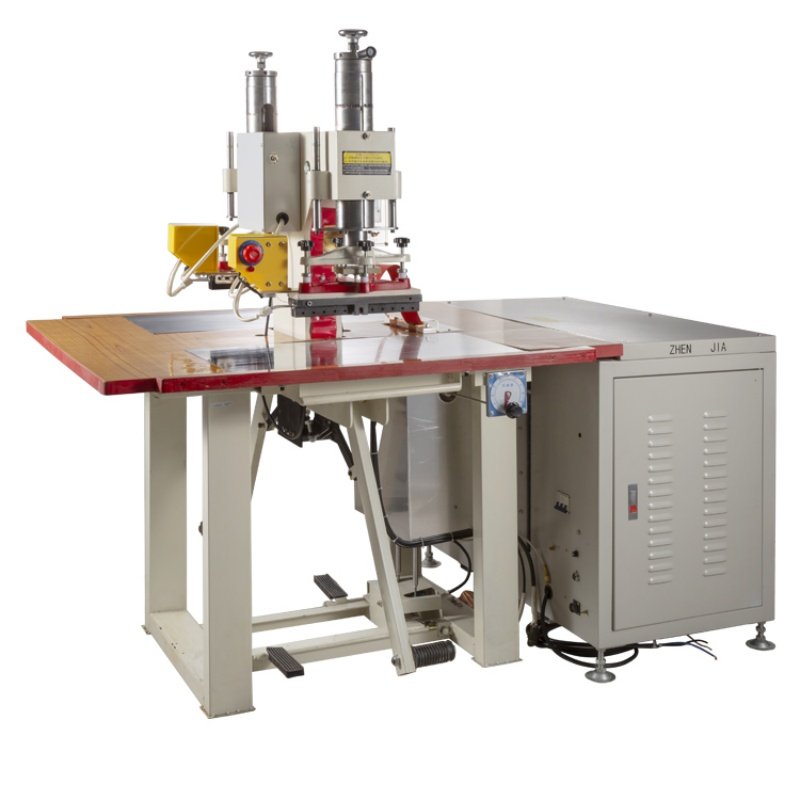
| Manual/Foot-Operated Sealer | Manual pressure | Low (1-5 bags/min) | Laboratories, retail shops, small workshops |
| Continuous Band Sealer | Automatic conveyor feed | High (20-60+ bags/min) | Food production lines, high-volume parts packaging |
| Vacuum Bag Sealer | Air evacuation + sealing | Medium | Fresh meat, preventing oxidation of electronics |
| Heavy-Duty Bag Sealer | Hanging or floor-standing | Medium | 25kg fertilizer bags, building materials, chemical powders |
3. How to Choose the Right Bag Sealing Machine: A Strategic Guide
When planning your purchase, we recommend evaluating your needs across these four key dimensions:
3.1 Material Compatibility
Different film thicknesses and compositions require different heat levels. For example, composite bags thicker than 0.15mm typically need dual-side heating or a continuous band sealer to ensure heat penetrates properly for a strong bond.
3.2 Seal Width and Integrity
Your required seal strength dictates the necessary width. The medical industry often requires a seal width of 8mm to 10mm or more to pass strict peel tests, while a width of 2mm to 5mm is usually sufficient for standard food packaging.
3.3 Environmental and Hygiene Requirements
- Food & Pharma: You must choose a machine with a stainless steel (304/316) frame. This ensures it resists rust and is easy to clean and sanitize.
- Explosive Environments: For chemical powder packaging, the machine needs an explosion-proof motor and static electricity eliminators for safety.
3.4 Automation and Integration Capability
Consider whether the sealer needs to work in a line with fillers or labelers. Modern continuous band sealers often feature RS485 interfaces or PLC control systems, allowing for data integration within an Industry 4.0 framework.
4. Maintenance and Troubleshooting Tips
Follow these essential maintenance procedures to ensure your equipment runs reliably for years:
- Regularly Replace Wear Parts: The Teflon (PTFE) heat-resistant tape is a primary consumable. Replace it immediately if it burns or chars, as a damaged tape will cause uneven seals.
- Adjust Pressure Correctly: Insufficient sealing pressure leads to weak seals that may leak. Conversely, excessive pressure can cut through the film, ruining the bag.
- Check the Cooling System: On continuously running machines, ensure the cooling fan functions properly. Overheating is a common cause of transformer failure.
Conclusion
A bag sealing machine is far more than a simple closing tool; it’s a precision instrument that safeguards your product’s quality. As the flexible packaging market continues its rapid growth, machines featuring high-precision temperature control and intelligent monitoring capabilities are becoming the industry standard for ensuring consistent, reliable results.