 TEL +86-13923172919
Matters needing attention in the operation of high frequency machines
High-Frequency Machine Operation Precautions
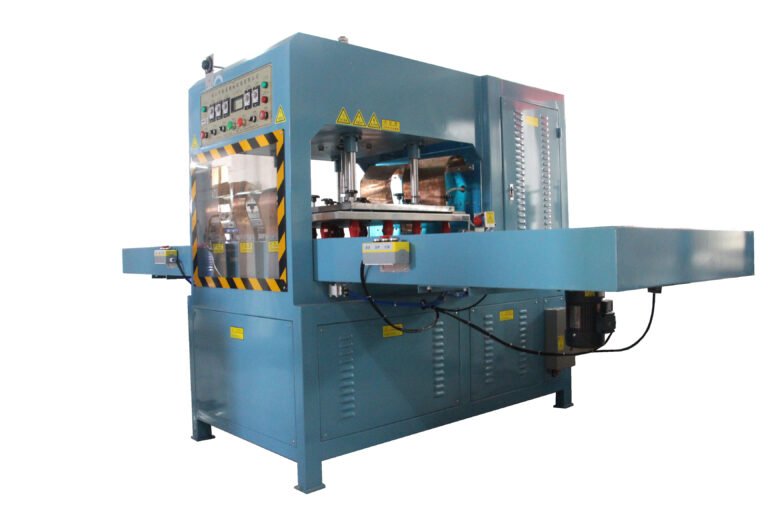
The following guidelines outline key precautions for operating high-frequency machines. Adhering to these practices will help extend your machine’s service life, ensure smoother operation, and significantly reduce the risk of fire.
1. Grounding & Personal Safety
Before operation, ensure the ground wire is properly connected. This is crucial for completing the circuit loop and ensuring operator safety. Do not wear slippers or operate the machine with wet hands during use, as this can generate significant static electricity. Always maintain insulation between the machine’s upper and lower electrodes (or molds); they must never make direct contact, especially when workpieces are not in place.
2. Proper Warm-Up
Allow a 5-15 minute warm-up period after starting the machine before beginning high-frequency operations. This preheats the electronic vacuum tube and protects its lifespan. For extended idle periods, warm up for at least 30 minutes prior to operation to better safeguard the high-frequency tube.
3. Spark Handling
If sparking occurs, first check if the mold surface is flat and smooth. If not, level it or adjust the balance screws. Then, inspect the workpiece surface for cleanliness and ensure insulating materials are intact. Immediately replace any damaged, burned, or punctured insulation to prevent direct electrode contact, which can damage the machine, mold, or workpiece. For severe spark marks, clean and scrape the affected mold area thoroughly to reduce the chance of recurring sparks.
4. Output Safety
Never directly touch the machine’s upper electrode output end (welder upper die), output copper sheet, or the high-frequency oscillator head with metal objects during operation. Avoid using multimeters, testers, or other low-frequency/low-voltage instruments to measure the upper electrode output directly, as this may cause accidents and is strictly prohibited.
5. Operating Environment
High-frequency vacuum tubes generate significant heat during operation. Do not place the machine near other high-heat sources, in high-temperature spaces, or in direct sunlight, as poor heat dissipation can damage key components. Operate the machine in a clean, well-ventilated environment to extend its service life.
6. Workpiece & Environment Dryness
Workpieces must be as dry, dust-free, clean, and dry as possible. Damp or dirty materials can easily cause fires. In humid conditions, open the chassis (after turning off the main switch to avoid electric shock) and check the transformer for moisture. If present, wipe it dry and use a hair dryer if necessary.
7. Correct Shutdown Sequence
After completing work, first turn off the high-frequency function, then turn off the main power switch. This allows the internal fan to continue running, dissipating heat from the chassis and protecting electronic tubes and components.
8. Fan Monitoring
Upon startup, you should hear the cooling fan operating. If the fan is silent, immediately shut off the main power and arrange for technical maintenance. Insufficient cooling will quickly damage the high-frequency tube.
9. Regular Maintenance
Every two weeks, after shutting down and disconnecting power, use an air gun to remove dust from inside the machine and the high-frequency oscillator barrel. This reduces dust-induced sparking. Wipe the machine surface with a dry cloth (not damp) and clear debris from under the worktable. Do not place conductive objects on the machine. Finally, ensure the main power switch is off.