 TEL +86-13923172919
How does the blister packaging machine avoid the phenomenon of sticking to the mold
How Blister Packaging Machines Work & Solving Mold Sticking Issues
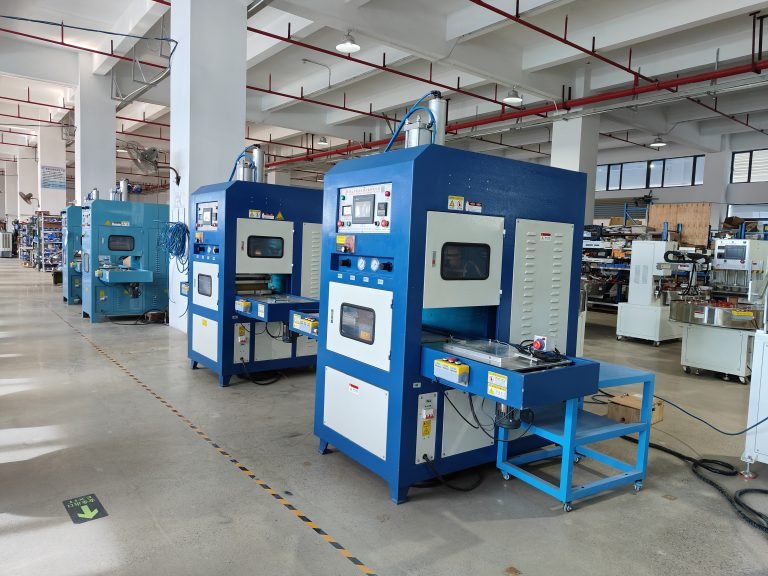
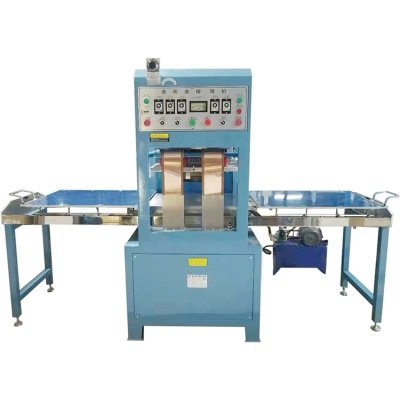
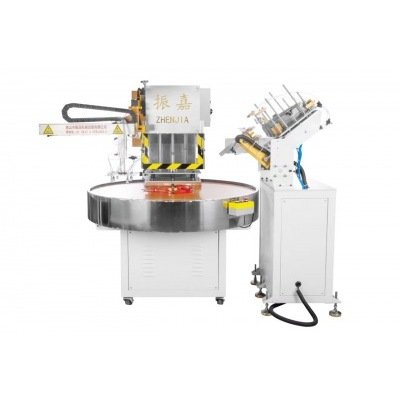
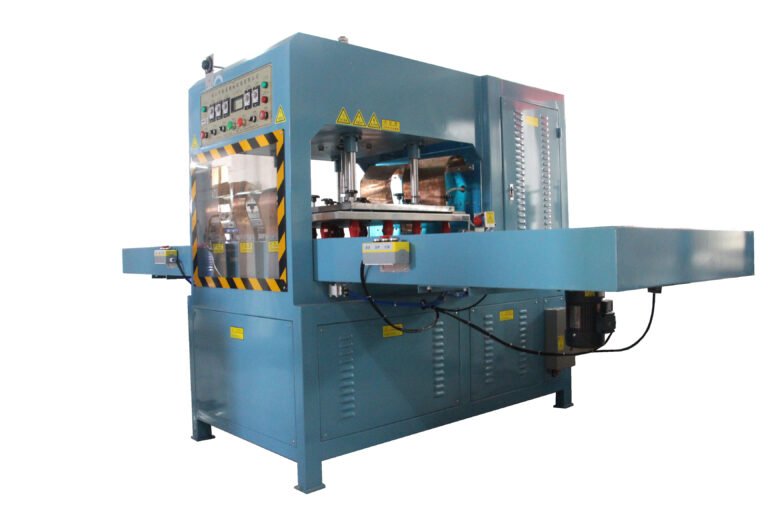
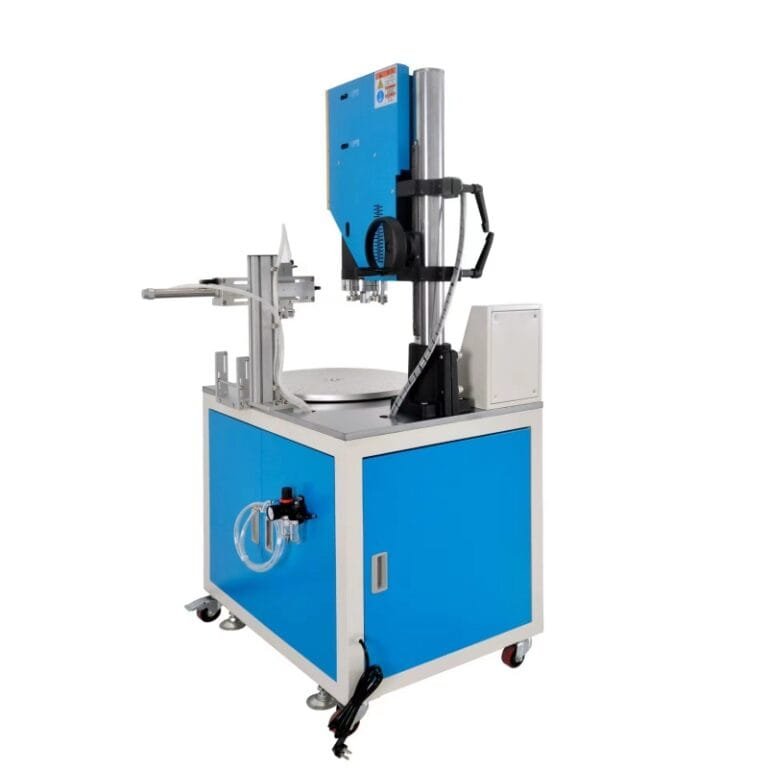
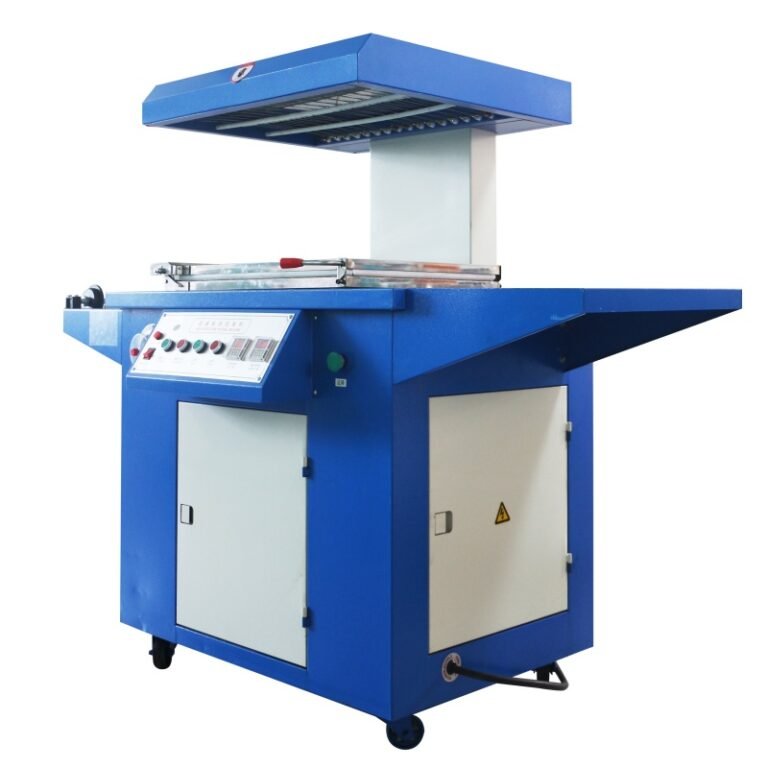
The blister packaging machine utilizes high-frequency energy applied through upper and lower electrodes. This causes the contact surfaces of the workpiece and the internal PVC molecules to vibrate and friction intensely, generating heat that allows the materials to re-fuse. This process achieves the purpose of welding or embossing.
During the blister sealing process, a common issue is the finished blister shell sticking to the upper mold. We analyze this as follows:
A. Material Types
Blister shells sealed by these machines are mainly divided into two types: PVC and PET.
B. Parameter Adjustment
The thermal welding parameters on the machine must be set completely differently for PVC and PET materials after their molecular properties are confirmed.
1. Analysis & Solution for PVC Blister Shells
PVC is commonly used for packaging electronics, hardware, cosmetics, and toys. A typical single-layer thickness is around 0.4mm.
Cause of Sticking:
The primary reason for mold sticking with PVC is excessive heating temperature during the sealing process.
Solution:
For a standard 0.4mm thick PVC shell, the working mold temperature is typically set around 90°C. If sticking occurs, the heating temperature should be lowered accordingly. Thinner PVC material requires a lower temperature setting.
2. Solutions for PET Blister Shell Sticking
Solution 1: Use Specialized Equipment
If the PET blister package requires edge trimming, a high-frequency synchronous cutting/sealing machine should be used. This equipment employs a pressurizing system and a mold designed for demolding, which improves the final appearance and reduces sticking.
Solution 2: Optimize Mold Design
Ensure mold stability. During mold fabrication, any patterned or textured side should be designed on the bottom mold. This design significantly helps reduce PET blister adhesion to the upper mold.
Solution 3: Modify the Upper Mold
For standard blister sealing applications, springs can be installed on the upper mold to assist with demolding.