 TEL +86-13923172919
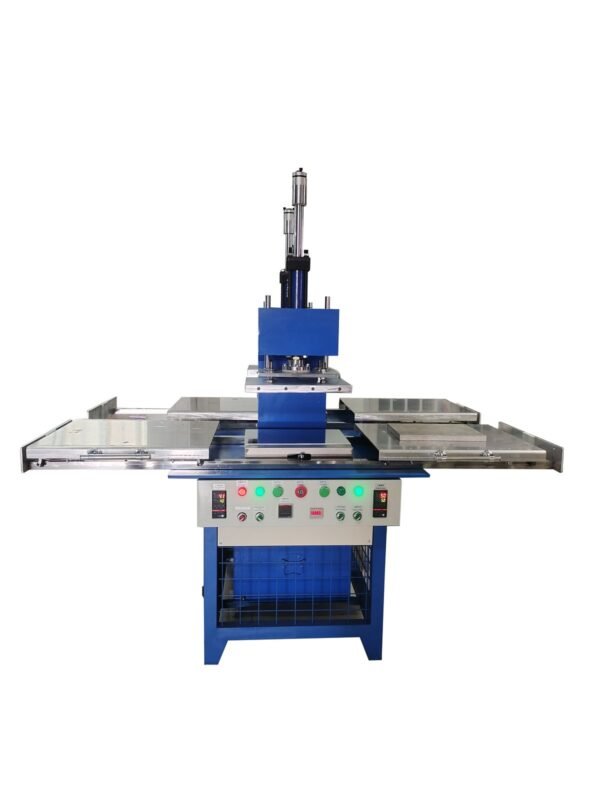
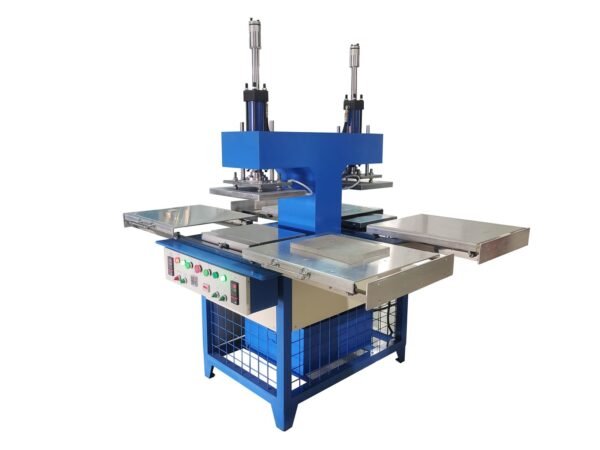
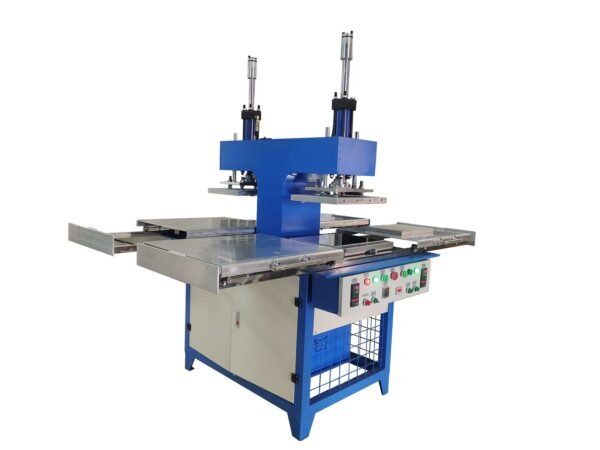
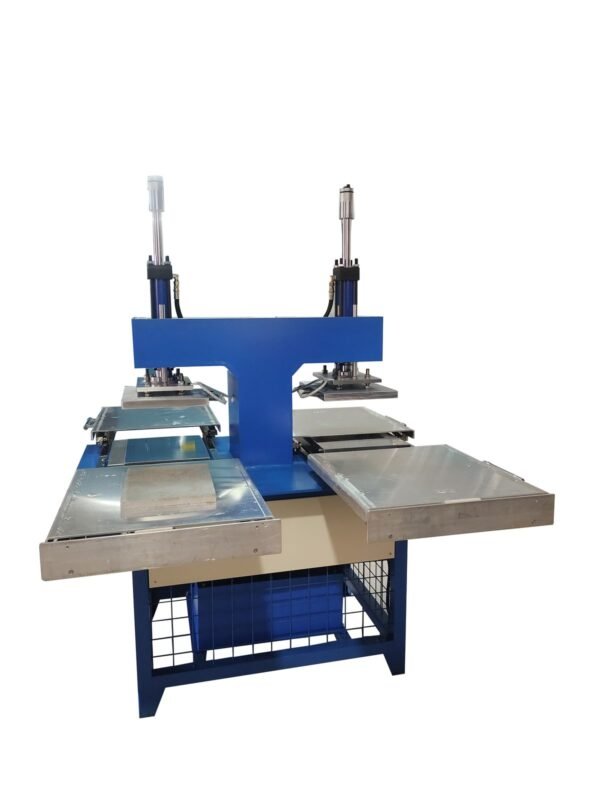
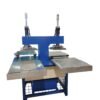
ZJ-TRA4 Double-Head Hydraulic Push-Table Heat Press
The ZJ-TRA4 Double-Head Hydraulic Push-Table Heat Press is a high-performance 12 kW industrial machine designed for precision heat pressing applications. Featuring a dual push-table hydraulic drive system and a 380 V power supply, it offers both automatic and manual operation modes. This versatile machine is engineered for efficiency in high-volume production environments, particularly for manufacturers in Southeast Asia requiring robust, multi-functional equipment for diverse material sets and specialized tooling configurations.
ZJ-TRA4 Double-Head Hydraulic Push-Table Heat Press
The ZJ-TRA4 Double-Head Hydraulic Push-Table Heat Press represents a robust industrial solution for manufacturers requiring high-pressure thermal bonding and pressing capabilities. Engineered by Zhenjia Machine, this 12 kW unit is specifically designed to optimize throughput in demanding production environments. By utilizing a dual push-table configuration, the ZJ-TRA4 allows for simultaneous loading and processing cycles, significantly reducing idle time and maximizing the efficiency of the hydraulic drive system.
Technical Specifications and Electrical Configuration
The ZJ-TRA4 is built to industrial standards, requiring a stable three-phase power supply to maintain its 12 kW output. The following table outlines the recorded technical parameters for this model. Please note that specific physical dimensions and certification scopes must be verified against the current production batch and destination country requirements.
| Specification | Recorded Value |
|---|---|
| Model Number | ZJ-TRA4 |
| Power Output | 12 kW |
| Drive Type | Dual push-table hydraulic (双推盘油压) |
| Power Supply | 380 V |
| Operation Modes | Automatic / Manual Switchable |
| Application Type | Multi-functional (多功能应用) |
| Dimensions | Not specified |
| Certification | Not specified; confirm with sample and layout |
Key Features and Operational Advantages
The ZJ-TRA4 Double-Head Hydraulic Push-Table Heat Press is distinguished by its versatile operational framework, which caters to both precision prototyping and high-volume manufacturing. The core features include:
- Dual Push-Table Operation: The dual-table design allows operators to prepare materials on one side while the hydraulic press completes a cycle on the other. This alternating workflow is essential for maintaining high output rates in labor-intensive assembly processes.
- Hydraulic Drive System: Unlike pneumatic alternatives, the hydraulic drive in the ZJ-TRA4 provides consistent, high-tonnage pressure that is critical for materials requiring deep penetration or high-density bonding.
- Switchable Control Modes: The machine features both automatic and manual operation modes. Manual mode is ideal for setup, tooling alignment, and small-batch testing, while automatic mode ensures cycle consistency during full-scale production runs.
- 12 kW Power Rating: The substantial power capacity ensures rapid heating of the platens and stable temperature maintenance, even when processing high-thermal-mass materials or large surface areas.
Material Compatibility and Application Scope
The ZJ-TRA4 is classified as a multi-functional application machine. However, because the material set is not fixed in the current technical record, compatibility must be established through physical sample testing. This is particularly important for complex composite materials, specialized films, or rigid shells. Zhenjia Machine recommends a thorough validation of the actual shell, card, or film against the intended production tooling before finalizing the machine configuration.
Configuration Check and Pre-Quotation Requirements
To ensure the ZJ-TRA4 meets your specific factory requirements, a comprehensive configuration review is mandatory. This process prevents mismatches in voltage, tooling envelope, and material performance. B2B buyers should prepare the following data points for technical review:
- Material and Sample Drawing: Provide detailed CAD drawings or physical samples of the materials to be pressed.
- Tooling and Working Envelope: Define the maximum dimensions of the parts to ensure they fit within the push-table and platen area.
- Target Output: Specify the required pieces per hour and the intended shift pattern (e.g., 8-hour vs. 24-hour operation).
- Site Infrastructure: Confirm the availability of 380 V power, the local frequency (50/60 Hz), and the capacity of the hydraulic or air supply lines.
- Compliance: Identify the necessary certification scope (such as CE, SIRIM, SNI, or QCVN) based on the destination country.
Installation Guidelines for Southeast Asian Markets
For installations in Malaysia, Indonesia, and Vietnam, specific attention must be paid to local industrial standards and environmental conditions. The ZJ-TRA4 is recorded for 380 V supply; however, site-specific variations can impact machine longevity and performance.
- Voltage Stability: In regions with fluctuating power grids, the use of an industrial voltage stabilizer is highly recommended to protect the 12 kW electrical system.
- Environmental Control: High humidity and ambient heat can affect the hydraulic fluid and electrical components. Ensure adequate ventilation and moisture control around the machine cabinet.
- Grounding Protocols: Factory earth must be verified by a qualified electrician before the machine is commissioned to ensure operator safety and prevent electrical interference.
- Regional Certification: Buyers must check the specific SIRIM (Malaysia), SNI (Indonesia), or TCVN (Vietnam) requirements for this model. Do not assume compliance without a valid certificate for the ZJ-TRA4.
Safety and Routine Maintenance
Operating high-pressure hydraulic equipment requires strict adherence to safety protocols to prevent workplace injuries and equipment damage.
CRITICAL SAFETY NOTICE: Before performing any tooling changes, clearing material jams, or opening safety guards, you must isolate the main power supply. Follow standard Lockout/Tagout (LOTO) procedures and ensure all residual hydraulic or pneumatic pressure is bled from the system. Only trained technical personnel should access the electrical cabinet or adjust the sealing head.
To maintain the ZJ-TRA4 in peak condition, implement the following maintenance schedule:
- Shift Start Checks: Test the emergency stop buttons and all safety interlocks daily.
- Hydraulic Inspection: Regularly check hydraulic lines, fittings, and cylinders for signs of leaks or wear.
- Cleaning: Keep the electrodes, sealing heads, and push-tables free of debris and material buildup.
- Scheduled Service: Follow the manufacturer’s intervals for hydraulic oil filtration, seal replacement, and electrical terminal tightening.
Selection FAQ
What is the primary application of the ZJ-TRA4?
The ZJ-TRA4 is used for double-head hydraulic heat pressing. It is a multi-functional machine, but the specific application depends entirely on the tooling and material samples provided by the user.
Can the ZJ-TRA4 operate on a 220V supply?
The recorded specification for this model is 380 V. Any modification to the power supply requirements must be discussed during the configuration check and may require different internal components.
How is the production output calculated?
Output is not a fixed value; it is determined by the material cycle time, the complexity of the tooling, and the efficiency of the operator using the dual push-table system.
Is the ZJ-TRA4 fully automatic?
The machine features switchable Auto/Manual modes, allowing the operator to choose the level of automation required for the specific task at hand.
ZJ-TRA4 Double-Head Hydraulic Heat Press: selection and next steps
When comparing a ZJ-TRA4 Double-Head Hydraulic Heat Press, confirm the material, tooling, cycle time and site voltage before quotation. A ZJ-TRA4 Double-Head Hydraulic Heat Press should be matched to the actual product, output target and operator model, not only to the machine size.
Related machines
- ZJ-5439 Skin Packaging Machine
- ZJ-4050 Blister Three-Side Folding Machine
- ZJ-1500 Door and Window Shrink Machine
Standards and references
For quality-management context, see NIST. For CE marking on machinery, see the European Commission CE marking guidance.