 TEL +86-13923172919
The Comprehensive Guide to Blister Sealing Machines: Technology, Applications, and Selection Strategies for 2026
Searching for the perfect blister sealing machine? This in-depth guide covers everything from heat sealing principles and machine types to industry applications and maintenance best practices, helping you make an informed investment decision.
Introduction: The Critical Role of Blister Sealing in Modern Packaging
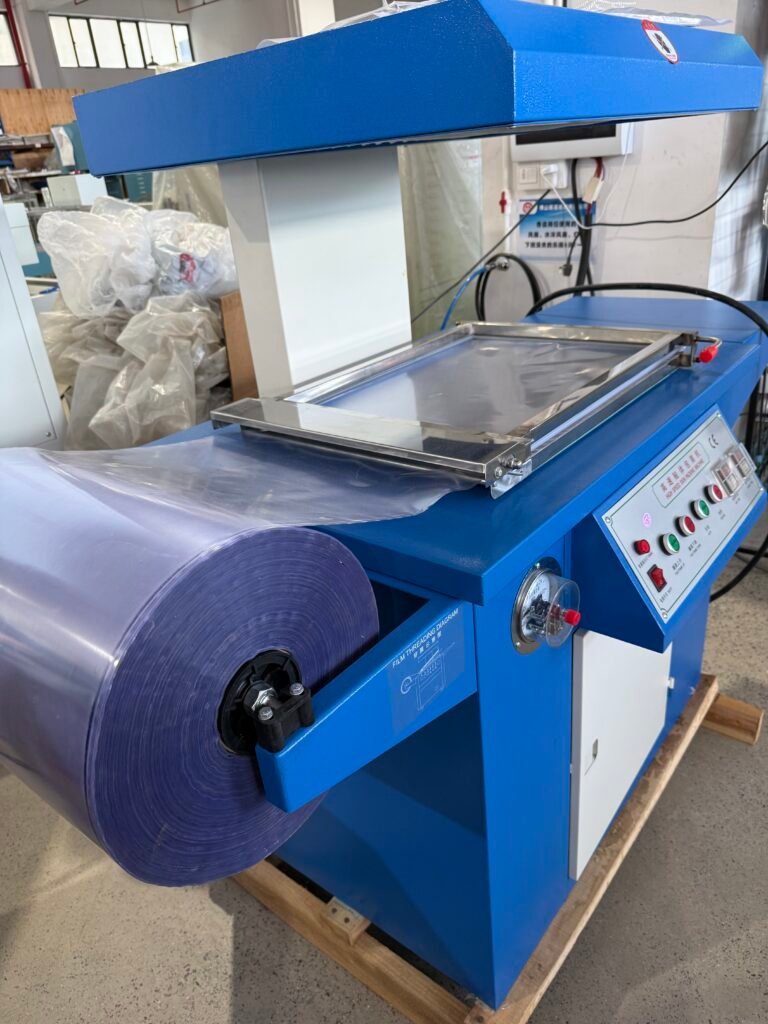
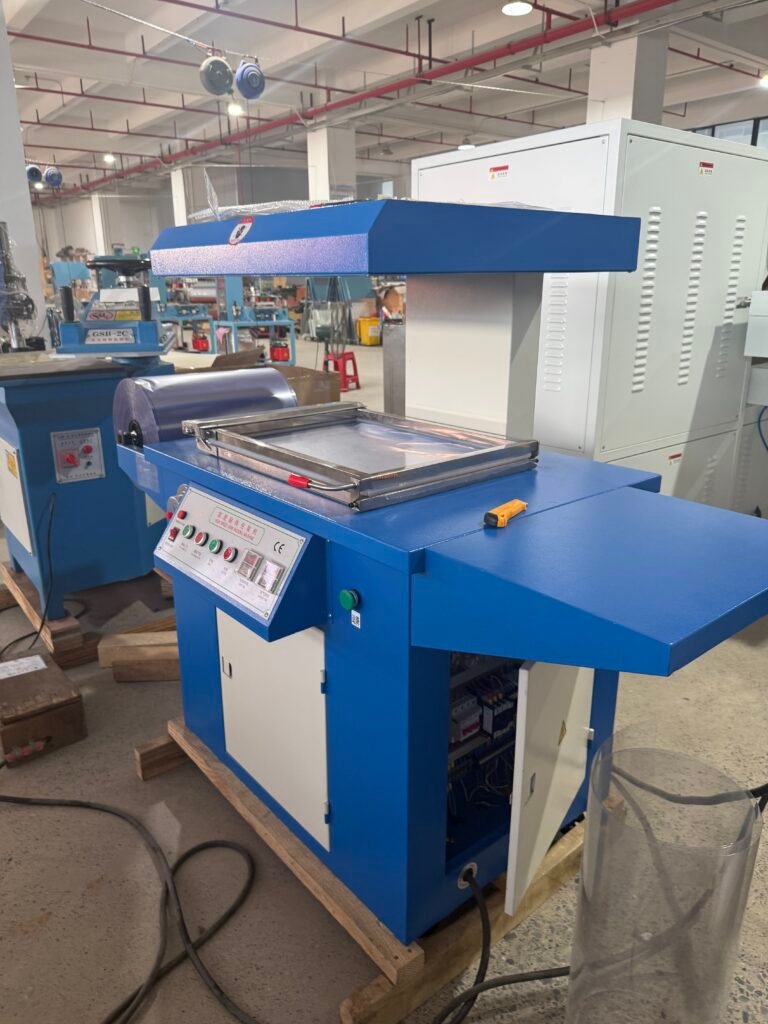
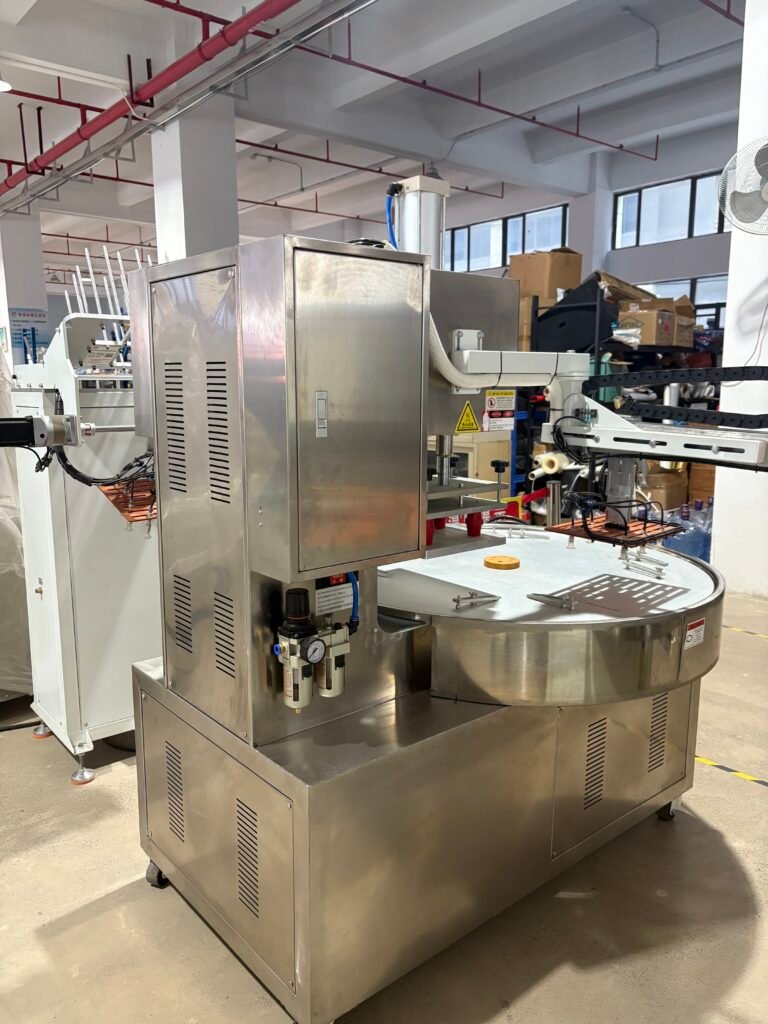
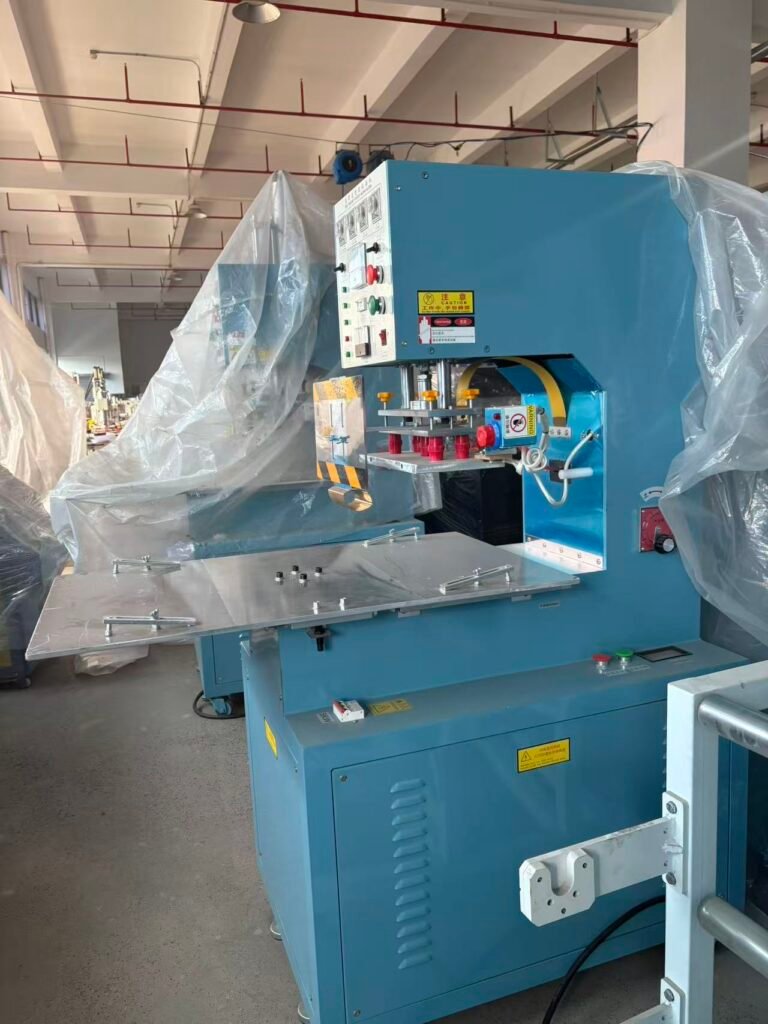
A blister sealing machine is a specialized packaging device that creates secure, tamper-evident seals between thermoformed plastic blisters and backing materials such as aluminum foil or paperboard . These machines are essential across pharmaceuticals, medical devices, food, electronics, and consumer goods industries, ensuring product protection, extended shelf life, and regulatory compliance .
The global automatic blister sealing machine market continues to expand, driven by increasing demand for unit-dose packaging, rising quality standards, and the need for tamper-evident solutions . Whether you’re a pharmaceutical manufacturer requiring high-speed production or a startup exploring small-batch packaging, understanding blister sealing technology is crucial for selecting the right equipment.
This comprehensive guide explores blister sealing machines in depth—from basic principles and types to advanced technologies and procurement strategies.
右边.jpg)
1. What Is a Blister Sealing Machine? Understanding the Fundamentals
1.1 Basic Working Principle
A blister sealing machine operates by applying controlled heat and pressure to bond a lidding material (typically aluminum foil or paperboard) to a pre-formed plastic blister containing the product . The sealing process creates an airtight, tamper-evident enclosure that protects the contents from moisture, light, and contamination.
The key parameters affecting seal quality include:
- Temperature: Typically ranging from 100°C to 250°C, depending on material specifications
- Pressure: Ensures intimate contact between sealing surfaces
- Dwell time: The duration heat and pressure are applied
- Material compatibility: Different backing materials require specific sealing conditions
1.2 Two Main Sealing Principles
Blister sealing machines utilize two primary sealing mechanisms :
Platen Sealing (Flat Sealing) : Uses a flat, heated plate that presses the lidding material against the blister flange. The entire sealing area receives heat and pressure simultaneously. This method offers longer dwell times and is suitable for complex or sensitive products .
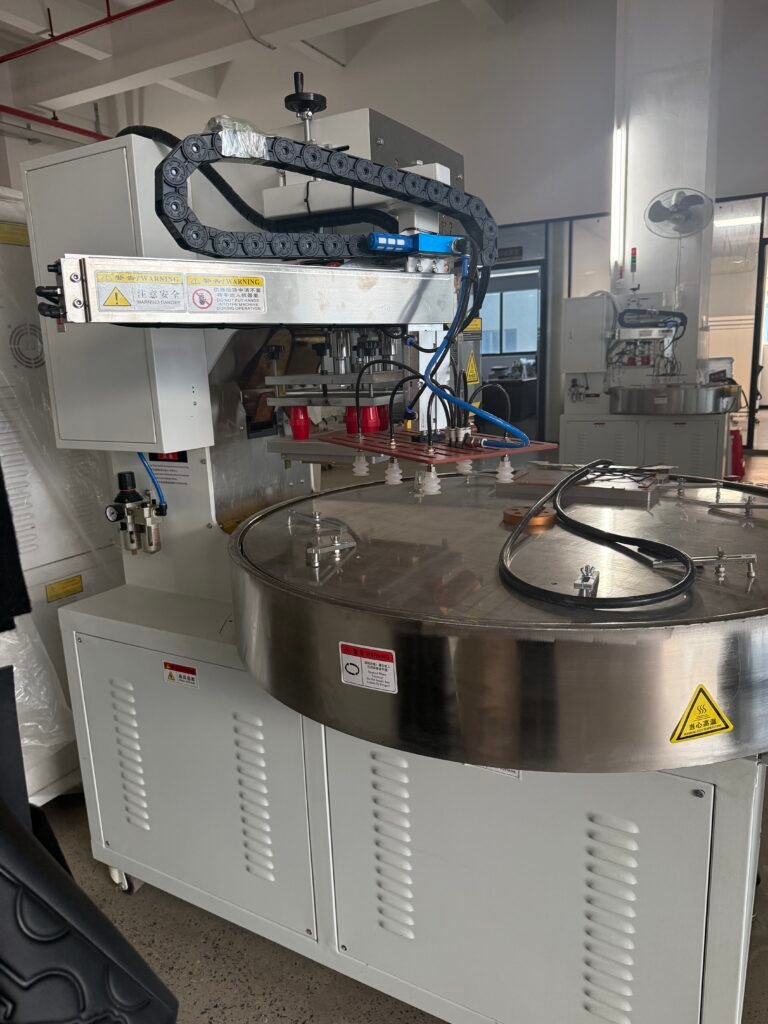
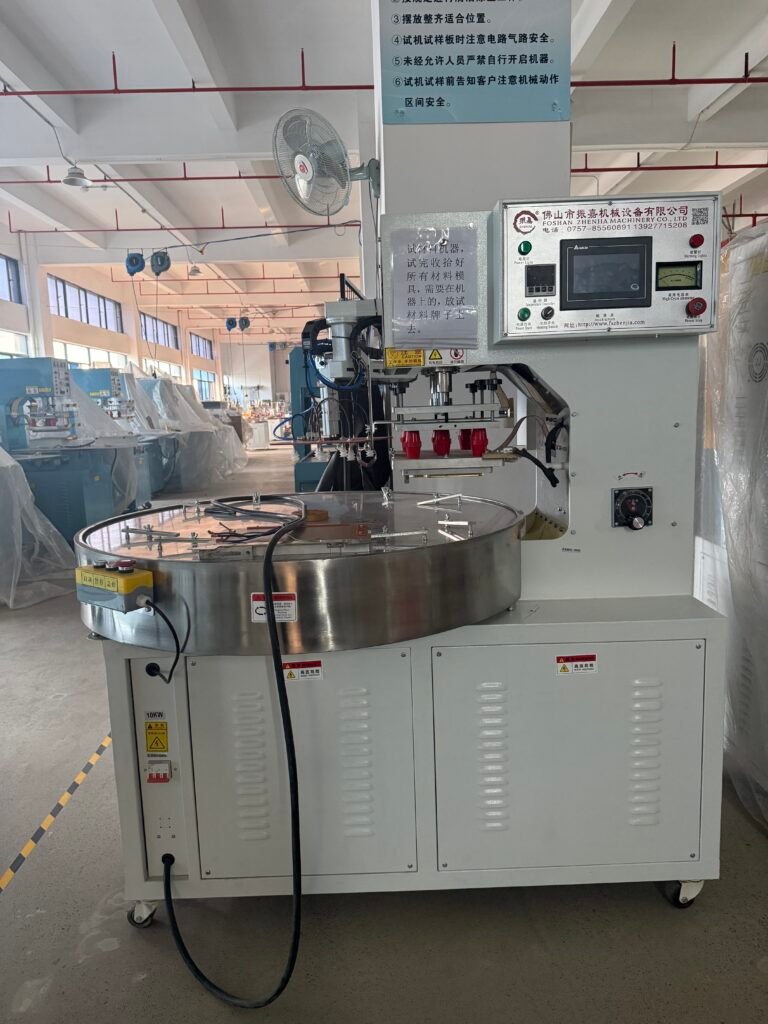
Rotary Sealing (Roller Sealing) : Employs a heated rotating roller that seals continuously as the blister web moves through the machine. The roller makes linear contact, reducing sealing time and allowing higher production speeds . This method minimizes hot air ingress into blister cavities and reduces material wrinkling.
Comparison of Sealing Principles :
| Feature | Platen Sealing | Rotary Sealing |
|---|---|---|
| Contact Type | Full surface | Linear/rolling |
| Dwell Time | Longer | Shorter |
| Production Speed | Moderate | Higher |
| Suitable for | Complex shapes, sensitive products | Simple shapes, high volume |
| Space Requirement | Larger | More compact |
| Wrinkle Formation | Potential | Reduced |
1.3 Key Components of a Blister Sealing System
A complete blister sealing machine includes several critical components :
- Heating System: Provides precise thermal energy for sealing, often using cartridge heaters, heating rollers, or infrared elements
- Sealing Platen/Roller: The contact surface that applies heat and pressure
- Pressure Mechanism: Pneumatic, hydraulic, or servo-driven systems that control sealing force
- Control System: PLC with touchscreen interface for parameter management
- Cooling System: Protects bearings and maintains temperature stability
- Material Handling: Feeders for blisters and lidding materials
- Safety Interlocks: Ensure operator protection during operation
2. Types of Blister Sealing Machines by Automation Level
2.1 Manual Blister Sealers
Manual sealers require full operator involvement in every step—placing the blister card, positioning the sealing foil, and activating the heating plate . These are basic benchtop units designed for very low-volume or occasional packaging needs.
Typical Applications : Medical supply stores, research labs, startups, and sample kit production
Specifications :
- Output capacity: 5–20 blisters per minute
- Power: Typically 800W
- Mold configuration: Often includes standard molds (e.g., 2×5 holes for size 00 capsules)
Advantages : Lowest initial cost, minimal setup, compact size, simple training
Limitations : Very low throughput, inconsistent seal quality, limited temperature/pressure control
2.2 Semi-Automatic Blister Sealers
Semi-automatic machines combine automated sealing mechanisms with manual loading and unloading processes . Operators place blister cards into fixtures, initiate the cycle, and remove finished packs.
Ideal For : Small to mid-sized pharmaceutical companies, R&D departments, clinical trial packaging, and facilities with variable product lines
Key Features :
- Output: 300–1,500 blisters/hour depending on model
- Manual feed with automatic cycle initiation
- Digital temperature and time controls
- Quick changeover between formats
Advantages : Balanced automation and operator control, cost-effective for medium volumes, easy to operate and maintain
2.3 Automatic Blister Sealers
Fully automated systems designed for high-speed, continuous blister packaging operations . They integrate seamlessly with upstream forming equipment and downstream cartoning machinery.
Best For : Large pharmaceutical manufacturers, contract packaging firms, and high-volume production facilities
Advanced Features :
- Production speeds exceeding 600 cycles per minute
- Servo-driven precision for consistent operation
- Integrated vision inspection systems
- Automatic rejection of defective packages
- Recipe-driven HMI for fast changeovers
2.4 Continuous vs. Intermittent Sealing Systems
Continuous Sealers : Operate on a conveyor-based system where blister cards move continuously through heated sealing rollers . Ideal for mass production of uniform items like OTC medications and vitamins.
Intermittent Sealers : Operate in a stop-start motion—the machine indexes the blister card into position, stops completely, applies heat and pressure, then advances . Better for complex products and easier integration with vision inspection systems.
Type Comparison :
| Type | Automation | Output | Flexibility | Best Application |
|---|---|---|---|---|
| Manual | Manual | <100 cpm | Very High | Small businesses, labs |
| Semi-Auto | Partial | 100-400 cpm | High | Mid-sized pharma, R&D |
| Auto Rotary | Full | 500-1000+ cpm | Low-Medium | Large-scale production |
| Auto Intermittent | Full | 300-800 cpm | Very High | Variety-driven production |
2.5 Specialized Configurations
Dual-Station Shuttle Sealers : Feature two independently operating stations, allowing one operator to load while the other side seals, doubling productivity . Models like Belco’s BM series offer sealing platens up to 30″×25″ for large-format packaging.
Electric Desktop Sealers : Fully electric machines requiring no air compressor, perfect for lab environments . The ETBP-180, for example, combines with a separate electric punch for complete small-batch blister production.
3. Key Technical Specifications and What They Mean
3.1 Sealing Temperature Range
Precise temperature control is critical for achieving consistent, high-quality seals . Most heat sealing machines operate within 100°C to 250°C .
Material-Specific Temperature Requirements :
- PVC: ~180°C
- PP: ~200°C
- PVC/PVDC laminates: 190-210°C
- Cold-form foil: Requires pressure, minimal heat
Modern machines feature digital PID controllers for accurate temperature management . Overheating causes material degradation; underheating leads to weak seals .
3.2 Sealing Pressure
Proper pressure ensures intimate contact between blister and lidding material . Industrial sealers use pneumatic cylinders—for example, the BM 2020 uses an 8″ bore cylinder, while larger models employ dual cylinders .
Typical compressed air requirements: 0.4–0.6 MPa (4–6 bar) . Adjustable spring screws allow fine-tuning of pressure distribution when sealing imprints are uneven .
3.3 Dwell Time Management
Dwell time—the duration of heat and pressure application—significantly impacts seal quality . Too short: adhesive doesn’t melt sufficiently. Too long: heat penetrates blister cavities, potentially deforming the package or damaging products .
Advanced systems offer precise dwell time control down to milliseconds, with adaptive algorithms that adjust based on real-time feedback .
3.4 Forming and Sealing Area
The maximum blister size a machine can handle is determined by its sealing platen dimensions . Common sizes:
- Desktop units: 200×300 mm
- Industrial semi-automatic: 500×400 mm up to 800×600 mm
- Large-format shuttle machines: 20″×20″ (508×508 mm) to 30″×25″ (762×635 mm)
3.5 Material Compatibility
Blister sealing machines must accommodate various material combinations :
Blister Materials :
- PVC (Polyvinyl Chloride): Most common, excellent clarity, cost-effective
- PET (Polyethylene Terephthalate): Better rigidity and chemical resistance
- PP (Polypropylene): High impact strength
- PVDC-coated materials: Enhanced barrier properties
- Cold-form foil: Aluminum laminate for maximum protection
Lidding Materials :
- PTP aluminum foil: Standard for pharmaceuticals
- Paperboard: Common for consumer goods
- Foil-composite films: Enhanced barrier properties
- Tyvek®: Medical-grade for sterile devices
3.6 Output Capacity
Production speed varies significantly by machine type :
| Machine Type | Output Range |
|---|---|
| Manual | 5-20 blisters/min (300-1,200/hr) |
| Semi-automatic | 5-25 cycles/min (300-1,500 blisters/hr) |
| Automatic intermittent | 30-80 cycles/min |
| Automatic continuous | 100-600+ cycles/min |
3.7 Power and Utility Requirements
- Electrical: 220V/50-60Hz common, some 110V models available
- Power consumption: 2.5–4.5 kW typical for semi-auto ; higher for industrial systems
- Compressed air: 0.4-0.6 MPa, clean and dry
- Cooling water: Required for high-speed rotary sealers to protect bearings
4. Industry Applications and Use Cases
4.1 Pharmaceutical Packaging
The pharmaceutical sector is the largest user of blister sealing machines . Applications include:
- Tablets and capsules: Unit-dose packaging ensures precise medication adherence
- Moisture-sensitive drugs: High-barrier seals with aluminum lidding extend shelf life
- Clinical trial materials: Small-batch flexibility for research phases
Regulatory compliance requires machines to meet GMP standards, with features like 100% visual inspection and rejection systems .
4.2 Medical Device Packaging
Sterile medical devices demand contamination-free packaging :
- Syringes, needles, catheters
- Surgical kits and instruments
- Diagnostic test kits
Medical blister sealing often uses Tyvek® lidding, which allows sterilization (ethylene oxide or gamma) post-packaging while maintaining sterility .
4.3 Food and Nutraceutical Packaging
Growing applications in food include :
- Portion-controlled snacks and candies
- Vitamin and supplement tablets
- Effervescent drinks
- Powdered spices and functional foods
Airtight seals preserve freshness and prevent clumping .
4.4 Consumer Goods and Electronics
Blister sealing provides product visibility and theft deterrence :
- Small electronics (batteries, USB drives)
- Cosmetics and personal care items
- Hardware and tools
- Toys and collectibles
4.5 Agricultural and Chemical Packaging
Pre-measured doses of seeds, pesticides, and fertilizers benefit from blister packaging’s protection against moisture and UV light .
5. Quality Assurance and Seal Integrity
5.1 Factors Affecting Seal Quality
Four main parameters influence sealing quality :
- Dwell Time: Must be sufficient for adhesive melting but not excessive to avoid heat penetration
- Temperature: Correct temperature activates the heat-seal coating; too low = weak bond, too high = material distortion
- Pressure: Adequate force ensures uniform contact; typical setting ~0.4 MPa
- Material Condition: Clean, uncontaminated surfaces are essential
5.2 Common Seal Defects and Solutions
Weak or Inconsistent Seals :
- Cause: Insufficient temperature, pressure, or dwell time
- Solution: Increase parameters gradually, verify material compatibility
Wrinkled Seals :
- Cause: Material misalignment, excessive heat
- Solution: Adjust material feed, reduce temperature, consider rotary sealing
Uneven Seal Imprint (deep on one side, shallow on other) :
- Cause: Uneven pressure distribution
- Solution: Adjust spring screws to balance pressure
Heat Damage to Product :
- Cause: Excessive dwell time or temperature
- Solution: Reduce parameters, verify cooling, consider cold-forming alternatives
5.3 Advanced Inspection Technologies
Modern blister sealing machines integrate sophisticated quality control :
- High-speed cameras: 100% visual defect detection in real time
- Rejection stations: Automatic separation of non-compliant product
- Spectroscopic analysis: NIR and Raman for chemical composition verification
- Acoustic monitoring: Sound signature analysis during sealing
5.4 Validation and Compliance
For regulated industries, machines must support :
- IQ/OQ/PQ documentation
- 21 CFR Part 11 compliance (electronic records)
- GMP-compliant construction
- Material traceability
6. Installation, Maintenance, and Troubleshooting
6.1 Installation Requirements
Electrical: Stable power supply with correct voltage; use voltage stabilizers in areas with fluctuations
Compressed Air: Clean, dry air at specified pressure (typically 0.5-0.8 MPa) with proper filtration
Cooling: For machines with heated rollers, ensure water chiller operates for 30 minutes after power-off to protect bearings
Environment: Clean, well-ventilated area with stable temperature
6.2 Preventive Maintenance Schedule
Daily :
- Clean sealing jaws and work area
- Verify safety systems
- Check material alignment
Weekly :
- Clean interior components with soft brush/compressed air
- Check cooling water level
- Inspect seals for wear
Monthly :
- Inspect electrical connections
- Lubricate moving parts
- Check filter conditions
- Verify temperature calibration
Quarterly :
- Replace worn sealing jaws/platens
- Test calibration
- Inspect pneumatic system
6.3 Troubleshooting Common Issues
| Problem | Possible Causes | Solutions |
|---|---|---|
| No heat | Power issue, failed heating element | Check power, test element continuity |
| Temperature unstable | Faulty controller, sensor issues | Calibrate or replace PID controller, verify thermocouple |
| Blister sticks to platen | Excess temperature, worn coating | Reduce temperature, replace or re-coat platen |
| Seal not airtight | Insufficient parameters, contamination | Increase temp/pressure/time, clean materials |
| Machine won’t cycle | Safety interlock, control failure | Check doors/guards, verify PLC function |
Important: Always power off and disconnect utilities before maintenance .
7. Advanced Technologies and Future Trends
7.1 Servo-Driven Systems
Replacing pneumatic and mechanical components, servo drives offer :
- Precise motion control
- Repeatable performance
- Energy efficiency
- Quiet operation
7.2 Smart Sensors and IoT Integration
Modern machines feature :
- Real-time parameter monitoring
- Predictive maintenance alerts
- Remote diagnostics
- Production data analytics
7.3 Vision Inspection Integration
Flat forming, flat sealing systems like ELMACH’s EPI-3015 PDA incorporate high-speed cameras for 100% visual defect detection, with integrated reject stations for non-compliant product .
7.4 Advanced Materials and Sustainability
Eco-friendly developments :
- Biodegradable blister materials (PLA, plant-based plastics)
- Recyclable mono-material structures
- Reduced energy consumption through efficient heating
High-barrier innovations :
- PVDC and COC films for superior protection
- Cold-form foil for moisture-sensitive products
7.5 Tool-less Changeovers
Quick-change tooling systems allow transitions between product types in minutes rather than hours, supporting high-SKU environments .
7.6 Desktop and Compact Systems
Growing demand for small-batch packaging has driven development of compact, electric desktop systems requiring no air compressors—perfect for labs, pharmacies, and startups .
8. How to Choose the Right Blister Sealing Machine: A Step-by-Step Guide
Step 1: Define Your Requirements
- Production volume: Current and projected (units per hour/day)
- Product characteristics: Size, shape, sensitivity
- Materials: Blister type (PVC, PET, cold-form) and lidding requirements
- Regulatory needs: GMP, FDA, ISO standards
- Facility constraints: Space, power, compressed air availability
Step 2: Determine Automation Level
| Production Volume | Recommended Type |
|---|---|
| <10,000 units/month | Manual or small desktop electric |
| 10,000-100,000/month | Semi-automatic |
| 100,000-1M/month | Automatic intermittent |
| >1M/month | High-speed continuous rotary |
Step 3: Evaluate Technical Specifications
- Sealing area: Must accommodate your largest product
- Temperature range: Compatible with your materials
- Pressure capability: Adequate for your seal requirements
- Changeover time: Critical for multi-product environments
- Inspection integration: Vision systems if required
Step 4: Assess Supplier Capabilities
- Industry experience and specialization
- Customer references and reorder rates
- After-sales support and spare parts availability
- Validation documentation for regulated industries
Step 5: Request Samples and Trials
Test the machine with your actual products and materials to verify:
- Seal quality and consistency
- Cycle times
- Ease of operation and changeover
- Defect rates
Step 6: Consider Total Cost of Ownership
Beyond purchase price, evaluate:
- Energy consumption
- Tooling costs (molds, sealing fixtures)
- Maintenance requirements and spare parts
- Operator training needs
- Potential for future upgrades
9. Frequently Asked Questions (FAQ)
Q: What’s the difference between heat sealing and cold forming?
A: Heat sealing uses thermal energy to bond materials, while cold forming uses mechanical pressure at room temperature to shape aluminum laminates . Cold forming provides superior barrier protection for moisture-sensitive products but has slower cycle times and higher material costs.
Q: Can I use the same machine for different blister sizes?
A: Yes, but you’ll need interchangeable molds or sealing fixtures . Semi-automatic and automatic machines with quick-change tooling allow rapid transitions between formats .
Q: What materials cannot be heat-sealed?
A: Non-polar materials like HDPE, PP (uncoated), and PTFE don’t respond to high-frequency or direct heat sealing . They require alternative methods or special coatings.
Q: How often should sealing jaws be replaced?
A: Depends on usage intensity, typically every 1-3 years. Signs of wear include inconsistent seals, sticking, or visible damage. Teflon-coated platens can be reconditioned .
Q: What’s the typical payback period for a blister sealing machine?
A: For businesses transitioning from manual to semi-automatic, payback is often 6-18 months through labor savings and reduced material waste. Fully automatic systems may take 2-3 years but enable much higher volumes.
Q: Do I need compressed air for desktop electric sealers?
A: No—electric desktop systems like the ETBP-180 operate on standard electrical power only, making them ideal for labs and small businesses .
Q: How do I maintain consistent seal quality?
A: Follow preventive maintenance schedules, calibrate temperature sensors regularly, use compatible materials, and consider machines with real-time parameter monitoring .
Q: What’s the difference between platen and rotary sealing?
A: Platen sealing applies heat to the entire surface simultaneously; rotary sealing uses a rolling contact . Platen offers longer dwell time for sensitive products; rotary enables higher speeds.
Q: Can blister sealing machines handle irregularly shaped products?
A: Yes, with appropriate molds. Cold forming is particularly effective for deep-drawn or irregular shapes . Intermittent motion machines provide better control for complex geometries.
Q: What certifications should I look for?
A: For pharmaceutical use: GMP compliance, FDA 21 CFR Part 11 readiness, and CE marking for international markets .
Conclusion: Making Your Blister Sealing Investment
Selecting the right blister sealing machine is a critical decision that impacts product quality, production efficiency, and long-term profitability. By understanding the technology, evaluating your specific requirements, and carefully assessing suppliers, you can make a confident choice that delivers lasting value.
Key takeaways for your purchase decision:
✅ Match machine specifications to your actual production needs—overspending wastes capital, undersizing creates bottlenecks
✅ Consider future scalability; modular systems with upgrade paths protect your investment
✅ Prioritize suppliers with proven track records and responsive support
✅ Verify claims through documentation, samples, and references
✅ Plan for proper installation, maintenance, and operator training
Whether you’re a pharmaceutical manufacturer requiring high-speed automatic systems with vision inspection, or a startup exploring small-batch packaging with desktop electric equipment, understanding these fundamentals will guide you to the right solution.
[Foshan Zhenjia Machinery Co., Ltd.] offers a comprehensive range of blister sealing machines tailored to diverse industry needs. Contact our engineering team today for a consultation on your specific application.