 TEL +86-13923172919
5kW HF Welding Machine to 15kW RF Welding Machine: Product Ranges, Material Limits, and the Decision Framework for Choosing the Right 8kW High Frequency Welder
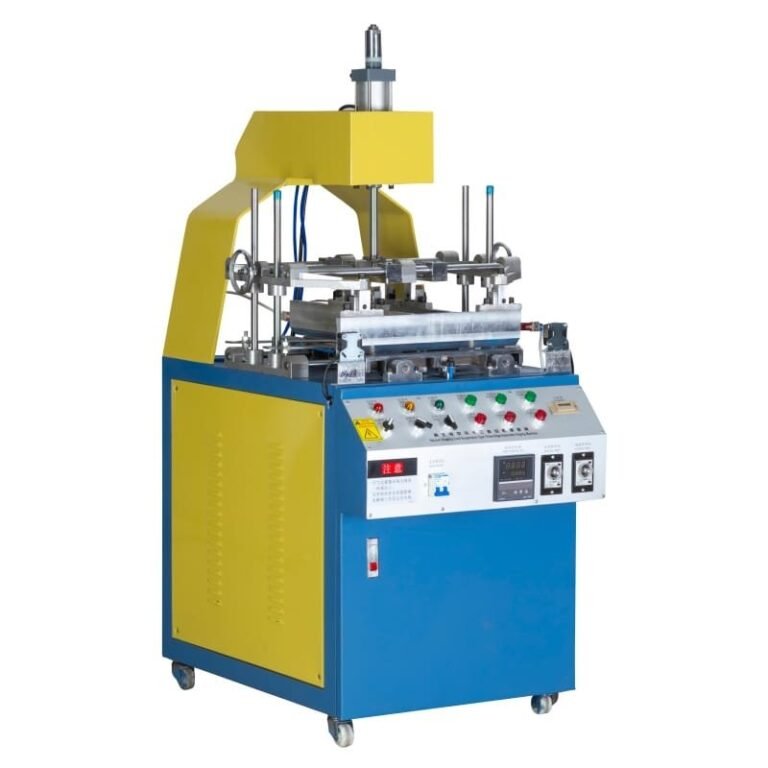
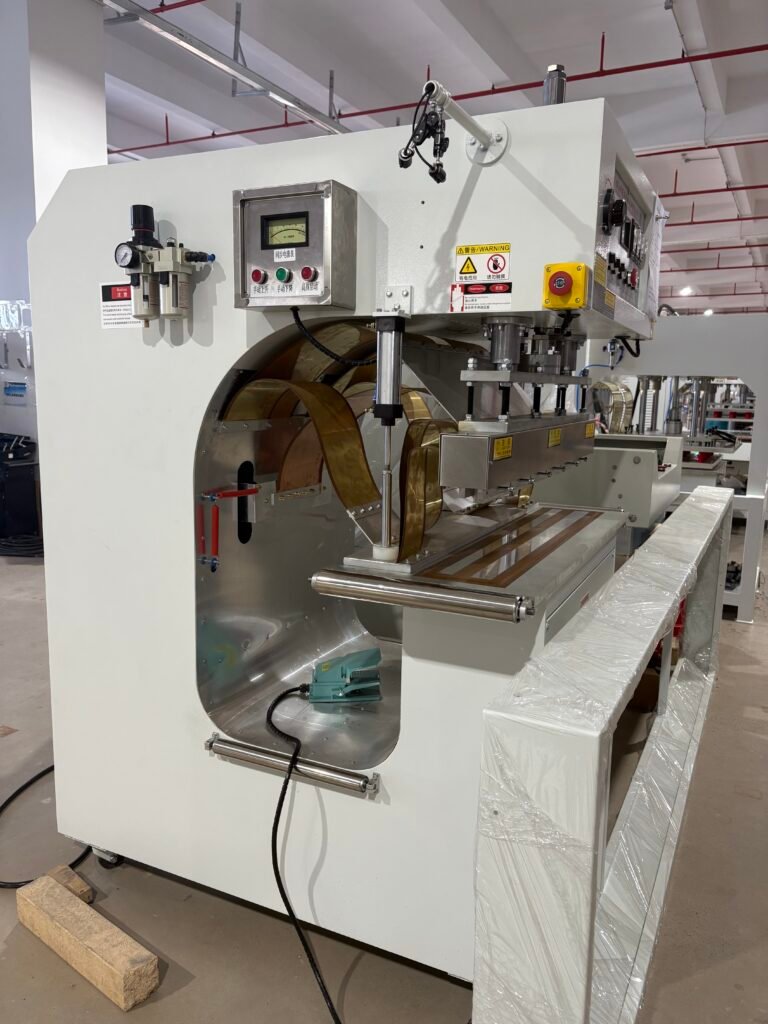
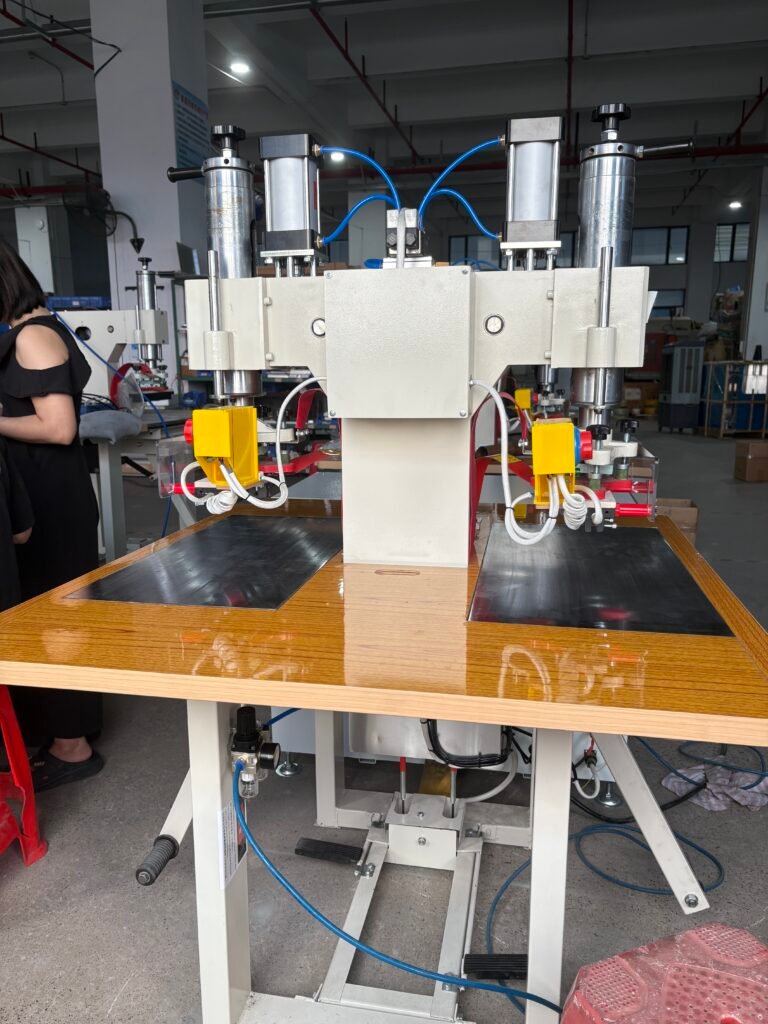
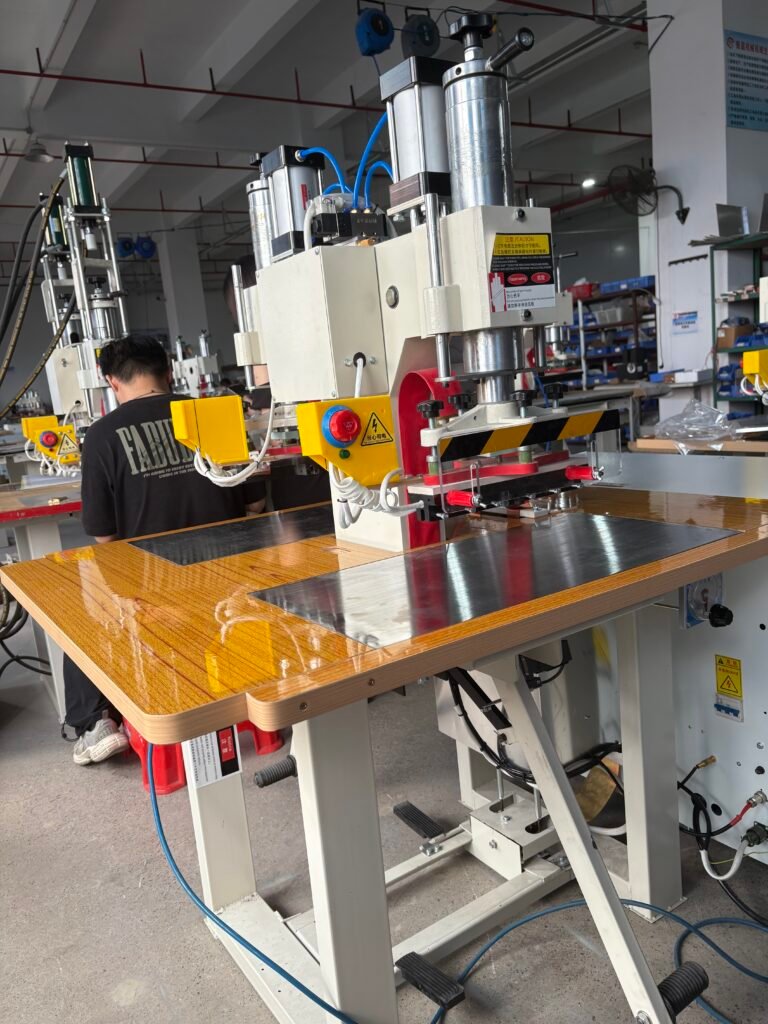
Three power ratings dominate the HF welding market. The 5kW HF welding machine serves small parts and thin films. The 8kW high frequency welder handles the broad middle ground of commercial production. The 15kW RF welding machine tackles thick materials, large seals, and high-speed multi-cavity tooling. These three ratings account for the vast majority of machines sold worldwide.
Choosing among them is the most consequential specification decision a buyer makes. Power determines which products the machine can weld, how fast it welds them, and what electrical infrastructure it demands. A machine that is too small cannot weld the product at all. A machine that is too large wastes capital and operates inefficiently at low power settings.
This HF welding machine power comparison provides a clear map of what each power level can and cannot do. It describes the product types, material thicknesses, and production volumes that fit naturally into each power band. By the end, the question of which power HF welder do I need should have a clear answer grounded in your specific production reality.
The Relationship Between Power, Weld Area, and Cycle Time
A simple relationship governs the power requirement for any HF welding application. The generator must deliver enough energy to heat a specific volume of material from room temperature to its melting point within the available cycle time. The volume equals the total seal area multiplied by the material stack thickness. The energy required is proportional to this volume.
More power heats the same volume faster. A seal that takes 6 seconds at 5kW may take 2 seconds at 15kW. The faster cycle produces more parts per hour. The machine costs more but generates more output. The power selection decision is therefore a balance between the minimum power required to weld the product at all and the additional power that buys productive speed.
Material type modifies the relationship. PVC welds efficiently and serves as the baseline. PU and TPU demand 20% to 40% more power for the same area and thickness. EVA requires less power but a more delicate touch. The numbers in the following sections assume flexible PVC unless another material is specified.
5 kW: Small Parts, Thin Films, and Entry-Level Production
A 5kW HF welding machine is the specialist of small-scale, high-precision work. Its weld area capacity covers up to approximately 3,000 square millimeters per cycle for PVC film stacks up to 1.0 millimeter thick. This area corresponds to a rectangular seal roughly 150 millimeters by 20 millimeters, or a circular seal about 60 millimeters in diameter.
Products That Fit Naturally at 5 kW
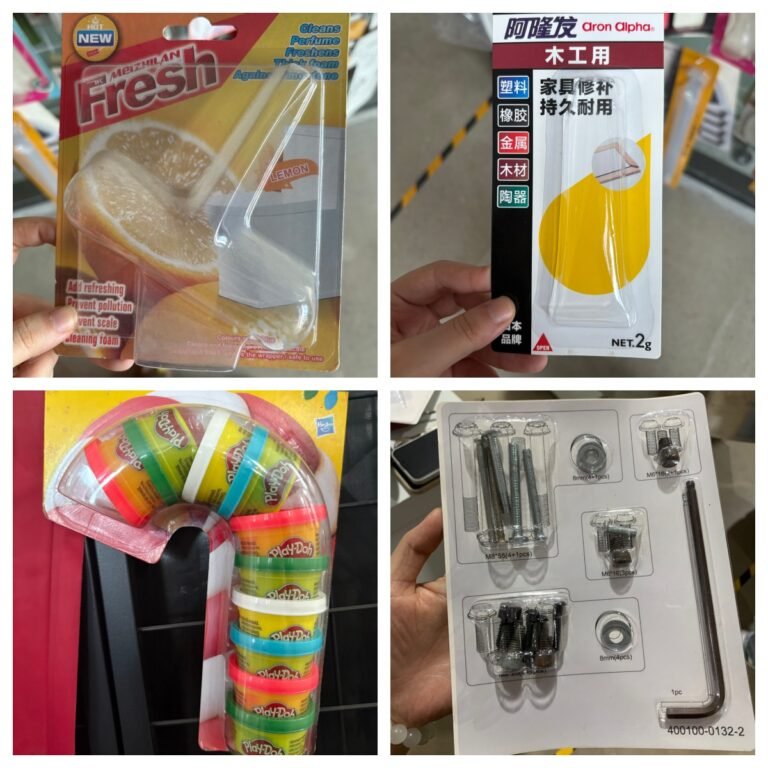
Small blister packaging dominates the 5kW application space. A single blister pack for a consumer product, a small electronics component tray, or a sample-sized medical device package all weld comfortably within the 5kW power envelope. The seal area is small, the films are thin, and the production volumes are often moderate.
Stationery products form the second major category. Individual ID card sleeves, small badge holders, single-pocket file folders, and luggage tag covers all fit within the 5kW range. A typical ID card sleeve has a seal perimeter of about 200 millimeters. With a 2-millimeter weld width, the total seal area is 400 square millimeters. A four-cavity die making four sleeves per cycle uses 1,600 square millimeters total, still well within the 5kW capacity.
Lightweight medical pouches for single-use devices also weld at 5kW. A small sterile barrier pouch with a 300-millimeter perimeter seal and a 3-millimeter weld width presents 900 square millimeters of seal area. The machine handles this comfortably with capacity to spare.
When 5 kW Is Not Enough
A 5kW machine struggles when the seal area exceeds 3,500 square millimeters or when the material stack exceeds 1.5 millimeters. The power density drops too low. The material warms but never reaches full melting temperature at the center of the stack. The operator extends the cycle time, but the heat conducts away into the cooling electrodes as fast as the RF generates it. The weld remains weak regardless of how long the cycle runs.
Thick PVC fittings welded to film push past 5kW quickly. A rigid port with a flange thickness of 2 millimeters bonded to a 0.5-millimeter film layer demands more energy than 5kW can deliver in a reasonable cycle time. The film scorches while the port remains cold. Higher power solves this by heating the thick section fast enough to match the thin section.
The 5 kW Machine Profile
A 5kW machine is physically compact. It occupies roughly 1.5 square meters of floor space. It operates on standard three-phase power, typically 380 to 480 volts at 20 to 30 amps. The electrical installation cost is modest. Many units run on a 30-amp circuit without special provision.
The 5kW generator is usually a tube type in this power class, though solid state options are becoming available. The press is typically pneumatic with a clamping force of 1 to 3 tons. Controls range from basic timer-based systems to entry-level PLC units with recipe storage.
This machine suits prototype shops, small manufacturers, and large factories that need a dedicated machine for a single small product line. The purchase price is the lowest of the three power classes. The operating cost follows accordingly. For the right product, it is the most economical choice by a wide margin.
8 kW: The Versatile Production Workhorse
An 8kW high frequency welder covers the broad middle of the HF welding application spectrum. It handles seal areas from roughly 2,000 to 8,000 square millimeters for PVC film stacks up to 2.0 millimeters thick. This range encompasses the majority of commercial HF welding applications.
Products That Fit Naturally at 8 kW
Medium-format medical bags are the signature 8kW application. A blood bag, a saline bag, or a dialysis solution bag typically has a perimeter seal of 500 to 800 millimeters. With weld widths of 3 to 4 millimeters, the total seal area ranges from 1,500 to 3,200 square millimeters. The 8kW machine welds these in 3 to 5 seconds. A 5kW machine could weld the same bag but would need 8 to 12 seconds, halving the daily output.
Automotive interior components fit comfortably at 8kW. A seat cover panel with a welded trim strip, a door panel insert with a sealed edge, or a sun visor cover all present seal areas in the 2,000 to 5,000 square millimeter range. The material thickness varies from 0.8 to 1.5 millimeters. The 8kW machine delivers full fusion without scorching.
Stationery products with multi-cavity tooling shift from 5kW to 8kW as production volumes increase. A six-cavity ID card holder die presenting 2,400 square millimeters of total seal area welds faster at 8kW. The extra power reduces cycle time from 4 seconds to 2.5 seconds. Over a shift producing 5,000 parts, the time saving adds up to over an hour of recovered production capacity.
Inflatable products in the consumer category also sit at 8kW. An air mattress bladder, a pool float seam, or an inflatable toy perimeter seal all fall within this power band. The material is typically 0.4 to 0.8 millimeter PVC film. The seal lengths are long but the film is thin, keeping the total power demand within 8kW capacity.
When 8 kW Is Not Enough
Large-format medical bags with multiple ports, long seal perimeters exceeding 1,000 millimeters, or thick laminate films push past 8kW. The power density drops. The cycle time stretches beyond economic limits. A 15kW machine becomes the appropriate choice.
Inflatable boat seams made from reinforced 1.5 to 2.5 millimeter PVC fabric exceed 8kW capacity. The material thickness drives the power demand. An 8kW machine cannot heat through 2 millimeters of reinforced fabric fast enough for a strong weld. The surface scorches before the core melts.
Multi-cavity automotive tooling with four or more large cavities also demands more than 8kW. Each cavity may present 3,000 square millimeters of seal area. Four cavities total 12,000 square millimeters. An 8kW machine cannot deliver enough power per square millimeter. The welds are weak and inconsistent.
The 8 kW Machine Profile
An 8kW machine occupies approximately 2 to 3 square meters of floor space. It requires a 40 to 60 amp three-phase supply. The electrical installation is more substantial than a 5kW unit but still fits within standard industrial electrical infrastructure.
The generator is available in both tube and solid state versions. Solid state 8kW generators are increasingly common and offer the efficiency and maintenance advantages described in earlier chapters. The press is typically pneumatic or hydraulic with 3 to 8 tons of clamping force. PLC control with recipe storage is standard on quality machines in this power class.
The 8kW machine is the most common choice for contract manufacturers and for production lines running multiple products. It offers enough power to handle a wide product range while remaining affordable to purchase and operate. Many factories own multiple 8kW machines rather than a single larger unit for the production flexibility this provides.
15 kW: High-Speed, Thick Materials, and Large-Format Work
A 15kW RF welding machine moves into serious industrial production territory. It handles seal areas from 5,000 to 20,000 square millimeters and material stacks up to 3.0 millimeters thick. This power level is about speed for thin materials and about capability for thick ones.
Products That Fit Naturally at 15 kW
Large-format medical bags with multiple ports, long seal perimeters, and thick laminate films belong at 15kW. A large drainage bag with a 1,200-millimeter perimeter seal and a 4-millimeter weld width presents 4,800 square millimeters of seal area. Multiple ports around the perimeter add more seal area. The 15kW machine welds this in 3 seconds. An 8kW machine would need 8 to 10 seconds, and the port areas might not fuse completely.
Heavy-duty inflatable products require 15kW. Inflatable boat tube seams, whitewater raft perimeters, and industrial salvage bag seals all use reinforced PVC fabric 1.5 to 2.5 millimeters thick. The material demands high power density to heat through the full thickness before the surface degrades. A 15kW machine delivers this. An 8kW machine cannot.
Tarpaulin and industrial fabric welding for truck covers, tent structures, and containment liners operates at 15kW. The seal lengths are measured in meters. The material is thick and often multi-layer. Welding these products at lower power requires multiple passes or unacceptably slow cycle times.
Automotive interior components in high-volume production with multi-cavity tooling move to 15kW. A four-cavity door panel insert die with 3,000 square millimeters per cavity demands 12,000 square millimeters total. The 15kW machine welds all four cavities in one fast cycle. Production rates meet automotive OEM delivery schedules.
When 15 kW Is the Minimum
Some products simply cannot be welded at lower power. Any reinforced PVC fabric over 2.0 millimeters thick falls into this category. And Any seal area exceeding 12,000 square millimeters with a 1.5-millimeter or thicker stack does as well. Any application where cycle time below 3 seconds is a hard production requirement pushes the power decision toward 15kW.
The 15 kW Machine Profile
A 15kW machine is a substantial piece of equipment. It occupies 3 to 5 square meters of floor space. It requires an 80 to 120 amp three-phase supply. The electrical installation may require a dedicated transformer or a new circuit from the main distribution panel. Planning the installation with a qualified electrician before ordering the machine prevents surprises.
Solid state generators dominate the 15kW power class. The efficiency advantage is significant at this power level. A tube generator at 15kW draws substantial idle power for the filament and generates large amounts of waste heat. A solid state generator eliminates these losses.
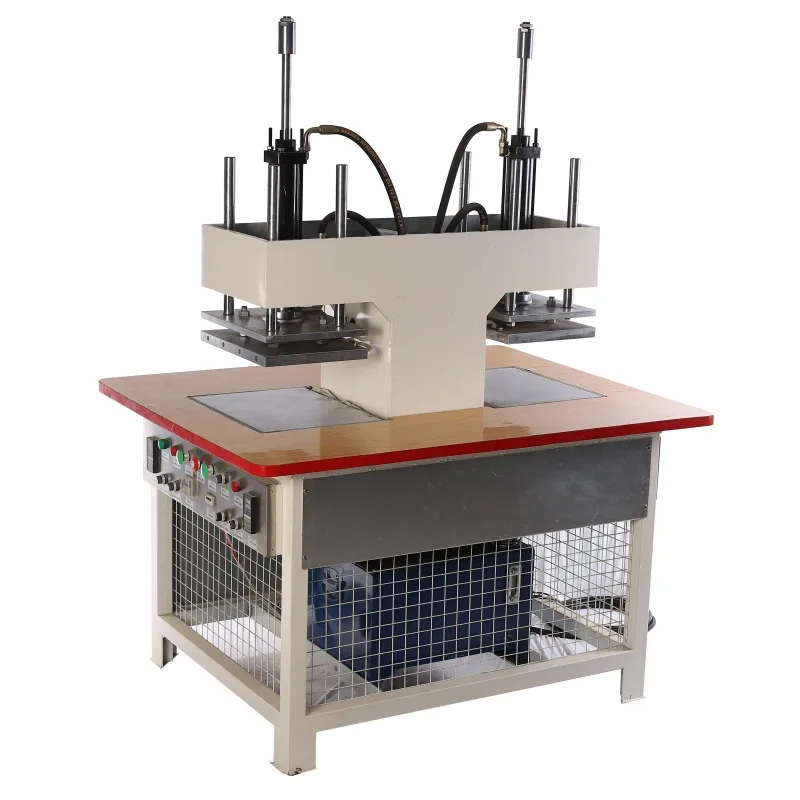
The press on a 15kW machine is typically hydraulic with 8 to 15 tons of clamping force. The frame is heavy and rigid to maintain platen parallelism under high load. Automation features such as shuttle tables, rotary indexing, and robotic part handling are common at this power level. The machine is designed for continuous production in demanding environments.
Special Factors That Influence Power Selection
Several product and process characteristics shift the power requirement away from the simple area-based calculation.
Multi-layer assemblies demand more power than two-layer welds of the same area. Three or four layers of film increase the thermal mass that must be heated. The power demand grows roughly proportionally with the number of layers.
Products with metal inserts, foil layers, or conductive coatings alter RF field distribution unpredictably. These applications require consultation with the machine manufacturer to determine the correct power level. Guessing often results in a machine that cannot weld the product.
High duty cycle operation requires derating. A machine rated for 15kW at 50% duty cycle may only deliver 12kW continuously. If the production plan calls for back-to-back cycles with minimal idle time, specify the machine for continuous duty at the required power level.
Decision Framework: Matching Your Product to the Right Power
Answer these questions in sequence. The answers point directly to the appropriate power band.
What is the total seal area per cycle, including all cavities in a multi-cavity die? Under 3,000 square millimeters suggests 5kW. Between 3,000 and 8,000 suggests 8kW. Over 8,000 suggests 15kW.
What is the material and its maximum thickness in the seal area? PVC under 1.0 millimeter stays with the area-based recommendation. PVC over 1.5 millimeters or any PU and TPU shifts the recommendation up one power band. Reinforced PVC fabric over 1.5 millimeters requires 15kW minimum.
What cycle time is required to meet production targets? If the area-based recommendation meets the cycle time target, the choice is confirmed. If faster cycles are needed, move up one power band.
What is the expected growth over the next three years? A machine purchased for today’s largest product may limit tomorrow’s opportunities. A modest power margin for realistic growth is wise. A large margin for speculative growth is wasteful.
The Right Machine for the Right Work
A 5kW HF welding machine builds your small, precise products efficiently and economically. An 8kW high frequency welder handles the broad middle of commercial production with the versatility to run many different jobs. A 15kW RF welding machine powers through thick materials, large seals, and high-speed production that lesser machines cannot touch.
Each power band exists for a reason. Each solves a specific set of production problems. The right choice is the one that welds your product at the required speed with the smallest machine that can do the work reliably. That machine costs the least to buy, the least to run, and the least to maintain over its full service life. Your products, your materials, and your production targets define which power band that is.