 TEL +86-13923172919
Step-by-Step Guide: How to Use a High Frequency Welding Machine
Standard Operating Procedure for High Frequency Welding Machines
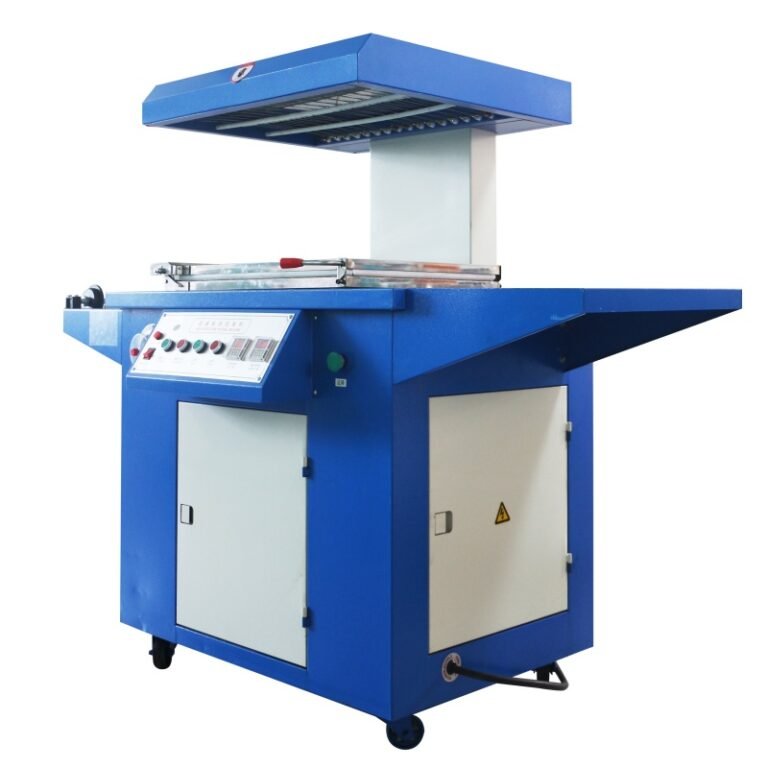
High frequency welder are widely utilized in industrial applications such as plastic welding, sealing, and heating, valued for their efficiency and precision. To ensure safe and effective operation, please follow this detailed step-by-step guide.
I. Preparatory Work
Safety Inspection:
- Ensure the machine power is switched off and the power plug is disconnected.
- Inspect the machine casing, switches, and cables for integrity. Repair any damage immediately.
Environmental Preparation:
- Ensure the working area is dry, clutter-free, and well-ventilated.
- Verify that the workbench is stable and the machine is securely positioned.
Material Preparation:
- Prepare the materials to be welded or sealed, ensuring they are clean and dry.
- Precisely cut materials to size according to product specifications.
Tool Preparation:
- Prepare all necessary auxiliary tools (e.g., fixtures, conductive tape) and ensure they are ready for use.
II. Machine Setup
Power Connection:
- Firmly plug the machine’s power cord into a suitable electrical socket.
Parameter Setting:
- Turn on the main power and access the control panel.
- Set the appropriate frequency, power, and time parameters based on the material type and thickness. Refer to the equipment manual for recommended values.
Test Run:
- Run the machine without load briefly to check for abnormal noises or overheating, confirming normal operation.
III. Operating Procedure
Material Placement:
- Position the material in the machine’s work area, aligning it correctly with the welding point.
- Secure the material using fixtures to prevent movement during heating.
Machine Start-Up:
- Initiate the high-frequency welding cycle by pressing the start button according to the preset parameters.
- Monitor the machine operation, ensuring the welding area heats evenly.
Welding Process:
- Do not touch the material or machine parts during operation to avoid burns.
- Adjust welding time as needed based on material fusion to prevent overheating or insufficient welding.
IV. Post-Operation Steps
Shutdown:
- Upon completion, press the stop button immediately to cut power.
- Allow the machine to cool completely before conducting any further operations.
Material Removal:
- Carefully remove the welded material, taking caution against hot surfaces.
- Inspect the weld quality. Record any issues by production batch for process improvement.
Workspace Cleanup:
- Clear the workbench and account for all tools and materials.
- Clean the exterior of the welding machine to maintain equipment condition.
Documentation & Feedback:
- Record any operational issues encountered for future reference.
- Collect feedback on welding quality and share insights with the relevant team.
V. Safety Precautions
- Always wear appropriate personal protective equipment (PPE), including safety gloves and goggles, during operation.
- Never perform maintenance or adjustments while the machine is running.
- Conduct regular maintenance and servicing to ensure the machine’s long-term reliability and performance.
By adhering to the above procedure, you can operate the high frequency welding machine both safely and effectively, achieving high-quality plastic welding or sealing results.