 TEL +86-13923172919
High Frequency Welding Machine for Medical Bags: What You Need to Know Before You Buy
Medical bag production demands absolute precision. Whether you manufacture blood bags, IV bags, or ostomy pouches, the seal integrity determines patient safety. High-frequency (HF) technology provides the most reliable method for these critical applications.
This guide covers the essential factors for choosing a high frequency welding machine for medical bags.
1. Meeting Strict Medical Production Standards
Medical bags must withstand sterilization and high pressure. Traditional heat sealing often fails to provide the necessary molecular bond.
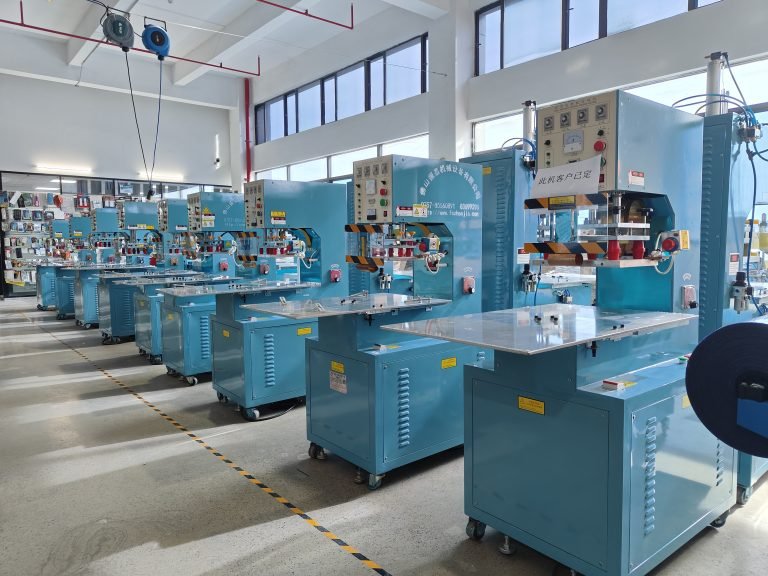
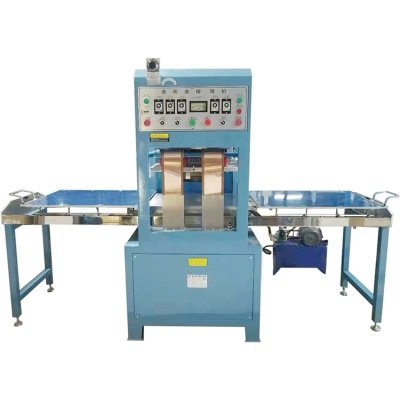
A dedicated IV bag welding machine uses electromagnetic energy to heat the material from the inside out. This process creates a seamless, leak-proof joint. High-quality machines, such as the Shuttle HF Welding Machine, offer the stability required for 24/7 cleanroom operations.
2. Medical Grade PVC Welding Compatibility
Most medical bags use medical-grade PVC or EVA. These materials respond perfectly to radio frequency energy.
When performing medical grade PVC welding, the machine must maintain stable power output. Fluctuations in frequency can cause “arcs” or weak spots. Look for machines equipped with high-sensitivity anti-spark systems. These systems protect your expensive brass molds and ensure every seal meets safety protocols.
3. Precision Parameter Control
Accuracy is non-negotiable in the medical sector. Your HF welder for blood bags must allow for granular control over:
- Pressure levels: Consistent pressure ensures uniform wall thickness.
- Welding time: Precise cycles prevent material degradation.
- Cooling time: Controlled cooling stabilizes the seal before the mold releases.
Modern High Frequency PVC IV Bag Welding Machines often feature PLC touchscreens. These allow operators to save specific “recipes” for different bag sizes or material thicknesses.
4. Regulatory Compliance: FDA and CE
You cannot export medical equipment without the right documentation. Ensure your supplier provides an RF welding machine CE certification.
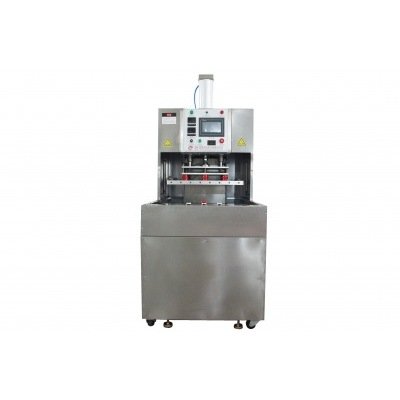
CE certification proves the machine meets European safety, health, and environmental requirements. Additionally, the machine design should support ISO 13485 standards. Stainless steel frames and easy-to-clean surfaces are essential for maintaining cleanroom classifications.
5. Choosing the Right Machine Configuration
The right setup depends on your production volume:
| Machine Type | Best For | Key Advantage |
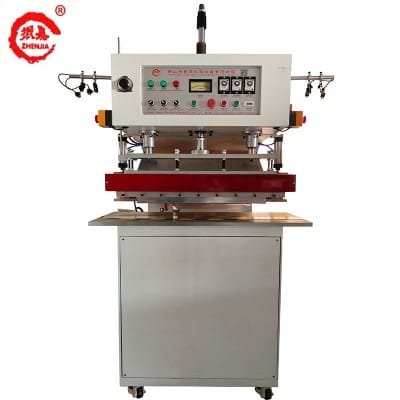
| Shuttle HF Welder | Large IV bags / Blood bags | Dual stations increase output. |
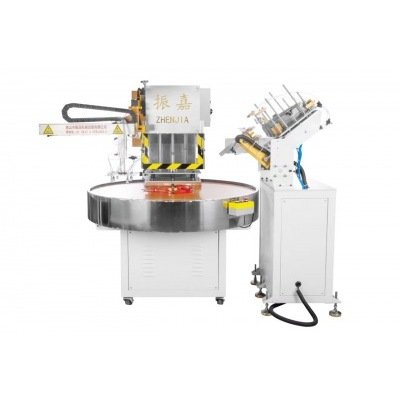
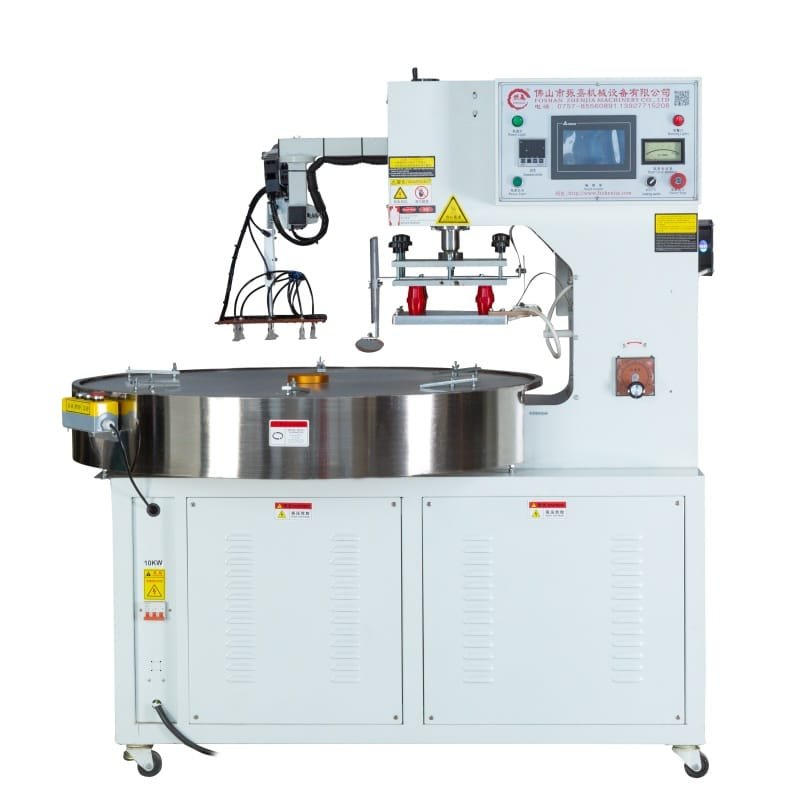
| Automated Rotary HF | High-volume ostomy bags | Minimizes manual handling. |
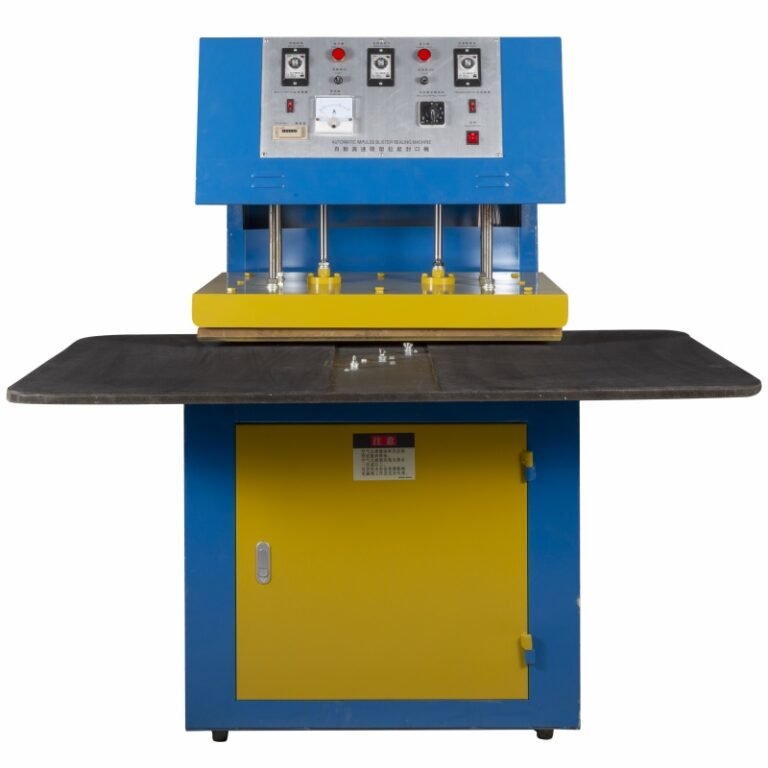
| Manual HF Welder | R&D and small batches | Cost-effective and flexible. |
Summary: The Buyer’s Checklist
Before you finalize your purchase, verify these three points:
- Does the machine have an automatic spark suppressor? This prevents material waste.
- Is the power output stable? Consistent RF output is vital for medical grade PVC welding.
- Is it easy to validate? Ensure the machine supports data logging for quality control audits.
Investing in a specialized high frequency welding machine for medical bags protects your reputation and ensures every product is shelf-ready.
How many units are you planning to produce per shift? Knowing your volume will help determine if a shuttle or rotary system is the better investment.